Waking up with a stiff, sore neck is a common problem for many. A long day at the office, hours of studying or simply the wrong sleeping position can lead to persistent neck complaints. A good pillow isn't a luxury; it's a crucial factor for a restorative night's sleep.
As a Joybuy Product Recommendation Officer, I'm here to provide you with objective and practical information. In this article, we'll discuss what to look for when choosing an ergonomic pillow and highlight some popular choices to help you find a pillow that suits your sleeping habits.
What to Look for When Buying a Pillow for Neck Pain
The pillow market is vast. To help you make your choice, here are a few key points based on product specifications.
1. The Material: Memory Foam vs. Latex
A pillow's material determines its support and comfort. Two common materials in ergonomic pillows are memory foam and latex.
- Memory Foam Pillow: Originally developed by NASA, this material reacts to your body heat and weight. It moulds precisely to the contours of your head and neck, ensuring even pressure distribution. This can help keep the spine in a neutral position. A memory foam pillow often feels firm at first but softens with your body heat.
- Latex: Latex pillows are known for their resilience and durability. They offer consistent support without sinking in completely. Latex is naturally hypoallergenic and has an open-cell structure, which provides excellent ventilation. This can be a benefit for those who tend to sleep hot.
2. The Shape: Contour, Butterfly, or Traditional?
Ergonomic pillows come in various shapes, each designed for specific sleeping positions.
- Cervical Pillow (Contour Shape): This type of pillow often has a wavy shape with two different heights. The higher edge is meant to support the curve of your neck, while your head rests in the dip in the middle. This design, also known as an orthopaedic pillow, is especially suitable for back and side sleepers.
- Butterfly Shape: A pillow with a butterfly shape has cut-outs on the sides. This gives your arms a place to rest, which can be comfortable for side and stomach sleepers.
- Traditional Shape: Some ergonomic pillows have a traditional rectangular shape but are made from supportive materials like memory foam. These are a good transitional option for those getting used to a contoured pillow.
3. The Height and Firmness
The right height is crucial and depends on your sleeping position and body type. For example, a pillow for side sleepers should be higher and firmer to fill the space between your shoulder and head. Back sleepers typically need a thinner pillow to prevent the neck from bending too far forward. Stomach sleepers require the least support and are best off with a very thin, soft pillow, or even no pillow at all.
Popular Product Choices
Based on the criteria above, we have selected a few products that stand out for their specifications and design.
JORDAN&JUDY Butterfly Shaped Memory Pillow
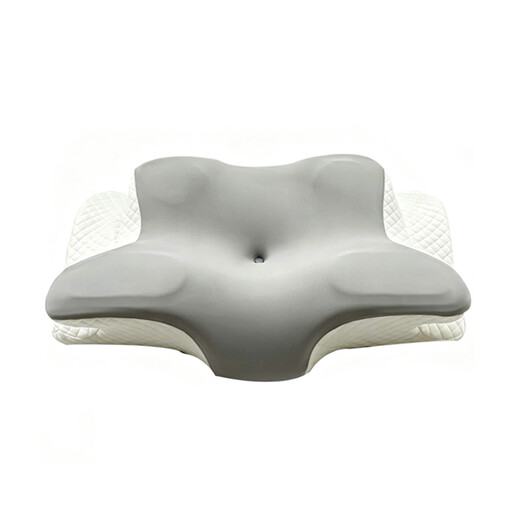
- Why it stands out: The unique butterfly shape is designed to adapt to various sleeping positions. The cut-outs on the sides provide space for the arms, which can be particularly comfortable for side sleepers.
- Benefits:
- Made from slow-rebound memory foam that moulds to your head and neck.
- The ergonomic shape supports the natural curvature of the neck.
- Suitable for both back and side sleepers thanks to its versatile shape.
- Who is it for? For sleepers who frequently change position during the night and are looking for a pillow that adapts flexibly.
View product details
JORDAN&JUDY Latex Pillow with Pillowcase
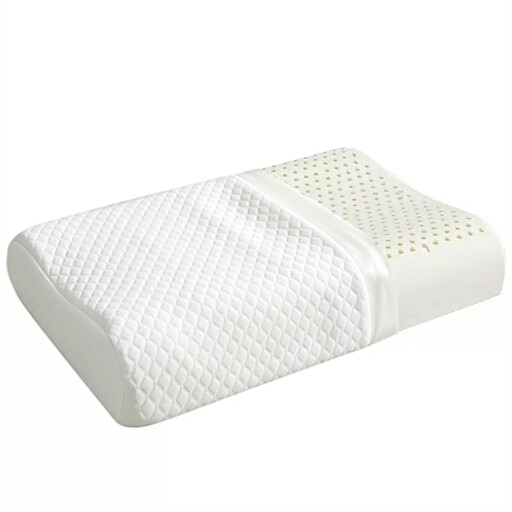
- Why it stands out: This pillow is made of latex, which provides high resilience. Unlike memory foam, which sinks in, latex offers more responsive counter-pressure for consistent support.
- Benefits:
- High resilience for stable neck support.
- Latex is known for its excellent ventilation, which helps keep the pillow cool.
- Comes with a matching pillowcase.
- Who is it for? For people who prefer a resilient and responsive pillow over the 'sinking' feeling of memory foam, and for sleepers who tend to get hot.
View product details
Lebensoir Ergonomic Neck Support Pillow
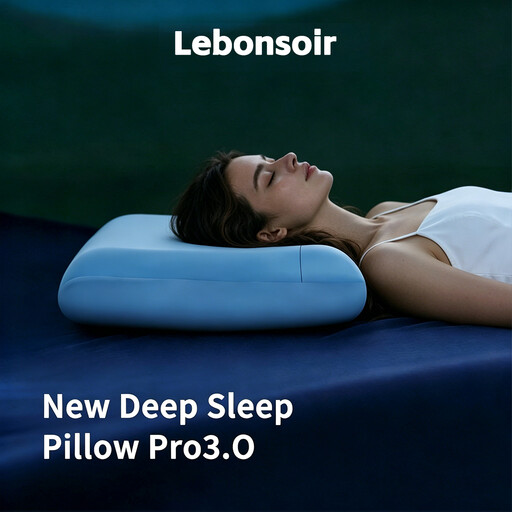
- Why it stands out: This pillow features an advanced three-layer foam construction. The top layer is soft memory foam, the middle layer provides support to prevent sinking too deeply, and the bottom layer ensures a stable base.
- Benefits:
- The cervical contour is designed to follow the natural curve of the neck and shoulders.
- Suitable for all sleeping positions: side, back and stomach sleepers.
- The pillowcase is breathable and moisture-wicking, contributing to comfort throughout the night.
- Who is it for? For sleepers looking for a pillow with specific, layered support that combines both softness and firmness. Ideal for those who need targeted support for the neck and shoulders.
View product details
Haven't Found What You're Looking For?
A pillow is a personal choice. If the options above don't quite match what you're looking for, or if you're curious about other possibilities for a comfortable night's sleep, we invite you to explore our wider range.
Browse more personal items and accessories
Frequently Asked Questions
What is the difference between a regular pillow and an ergonomic pillow?
A regular pillow is usually filled with down, feathers or synthetic fibres and has a uniform shape. An ergonomic pillow is specifically designed to support the neck and spine in a natural, neutral posture. This is achieved through a specific shape (like a contour or butterfly shape) and materials such as memory foam or latex.
How long does it take to get used to a memory foam pillow?
It can take some time for your body to adjust to the new support of a memory foam pillow, especially if you previously slept on a soft, traditional pillow. Most people need an adjustment period of a few days to two weeks. Initially, the pillow may feel a bit stiff, but it will soften with your body heat.
Is a firmer pillow better for neck pain?
Not necessarily. The ideal firmness depends on your sleeping position and personal preference. A pillow should be firm enough to support your neck but also soft enough to be comfortable. A pillow that is too firm can create pressure points, while one that is too soft offers insufficient support. It's all about finding the right balance of comfort and support for your body.


