
Vandaag of morgen in huis

Kwaliteit gegarandeerd

Welkomstaanbiedingen ontgrendelen: GRATIS bezorging | Tot 80% korting | Gratis 30 dagen JoyPlus-proefperiode
Download de app
Dark spots, an uneven complexion and a dull appearance can have various causes, including sun exposure, post-blemish marks or natural changes in the skin. A serum for pigmentation can be a targeted step in your skincare routine, but not every brightening serum is suitable for every skin type.
As a Joybuy Product Recommendation Officer, I assess product information based on ingredients, directions for use and skin type. This makes it easier to identify which properties can be verified and which marketing claims should be treated with a degree of caution.
Phrases such as “visible results instantly”, “clinically inspired” or “radiant from the first use” sound appealing. However, they reveal little about whether a product is suitable for your skin. Based on a brand’s own research or communications, such claims may refer to a limited group of users, a short testing period or an in-house assessment method.
Pay particular attention to:
A serum for hyperpigmentation is a cosmetic product. It does not treat a medical skin condition.
Combining a vitamin C serum with AHA, BHA, retinol and several high-strength serums can make the skin feel uncomfortable. This is particularly true for sensitive or blemish-prone skin, which generally benefits from a gradual approach.
Start with one main product and use it as directed on the label. Only introduce a second active ingredient later, once you know your skin tolerates the first one well.
Dark spots can become more noticeable as a result of UV exposure. That is why many product descriptions recommend applying sun protection during the day. This advice is especially relevant for formulas containing vitamin C, AHA or retinol. A serum is not a substitute for sunscreen.
Always check the current packaging. Product information and ingredients may change.
A watery formula generally absorbs quickly and can sit comfortably beneath a day cream or makeup. A gel texture, such as that of AXIS-Y Dark Spot Correcting Glow Serum, may suit anyone looking for a lightweight, non-greasy finish. A richer formula may be a better choice for dry skin.
Also consider the volume: a 30 ml bottle and a 50 or 100 ml pack are not directly comparable. Look at the number of drops used per application and the product’s shelf life after opening.
Begin with a patch test in accordance with the product instructions. If a new serum contains active ingredients, apply it every other day at first. Discontinue use if persistent redness, itching, swelling or a burning sensation occurs, and consult a doctor or dermatologist if you are unsure what to do.
Retinol products, such as ANUA Retinol 0.3% + Niacin Renewing Serum, require additional care. Retinol is best used in the evening, introduced gradually and paired with sun protection during the day. If you are pregnant or breastfeeding, consult a healthcare professional first.
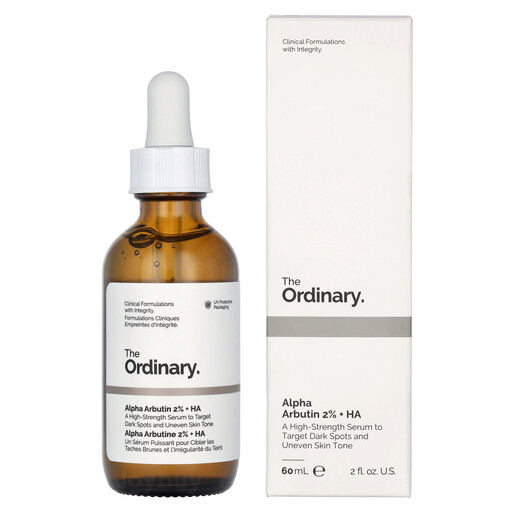
Why it may suit you: A straightforward option for anyone adding a serum for dark spots to their daily routine for the first time.
The product information clearly states a 2% concentration of alpha-arbutin and a water-based formula, without a complex blend of exfoliating acids.
A 60 ml format, hyaluronic acid and, according to the product information, suitability for all skin types, including sensitive skin.
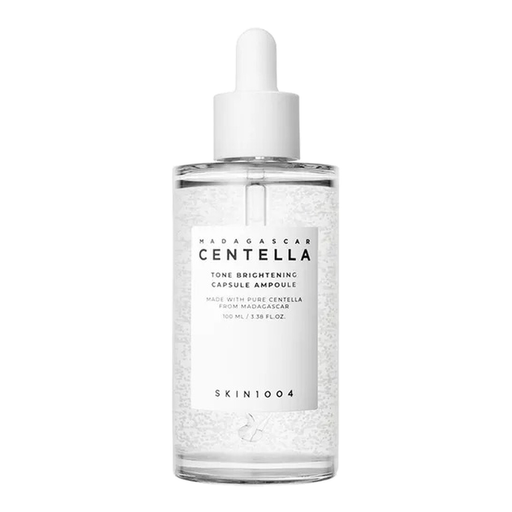
Why it may suit you: For anyone looking for a generous format, a lightweight ampoule texture and multiple skin-conditioning ingredients.
The ingredients list is clearly stated, and the formula combines niacinamide, tranexamic acid, centella and a vitamin C derivative, among other ingredients.
A 100 ml format and, according to the description, a fast-absorbing formula that can be applied beneath a moisturiser.
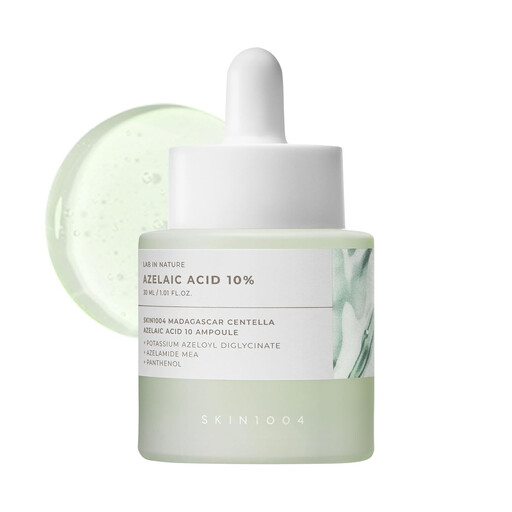
Why it may suit you: A targeted option for anyone who wants to factor visible blemishes, redness and oilier, blemish-prone skin into their choice.
The product description explicitly states that the formula is niacinamide-free, which is useful for anyone wishing to avoid this ingredient.
10% azelaic acid according to the product name, alongside centella asiatica and directions that recommend a gradual introduction.
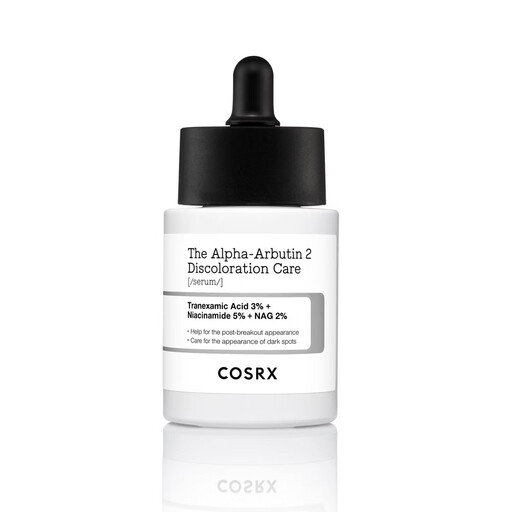
Why it may suit you: For users specifically looking for an alpha-arbutin serum to apply either to individual areas or across the entire face.
The formula lists 2% pure alpha-arbutin and glycerine, so you do not have to rely solely on a broad term such as “glow”.
A 50 ml format and straightforward directions: apply two to three drops in the morning and evening.
Browse a current selection of serums for dark spots and compare ingredients, skin types, volume and directions for use.
This depends on the volume and the number of drops used per application. With daily use, a 30 ml bottle will generally last less time than a 50, 60 or 100 ml format. Also check the product’s shelf life after opening and store the serum according to the label.
Some formulas are intended for daily use according to the product description. When using retinol, AHA, BHA, spicules or a concentrated vitamin C serum, it is wiser to introduce the product gradually. Always follow the directions for use and stop if irritation occurs.
Look for a short, easy-to-understand ingredients list and initially avoid using several exfoliating ingredients at once. Products such as The Ordinary Alpha Arbutin 2% + HA, Beauty of Joseon Glow Deep Serum or a niacinamide-free formula may be worth considering, but every skin type reacts differently. A patch test remains advisable.
