
Livraison le jour même et le lendemain

Qualité garantie

Débloquez vos offres de bienvenue: Livraison GRATUITE | Jusqu'à -80 % | 30 jours d'essai gratuits à JoyPlus
Téléchargez l'application
Buying a new frying pan seems simple, until you read the packaging. Terms like "healthy," "eco," and "lasts forever" are thrown at you from all directions. Especially now, with the growing demand for PFAS-free frying pans, manufacturers are cleverly capitalizing on the trend. Unfortunately, this often leads to disappointment.
As a Product Recommendation Officer at Joybuy, I see where things go wrong every day. Many pans end up in the trash after just a few months. Let's go over the most common pitfalls so your next pan becomes a long-term investment.
To avoid a bad purchase, it's important to look beyond the marketing. Pay attention to the following objective specifications that determine the quality and lifespan of your pan.
A pan without PFAS doesn't automatically mean you have to choose a ceramic frying pan. There are multiple options, each with its own pros and cons.
For those who cook on induction, the base of the pan is the most critical component. An induction frying pan needs a base that is magnetic and perfectly flat.
Based on product specifications and use cases, we have selected a number of pans that suit different home cooks.
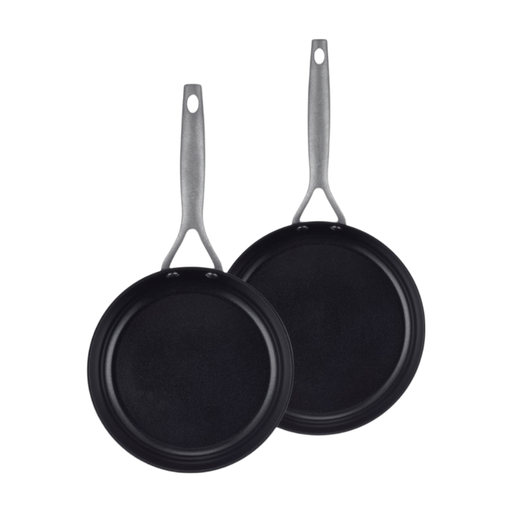
Why This Fits Their Persona: Ideal for those seeking a reliable foundation without paying top dollar. This set offers two common sizes for daily use, from frying an egg to preparing a meal for two.
The pans are made of forged aluminum, which provides a sturdy and stable base that performs well on induction. The PFAS-free ceramic coating from a well-known brand like Brabantia offers more assurance of a reasonable lifespan than a no-name alternative.
Made from 100% recycled aluminum (RCS-certified). Suitable for all heat sources, including induction and oven (up to 200°C).
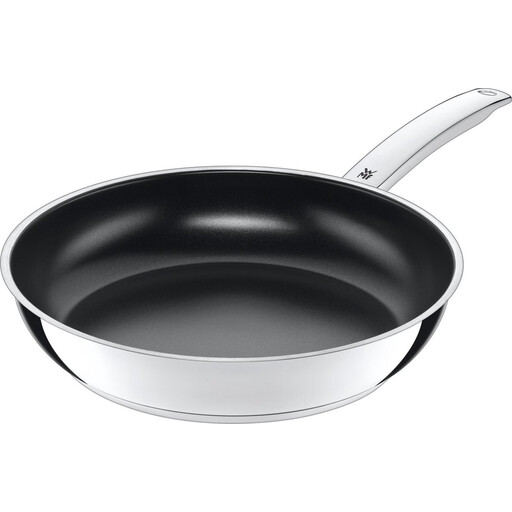
Why This Fits Their Persona: For those who invest in cookware that lasts for years. This pan is built for performance, from flipping a pancake to searing a steak at high temperature.
The Cromargan 18/10 stainless steel construction is extremely robust and retains its shape, preventing warping on induction. The pan can withstand very high temperatures (up to 400°C on the stovetop), indicating high-quality construction and a durable ceramic coating.
Suitable for extremely high temperatures and can go directly from the stovetop into the oven (up to 250°C). The wide rim allows for drip-free pouring of liquids.
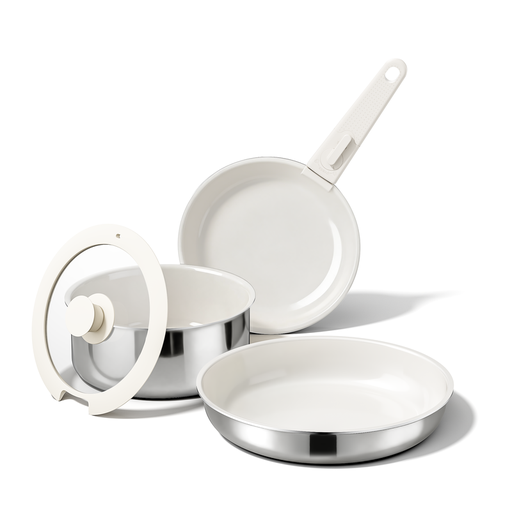
Why This Fits Their Persona: Perfect for those cooking in a small kitchen, studio, RV, or boat. This set solves the biggest problem: storage space. The pans can be stacked compactly.
This set combines a smart design with solid specifications. The three-layer stainless steel construction ensures a solid, induction-compatible base. The detachable handle isn't a gimmick but a functional solution to a common problem.
The detachable handle saves up to 70% of cabinet space, according to the manufacturer. The complete PFAS-free induction cookware set is suitable for all heat sources and the oven (up to 250°C).
We have compiled a complete, up-to-date list of products that meet these strict selection criteria and relevant safety regulations.
The lifespan heavily depends on the material and maintenance. A stainless steel pan without a coating can last a lifetime with proper care. A ceramic frying pan has a more limited lifespan; with daily use and proper maintenance (hand washing, no metal utensils), you can expect it to last several years. The quality of the coating is the most important factor here.
Not necessarily. It's a trade-off. A ceramic pan offers immediate convenience with good non-stick properties. A stainless steel or cast iron pan requires more cooking skill but is often more durable in the long run and more resistant to high temperatures and metal utensils. The choice depends on what you cook and how much you value convenience versus durability.
