
Vandaag of morgen in huis

Kwaliteit gegarandeerd

Welkomstaanbiedingen ontgrendelen: GRATIS bezorging | Tot 80% korting | Gratis 30 dagen JoyPlus-proefperiode
Download de app
Whether you're looking for a quick post-workout bite, a nutritious pick-me-up, or just something delicious with that unmistakable peanut flavour, the range of peanut snacks is enormous. But how do you separate the best from the rest? Many products seem healthier than they are or simply don't live up to expectations. Let's look at the most common pitfalls so you can make a choice that truly benefits you.
Pitfall 1: The "Healthy" Packaging Full of Hidden Sugars Packaging with terms like "natural" or "source of fibre" can make a product seem healthier than it is. Many so-called healthy peanut snacks contain a significant amount of added sugars or syrups. This quickly turns a potentially nutritious snack into a glorified candy bar.
Pitfall 2: The Protein Claim Without Context A peanut protein bar with "20 grams of protein" sounds impressive, but it doesn't tell the whole story. Often, these high protein levels are accompanied by a lot of sugar or sugar alcohols (polyols), which can cause digestive issues if consumed in excess. The focus on a single number distracts from the overall nutritional balance.
To avoid coming home with a purchase you'll regret, there are a few concrete specifications you can easily check on the packaging.
The most important information is often in small print on the back. In the nutritional value table, look for the line "of which sugars". This number indicates how much of the carbohydrates are pure sugars. A sugar-free peanut snack should ideally contain little to no added sugar. Also, check the ingredient list: if sugar, glucose syrup, or fructose syrup is listed near the top, the product is likely sweeter than you think. A shorter list with recognisable ingredients is often a good sign.
For a peanut chocolate protein bar intended for post-workout recovery, a high protein content is desirable. Check where the protein comes from: milk protein, soy protein, or nuts are common sources. Fibre contributes to a feeling of fullness. Products like peanut butter granola or bars with whole grains and nuts naturally contain more fibre.
Determine what you want to use the snack for. A ready-to-eat chicken satay is a meal component and has a very different composition than a light peanut chocolate bar for a coffee break. A vegetarian satay can be an excellent alternative, but here too, check the sauce for sugar and salt content. Tailor your choice to the occasion.
To help you get started, we've highlighted a few products that fit specific needs and situations.
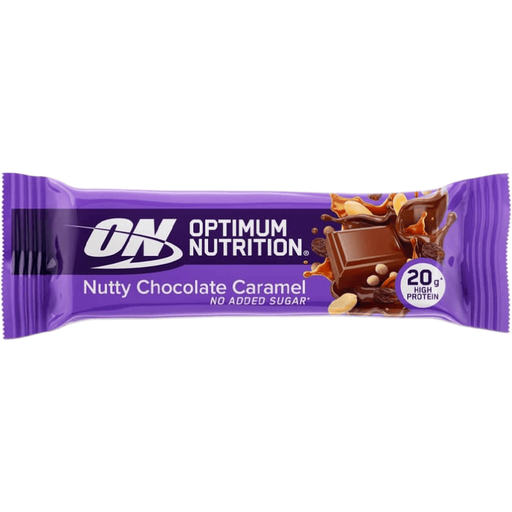
Why This Fits Their Persona: This bar is designed for active individuals looking to replenish their protein intake after a workout. The combination of peanut, caramel, and chocolate provides a flavourful reward.
The bar delivers a substantial 20 grams of protein per serving, but does so without added sugars. This helps you avoid the pitfall of a protein bar that's actually a sugar bomb.
Contains 20g of protein per bar. No added sugars (contains naturally occurring sugars). Suitable for vegetarians.
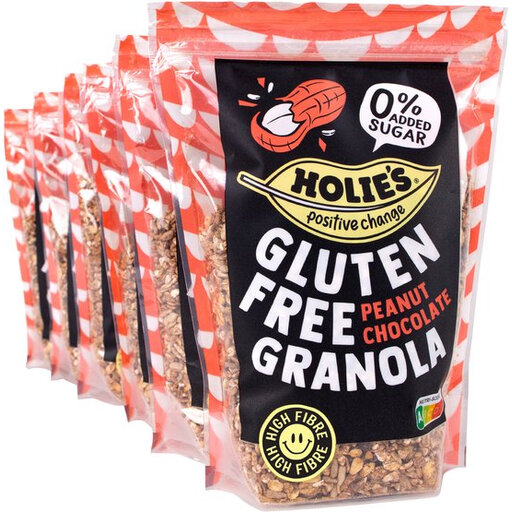
Why This Fits Their Persona: Perfect for those who want to start their day with a crunchy, flavourful, and nutritious base. This peanut butter granola is a great start for the health-conscious eater.
Many granolas are high in sugar. Holie's addresses this by adding no sugar and sweetening with natural ingredients. The ingredient list is transparent and based on whole-grain oats and nuts.
Gluten-free, 0% added sugar. High in fibre (14g per 100g) and a good source of protein (15g per 100g).
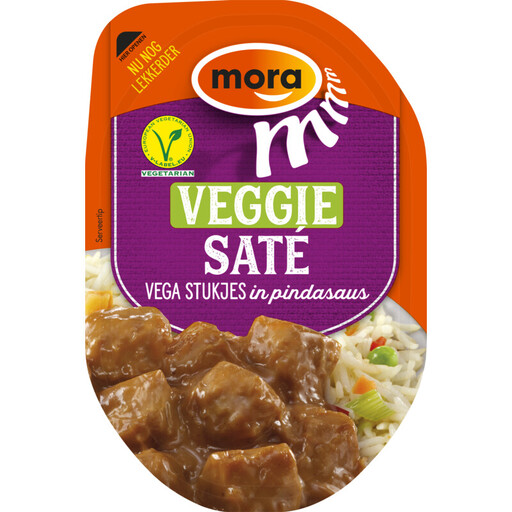
Why This Fits Their Persona: For anyone looking for a quick and flavourful vegetarian meal component. Ideal with fries, rice, or on a sandwich for a complete and convenient meal.
This product is clearly positioned for convenience. It makes no exaggerated health claims, instead offering a transparent vegetarian satay option with a familiar taste.
Quick to prepare in the microwave, pan, or bain-marie. A good source of protein (12g per 100g) for a vegetarian product.
We've compiled a complete, up-to-date list of products that meet our strict selection criteria.
The quickest way is to check the nutritional information on the back. Look for the "of which sugars" line per 100 grams. A low value (ideally under 5-10 grams, depending on the product type) indicates low sugar. Also, check the ingredient list for sugar, syrup, or other sweeteners at the beginning of the list.
Generally, no. Protein bars are designed as a supplement or a convenient snack, especially around workouts. They often lack the broad range of nutrients (vitamins, minerals, complex carbohydrates) that a complete meal provides. See them as a complement to a balanced diet, not a replacement.
The main difference is the base of the "meat". Ready-to-eat chicken satay uses chicken meat. In vegetarian satay, the pieces are made from plant-based proteins, often based on soy or wheat. The peanut sauce is the key flavouring in both cases, although the recipe can vary by brand.
