
Vandaag of morgen in huis

Kwaliteit gegarandeerd

Welkomstaanbiedingen ontgrendelen: GRATIS bezorging | Tot 80% korting | Gratis 30 dagen JoyPlus-proefperiode
Download de app
A good pasta sauce can transform a quick weeknight meal into a special treat. But the ready-made sauce aisle can be overwhelming. Jars and bottles vie for your attention with promises of "authentic Italian flavour" and "100% natural ingredients." How do you know which jar is worth your money and which you should leave on the shelf?
As a Joybuy Product Recommendation Officer, I'm here to help you cut through the marketing claims. We'll look at what's really inside the jar, so you can make a choice that fits your taste, budget, and lifestyle. Let's examine the most common pitfalls.
Before you put a jar of pasta sauce in your basket, it's wise to be aware of a few common deceptions.
To avoid the pitfalls, you just need to know what to look for. With these three key points, you can make an informed choice.
The foundation of any good pasta sauce is the tomato. Its quality and quantity are decisive for the taste and texture.
The nutritional information table is your best friend. Pay close attention to the amount of sugars and salt per 100 grams.
A good sugo doesn't need much. A short, recognisable ingredient list is often a sign of quality. Ideally, you'll see: tomatoes, olive oil, onion, garlic, salt, and perhaps some herbs like basil or oregano. Be wary of unnecessary additives such as:
Based on these criteria, we have selected a number of products that suit different needs and cooking styles.

Why This Fits Their Persona: This large jar is ideal for families. The sauce is a versatile base for pasta, lasagna, or even stews. The flavour is rich and approachable, making it a hit with most people.
Tackles the 'watery disappointment' pitfall. According to Heinz, 160 grams of tomatoes are used per 100 grams of sauce, ensuring a thick, concentrated texture.
The flavour base comes from garlic and onions slow-cooked in oil for 2.5 hours. Has a Nutri-Score A and is gluten-free.
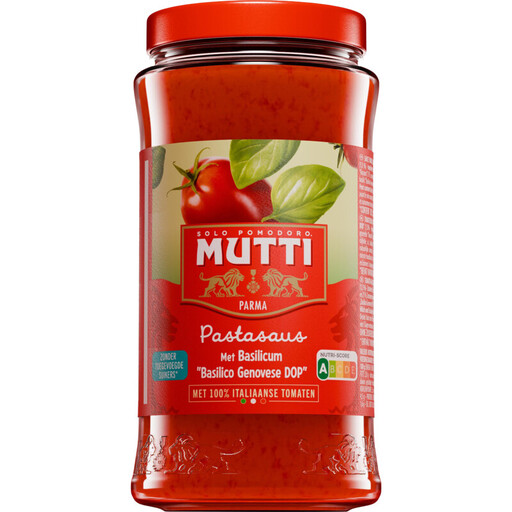
Why This Fits Their Persona: For those seeking pure, Italian flavour. This product focuses on the quality of its ingredients, with 100% Italian tomatoes and a specific, protected variety of basil.
Moves beyond the 'Italian illusion' by specifying that it contains 'Basilico Genovese PDO', a basil with a Protected Designation of Origin.
Made with a high percentage of tomato pulp (60%) and passata (21%). According to Mutti, the tomatoes are processed within 24 hours of harvesting.
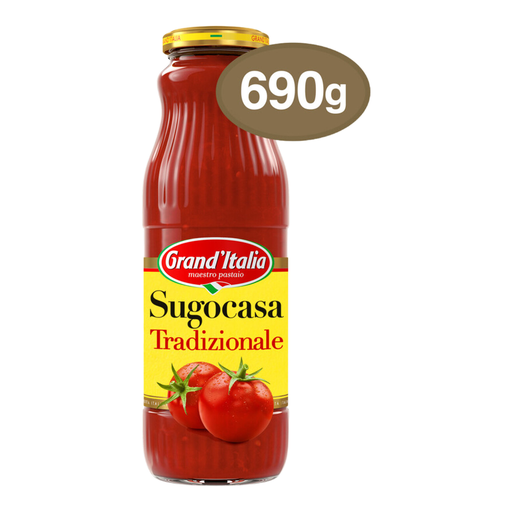
Why This Fits Their Persona: This sauce focuses on pure and simple ingredients. It is suitable for a vegan and gluten-free diet and has a low sugar and fat content, making it a conscious choice.
Tackles the 'sugar trap' by explicitly stating the product is naturally low in sugar (2.3g per 100g) and contains no fat. No hidden unhealthy additives.
Made with 100% natural ingredients and with no preservatives. A pure base that you can season further yourself.
We have compiled a complete, up-to-date list of products that meet these selection criteria and current regulations.
1. How long can I store an opened jar of pasta sauce? Once opened, a jar of pasta sauce can typically be stored for 3 to 5 days in the refrigerator. Make sure to seal the jar tightly. To extend its shelf life, use a clean spoon to scoop out the sauce and avoid direct contact with other foods.
2. What is the difference between passata and sugo?Passata is the purest form: it is just strained tomatoes, without skins or seeds. It's a smooth base sauce for pasta. Sugo is the Italian word for sauce and usually refers to a prepared sauce that has already been reduced and seasoned with ingredients like onion, garlic, herbs, or vegetables.
3. Can I use a ready-made pasta sauce for lasagna? Absolutely. A ready-made pasta sauce is an excellent base for a quick lasagna. It's best to choose a thicker sauce or a concentrated tomato sauce (like a sugo or a polpa-based sauce) so your lasagna doesn't become too watery. You can also enrich the sauce yourself with extra vegetables or herbs.
