
Vandaag of morgen in huis

Kwaliteit gegarandeerd

Welkomstaanbiedingen ontgrendelen: GRATIS bezorging | Tot 80% korting | Gratis 30 dagen JoyPlus-proefperiode
Download de app
A quality parasol is an essential accessory. Whether you're seeking shade in the garden, on your balcony, or need a compact umbrella for unexpected sun and rain on the go, the right choice makes all the difference. However, the market is flooded with models that look appealing but start to fail after just a few uses. Before you make a decision, it's crucial to understand the common pitfalls.
Many buyers fall into the same traps:
To avoid wasting your money, focus on a few verifiable specifications. These determine whether a parasol or umbrella will perform well and stand the test of time.
The UPF (Ultraviolet Protection Factor) rating indicates how much UV radiation the fabric blocks. For instance, a fabric with UPF 50+ blocks over 98% of UV rays. Some brands, like Beneunder, state that their products offer even higher protection thanks to special coatings. A quality UV umbrella is therefore not just for shade, but an important tool for skin health. Always look for a specific UPF rating in the product details.
The frame material is crucial. Aluminium and fibreglass are popular choices because they are both lightweight and strong. For a large parasol or cantilever parasol, a full aluminium frame with a sturdy pole and a sufficient number of ribs is a must. For a folding umbrella that you want to use as a windproof umbrella, a fibreglass-aluminium alloy frame provides the necessary flexibility and strength to resist inverting.
Consider your primary use case carefully. For a garden or patio, a large parasol measuring 3x3 or 3x4 metres is ideal. A cantilever parasol with a side pole offers maximum clear space underneath the canopy. Features like 360° rotation and tilt functionality are essential for creating all-day shade. For on-the-go use, a lightweight umbrella under 300 grams that folds compactly is the most practical choice.
Below are a few models that suit different user profiles, based on their specifications.
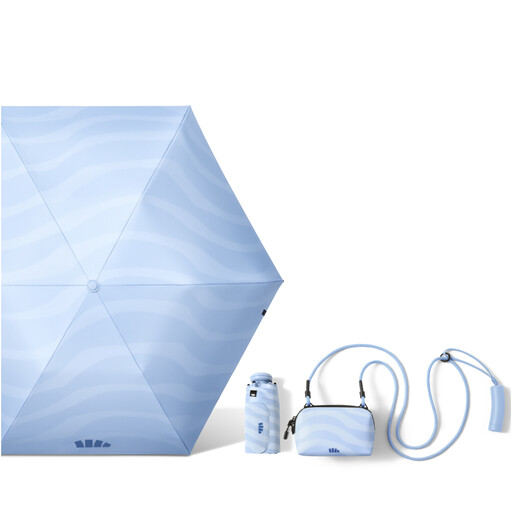
Why This Fits Their Persona: Ideal for daily commuters. This umbrella is extremely light and compact, fitting easily into a bag or coat pocket. It offers protection from both the sun and a sudden downpour.
This model bypasses the 'impractical design' trap. Weighing just 255 grams with a 6-fold design, it's built for portability. According to the manufacturer, its coating provides high UV protection, addressing the 'misleading claims' pitfall.
Ultra-lightweight (255 g) and highly compact. Comes with a convenient storage pouch with a shoulder strap.
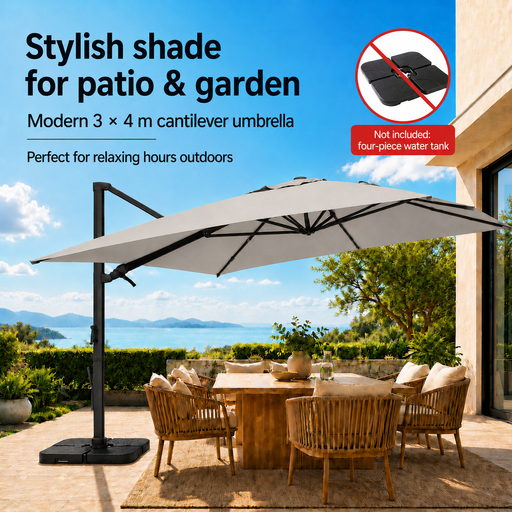
Why This Fits Their Persona: Perfect for creating a large, functional shaded area over a lounge set or dining table. The cantilever design keeps the pole out of the way, and its flexible adjustments provide all-day shade.
This model tackles the 'weak frame' pitfall with a full aluminium frame and 8 sturdy ribs. The 360° rotation and tilt functions make it far more practical than a static parasol, so you don't have to constantly move the entire base.
Large shade area (3x4 m) and 360° rotation. The 280 g/m? fabric is water-repellent and colourfast.
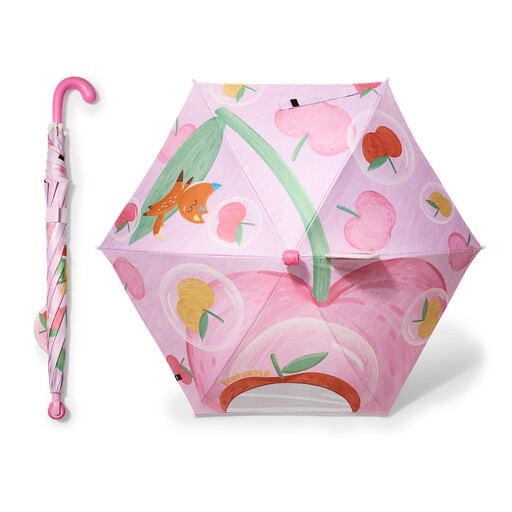
Why This Fits Their Persona: Safety and ease of use are paramount. This umbrella is specifically designed for children, with features that help prevent injury and make it easy and fun for them to use.
This design addresses the safety risks of standard umbrellas. It features rounded tips to prevent poking accidents and a mechanism that reduces the risk of pinched fingers. The high UPF 50+ rating (according to the manufacturer) offers serious protection, not an empty promise.
Child-safe design with rounded tips and finger protection. Features a transparent viewing window so the child can see their surroundings.
We have curated a complete, up-to-date list of products that fully meet these strict selection criteria and safety standards.
A cantilever parasol requires a heavy base to remain stable, especially in windy conditions. Most models come with a cross base but without the weights. As a general rule, a 3x3 metre parasol needs at least 80-100 kg of ballast. This can be achieved with special parasol base tiles, which you fill with sand or water. Always check the manufacturer's recommendations.
UPF stands for Ultraviolet Protection Factor and is similar to the SPF in sunscreen, but for fabrics. It indicates what fraction of UV radiation is blocked by the material. A fabric with UPF 50+ allows less than 1/50th (or 2%) of UV radiation to pass through. This is an objective measure of the protection that a UV umbrella provides.
Yes, most modern UV umbrellas are designed for dual use. They often feature a water-repellent coating, causing raindrops to slide right off. For example, the Beneunder models in our recommendations are all suitable for both sun and rain. After a downpour, always let the umbrella dry while open to keep the fabric and coating in good condition.
