
Vandaag of morgen in huis

Kwaliteit gegarandeerd

Welkomstaanbiedingen ontgrendelen: GRATIS bezorging | Tot 80% korting | Gratis 30 dagen JoyPlus-proefperiode
Download de app
A good parasol is an essential item. Whether you're seeking shade in the garden on a rare hot day or trying to stay dry during an unexpected downpour on the go. However, the market is flooded with options that promise more than they deliver. Before you invest in a new parasol, it's helpful to know the pitfalls so you can choose a model that will last longer than a single season.
As a Joybuy Product Recommendation Officer, I filter the information and help you make the right choice based on facts, not marketing hype.
Many parasols look great in the store or online but show defects after only a short period of use. Watch out for these common problems:
To avoid the pitfalls above, focus on a few verifiable specifications. These determine the durability and functionality of your parasol.
Sun protection is expressed as a UPF (Ultraviolet Protection Factor) value. A higher value means better protection. For a UV umbrella, a UPF of 50+ is a good benchmark. Brands like Beneunder use a special L.R.C coating that, according to their own specifications, claims to block over 99% of UV rays.
For a garden parasol, the fabric density is also important, expressed in grams per square meter (g/m?). A fabric of 250 g/m? or more is generally sturdier, more durable, and offers better protection than a lighter alternative. Also, look for coatings (like PU or PA) that make the fabric water-repellent.
The frame is the skeleton of your parasol and is crucial for its lifespan.
Think carefully about where you will use the parasol.
Below are some models that score well on the above specifications, matched to different user profiles.
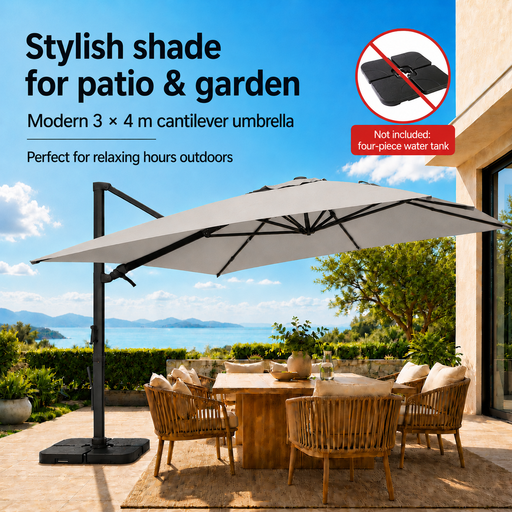
Why This Fits Their Persona: This user is looking for a large, durable, and flexible shade solution for a garden set or lounge area. The 3x4 meter size provides a generous shaded area, while the cantilever design keeps the space underneath clear.
The all-aluminium frame and the heavy-duty 280 g/m? fabric with a PA coating counter the pitfalls of a weak frame and a thin, non-protective canopy.
The 360° rotation function and tilt option allow you to adjust the shade throughout the day to follow the sun, without having to move the heavy base.
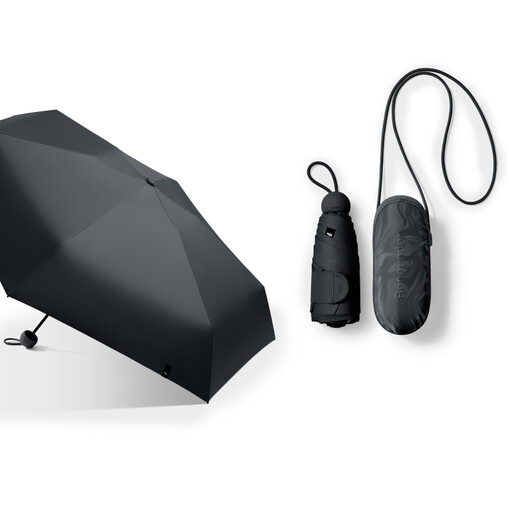
Why This Fits Their Persona: For those who travel daily by public transport or bicycle, a compact and lightweight umbrella is a must-have. This model is only 19 cm long when folded and fits effortlessly into a handbag or backpack.
This model is designed with practicality in mind, avoiding the pitfall of a clumsy design. Furthermore, its fibreglass-aluminium alloy frame is wind-resistant, which reduces the risk of a snapped frame.
Extremely compact (19 cm folded) and lightweight (approx. 248 g). The capsule storage case keeps your bag dry after a downpour. Suitable for both sun and rain.
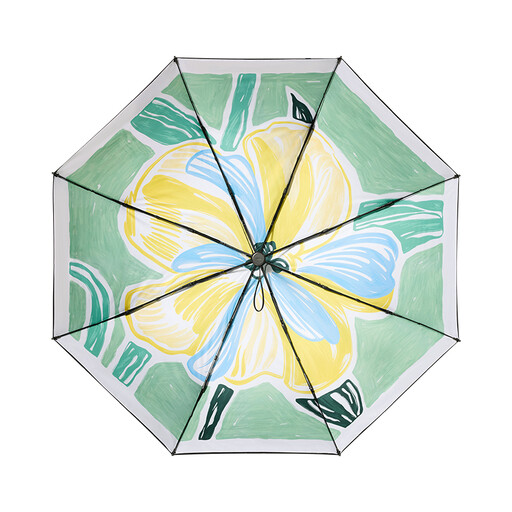
Why This Fits Their Persona: This person wants serious sun protection without compromising on style. The umbrella serves as a functional accessory. The elegant floral print on the inside makes it a fashionable choice.
This model tackles the pitfall of 'misleading UV protection'. According to the manufacturer, the dual-layer canopy with an L.R.C coating offers UPF 2000+ protection, which substantiates the claim of serious sun shielding.
According to the product description, the dual-layer construction not only provides sun protection but also delivers a cooling effect. The large 99 cm canopy offers full-body coverage.
We have compiled a complete, up-to-date list of products that fully meet these strict selection criteria and local regulations.
This depends on the size of the parasol and the wind exposure of the location. As a general rule, for a 3x3 meter cantilever parasol, you need at least 80-100 kg of ballast. This can be in the form of specialised paving slabs, sandbags, or a base fillable with water or sand. Always check the manufacturer's recommendations. The required weights are often sold separately.
A water-repellent fabric is treated with a coating (like PU or PA) that can handle light rain showers. The droplets roll off the fabric. However, during a prolonged or heavy downpour, water may eventually seep through. Waterproof material does not let water through, even under pressure. For most parasols, a good water-repellent quality is sufficient, as it's better to fold them down in severe weather anyway.
Simple maintenance can significantly extend the life of your parasol.
