
Vandaag of morgen in huis

Kwaliteit gegarandeerd

Welkomstaanbiedingen ontgrendelen: GRATIS bezorging | Tot 80% korting | Gratis 30 dagen JoyPlus-proefperiode
Download de app
Oyster sauce is an indispensable flavour enhancer in many Asian cuisines. This thick, dark sauce gives dishes a deep, savoury umami flavour that is hard to replicate. But anyone who has ever browsed the sauce aisle knows the selection can be overwhelming. From Thai to Chinese varieties and from small bottles to bulk containers, how do you know which one to choose?
Many home cooks make the wrong choice. They are swayed by an attractive label or a vague promise, resulting in a disappointing stir-fry. We've outlined the most common pitfalls so you know what to watch out for when buying oyster sauce.
To avoid a bad purchase, it's helpful to look at a few key specifications. These factors determine the flavour, texture, and suitability for your dishes.
This is perhaps the most important indicator of quality. The oyster extract percentage tells you how much of the sauce is actually derived from oysters. A higher percentage typically means a richer, deeper, and more authentic umami flavour. This percentage is often listed in the ingredients (sometimes as QUID, Quantitative Ingredient Declaration). Sauces with less than 5% extract often rely more heavily on sugar, salt, and other flavourings.
The origin provides a good indication of the flavour profile. Although there are always exceptions, a few general differences apply:
Always take a moment to scan the ingredients list.
Based on these criteria, we have selected several popular choices that suit different cooking styles and needs.
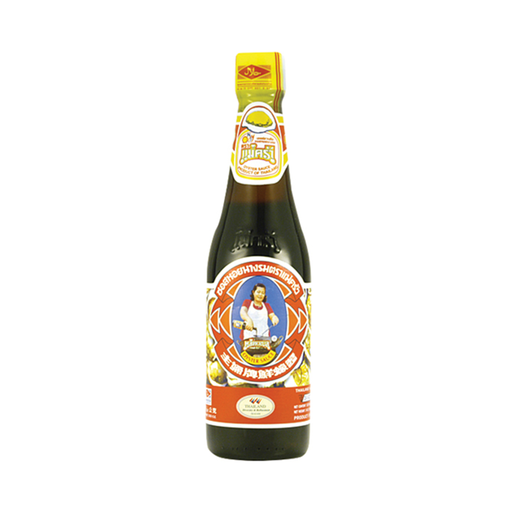
Why This Fits Their Persona: This classic Thai oyster sauce is a favourite in many kitchens for its deep, complex flavour. It is ideal for those seeking an authentic taste that isn't dominated by sweetness.
This sauce bypasses the "premium" pitfall by focusing on what truly matters: a high oyster extract percentage of 30%. The flavour speaks for itself.
Rich, savoury flavour from 30% oyster extract. An authentic choice for Thai dishes.
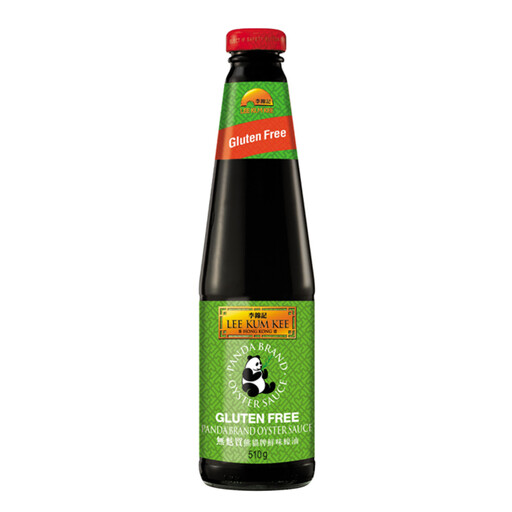
Why This Fits Their Persona: For anyone who avoids gluten but doesn't want to compromise on flavour, this is the ideal solution. This Chinese oyster sauce offers the familiar, balanced taste of Lee Kum Kee, but without wheat.
This product directly addresses the 'hidden ingredients' pitfall. The clear "Gluten-Free" label provides certainty and makes checking the ingredients list unnecessary.
Certified gluten-free. Offers the classic, versatile flavour of an Asian sauce for a wide audience.
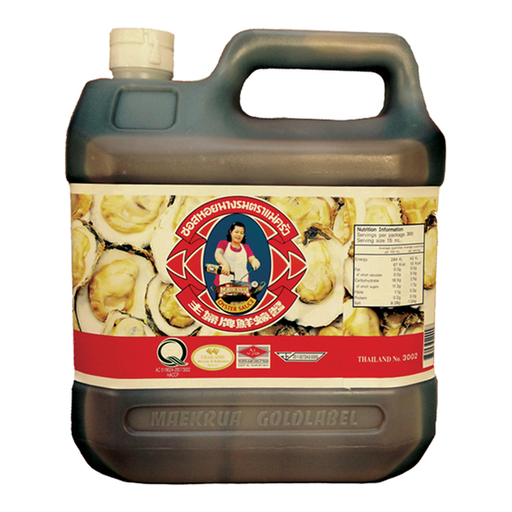
Why This Fits Their Persona: For restaurants, caterers, or large families who regularly cook Asian food, this bulk oyster sauce is a logical choice. It offers consistent quality and flavour in a cost-effective format.
This choice is purely functional and bypasses marketing. It's all about volume, consistency, and a reliable flavour for professional or intensive use, without the frills of a small consumer bottle.
Food service size of 4.5 litres for a favourable price per litre. Consistent and authentic Thai flavour.
We have compiled a complete, up-to-date list of products that meet these selection criteria and comply with current regulations.
Although both sauces add umami, they are very different. Oyster sauce is thick, dark, and has a salty-sweet, savoury flavour. It is made from reduced oyster extract. Fish sauce (nam pla in Thai) is thin, watery, and amber-coloured, made from fermented fish. It has a much saltier and more pronounced fishy taste. They are generally not interchangeable.
After opening, it's best to store a bottle of oyster sauce in the refrigerator. It will typically stay good for several months (often 3 to 6). Always check the smell and texture before use. If the sauce smells off or shows any signs of mould, discard it.
Both Thai and Chinese oyster sauce can be used as a stir-fry sauce. The choice depends on your personal preference. A thicker Chinese oyster sauce, like the one from Lee Kum Kee, clings well to ingredients and provides a nice glaze. A thinner Thai oyster sauce mixes more easily and imparts a more savoury flavour. For an all-around stir-fry sauce, a Chinese variety is often a safe bet.
