
Vandaag of morgen in huis

Kwaliteit gegarandeerd

Welkomstaanbiedingen ontgrendelen: GRATIS bezorging | Tot 80% korting | Gratis 30 dagen JoyPlus-proefperiode
Download de app
Grabbing a carton of orange juice off the shelf might seem simple. Yet, the sheer number of choices can be overwhelming. Should you go for a large 1.5-litre carton, an organic version, or a juice with no added sugar? The labels are packed with information, but what does it all really mean for you?
As a Joybuy Product Recommendation Officer, my job is to filter and present product information clearly. This guide is designed to help you understand the specifications, so you can choose an orange juice that fits your needs and budget.
Before you make a choice, it's helpful to know a few basic principles. This will help you better interpret labels and find a product that's right for you.
Many juices are made "from concentrate". This means that after the oranges are pressed, the water is extracted from the juice. This concentrated juice is easier and cheaper to transport. In the destination country, the exact same amount of water is added back. Juices that are not from concentrate are often labelled as "fresh juice" or "pure juice" and are bottled immediately after pressing. Both methods produce orange juice, but the production process and price can differ.
Many consumers specifically look for orange juice with no added sugar. It's important to know that oranges naturally contain fruit sugars. A juice "with no added sugar" still contains sugar, but only the sugars that are naturally present in the fruit. According to EU regulations, the claim "no added sugars" can only be used if no sugars or sweeteners have been added to the product. Always check the ingredients list and the nutrition facts table for the exact specifications.
An organic orange juice is made from oranges grown according to organic farming guidelines. This means, among other things, that no synthetic pesticides and artificial fertilizers are used. You often pay a bit more for this type of juice, a trade-off you can make based on personal preference.
Based on product specifications and various user needs, we have made a selection of popular choices.
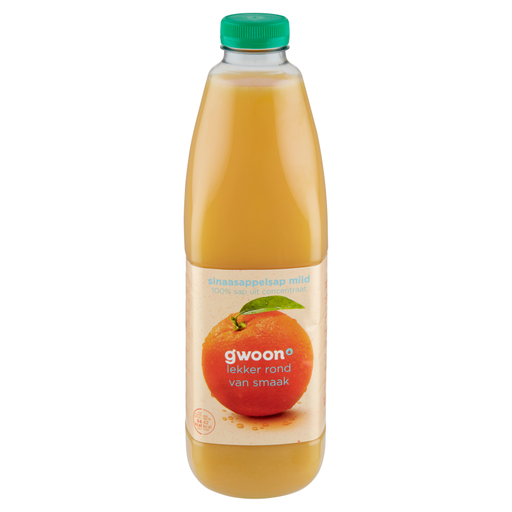
Why it stands out: This product combines a large volume with an accessible price, making it a practical option for daily use.
Pros:
Who is it for? For the price-conscious shopper and families looking for an affordable and functional orange juice for breakfast or as a thirst-quencher.
View G'woon Orange Juice on Joybuy.nl
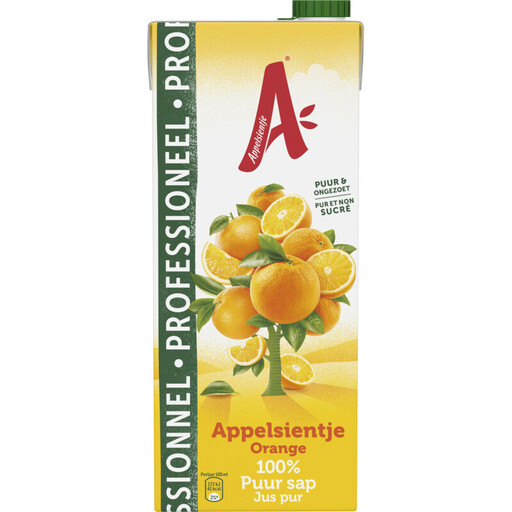
Why it stands out:Appelsientje is one of the most well-known brands in the Netherlands and stands for a consistent and recognizable flavour.
Pros:
Who is it for? For those who prefer the trusted flavour of a premium brand and value the fruit's origin as communicated by the brand.
View Appelsientje Orange Juice on Joybuy.nl
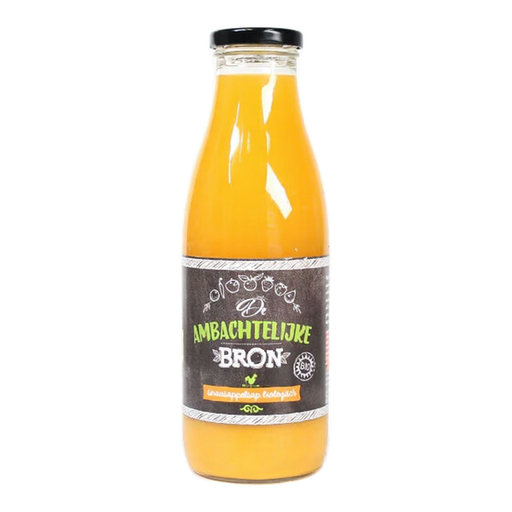
Why it stands out: This juice is made from organically grown oranges, which appeals to a specific group of consumers.
Pros:
Who is it for? For the consumer who consciously chooses organic orange juice and is willing to pay a higher price for it.
View Craft Source Organic Orange Juice on Joybuy.nl
Didn't find your ideal juice, or are you curious about other vitamin-rich drinks? Many more varieties are available, from other types of fruit to mixed drinks.
Discover more choices in our Vitamin A drink category.
Juice from concentrate is made by removing water from freshly squeezed juice and then adding it back later. Juice that is not from concentrate (sometimes called 'fresh juice') is packaged immediately after pressing. The nutritional value is generally comparable, but the production method and price differ.
Yes, orange juice naturally contains fruit sugars. Even a product with the claim "no added sugar" contains these natural sugars. The amount of sugar per 100 ml is always listed on the nutrition facts table on the packaging.
