
Vandaag of morgen in huis

Kwaliteit gegarandeerd

Welkomstaanbiedingen ontgrendelen: GRATIS bezorging | Tot 80% korting | Gratis 30 dagen JoyPlus-proefperiode
Download de app
Nut bars seem like the ideal solution for a quick, nutritious bite. But the shelves are packed with options promising to be 'healthy' or 'high-protein', while the fine print tells a different story. Many bars are just disguised sugar bombs or aren't worth the price. Before you make a choice, it's crucial to know what to look for to avoid a bad purchase.
These are the two most common pitfalls:
healthy bars but is actually loaded with sugars under different names. Terms like glucose syrup, fructose syrup, or even agave syrup all contribute to the total sugar content. A quick look at the "of which sugars" line on the label is often a sobering experience.protein bars use their protein content as a primary selling point. However, the amount of protein is sometimes barely higher than in a standard granola bar, or the protein source is of lower quality. You end up paying a premium price for a claim that adds little practical value.To make an informed choice, focus on a few objective specifications on the packaging. These factors determine whether a nut bar truly fits your goals, whether it's for a post-workout recovery or an on-the-go snack.
The most important indicator is the "Carbohydrates, of which sugars" line on the nutritional table. A bar with less than 10 grams of sugar per 100 grams can be considered a low-sugar bar. Also, pay attention to the ingredients list. Bars sweetened with dates or other fruits contain natural sugars, which have a different nutritional profile than bars with added, refined sugars.
For those looking for protein bars to support muscle recovery, the amount and source are crucial. A bar with more than 15 grams of protein per serving makes a substantial contribution. The protein can come from the nuts themselves, but it's often supplemented with sources like whey, casein, or soy protein.
Fibre is crucial for a long-lasting feeling of fullness. A nut bar with a high fibre content (more than 6 grams per 100 grams) is a better choice to curb hunger between meals. Nuts, seeds, and whole grains like oats are excellent sources of fibre.
Based on these criteria, we've highlighted several popular choices that suit different needs.
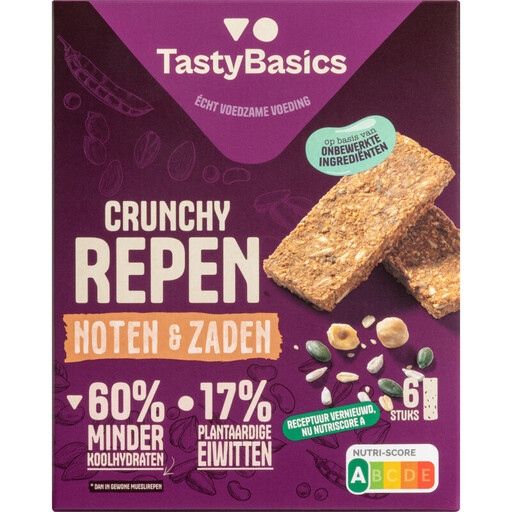
Why This Fits Their Persona: Perfect for professionals who need a convenient and satisfying snack for the office or on the move. The multipack is practical, and the bar provides sustained energy without a sugar crash.
This bar bypasses the "hidden sugar" trap by combining an exceptionally low sugar content (6.8g per 100g) with a very high fibre content.
Extremely high in fibre (17g per 100g) for a long-lasting feeling of fullness. Contains a mix of oats, seeds, and nuts.

Why This Fits Their Persona: Specifically designed for athletes who need a high dose of protein for post-workout muscle recovery, without unnecessary sugars.
This bar tackles the "protein illusion" by delivering a solid 20 grams of protein per bar. According to the manufacturer, there are no added sugars.
High protein content (20g) for functional use. Its crispy texture is often considered a plus compared to other, chewier protein bars.
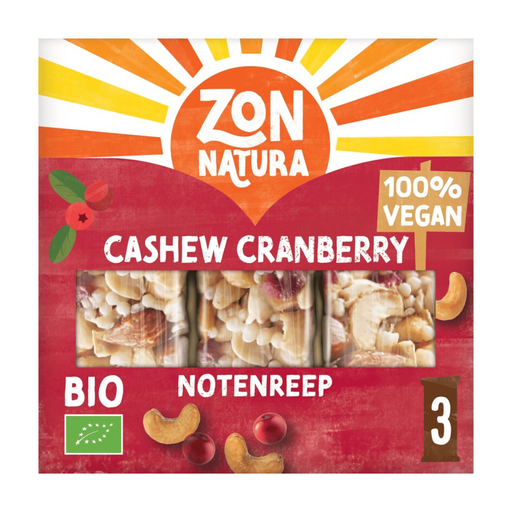
Why This Fits Their Persona: Suitable for those who value `organic nut bars` and a clean, short ingredient list. The focus is on pure and recognisable ingredients.
This bar avoids the trap of unclear, synthetic ingredients. Although it contains sugar, the source is transparent (agave syrup and cranberry), and all ingredients are organic.
Fully certified organic. Sweetened with agave syrup instead of refined sugars. Contains a mix of peanuts, cashews, and almonds.
We've compiled a complete, up-to-date list of products that meet these selection criteria. Find the nut bar that's perfect for you.
There's no official rule, but a good rule of thumb is to look for bars with less than 10 grams of sugar per 100 grams. Pay special attention to the amount of added sugars. Bars sweetened only with whole fruit (like dates) are often a better choice than those with glucose syrup, even if the total sugar content is similar.
Not necessarily. The price is often influenced by branding, marketing, and the type of protein used. A bar with whey protein isolate is typically more expensive than one with soy protein. It's more important to look at the amount of protein per bar (ideally more than 15 grams) and the full ingredient list, rather than going by price alone.
Generally, nut bars are not recommended as a meal replacement. They are designed as an on-the-go snack or as a functional snack for around your workout. While some bars are calorie-dense and nutritious, they lack the balance of vitamins, minerals, and macronutrients that a complete, varied meal provides.
