Vandaag of morgen in huis

Kwaliteit gegarandeerd

Welkomstaanbiedingen ontgrendelen: GRATIS bezorging | Tot 80% korting | Gratis 30 dagen JoyPlus-proefperiode
Download de app
Making your own sushi is a fun and delicious activity. But the first step, choosing the right ingredients, can sometimes be tricky. This is especially true for the foundation: the nori sheets. Whether you're looking for the perfect sushi seaweed for maki rolls or sturdy kimbap sheets for a Korean lunch, the selection is vast.
This article is designed to be a practical guide. We'll help you understand the differences and find the right seaweed sheets for your kitchen, without the over-the-top marketing jargon. We'll look at specifications, pack sizes, and quality indicators so you can make an informed choice.
Before you make a choice, it's helpful to know a few basic principles. This will help you better understand the specifications on the packaging.
You'll sometimes see terms like 'Gold' (A-grade) or 'Silver' (B-grade) on the packaging. This is an indicator of the quality of the roasted seaweed.
Nori sheets come in various pack sizes. A standard pack usually contains 10 sheets, which is enough for about 5-6 sushi rolls. This is ideal if you only make sushi occasionally.
Are you an avid home cook, do you have a large family, or do you regularly make kimbap for lunch? Then a value pack with 50 or even 100 sheets can be a smart choice. It's more cost-effective in the long run, and you'll never run out. Just be sure to store the sheets in an airtight container after opening to keep them crisp.
Based on product specifications and intended uses, we have made a selection of popular choices currently available.
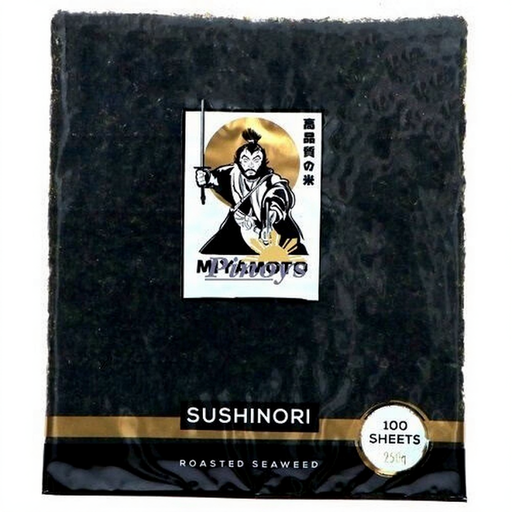
Why It Stands Out The Miyamoto Roasted Seaweed stands out for its quantity. With 100 sheets per pack, this product offers excellent value for money for anyone who uses nori regularly.
Pros
Who Is It For? This is the ideal choice for families, foodies who host weekly sushi nights, or small restaurant owners. If you're looking for a reliable supply of seaweed sheets, this is a practical and economical option.
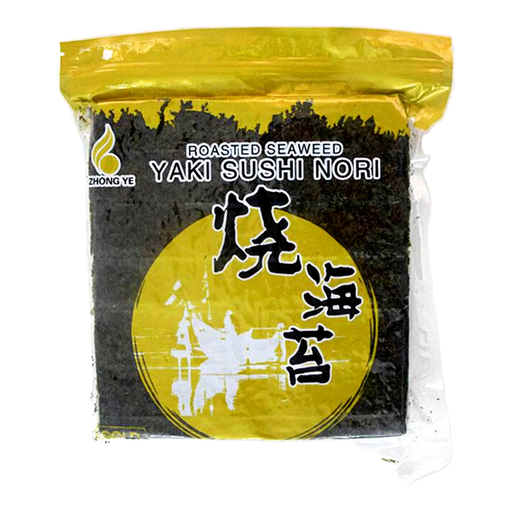
Why It Stands Out This nori from Zhong Ye is distinguished by its 'Gold Grade' quality. This indicates a premium selection, focusing on the best flavour and texture.
Pros
Who Is It For? This product is intended for the home cook who refuses to compromise on quality. If you want to impress guests or treat yourself to a restaurant-quality sushi experience, these nori sheets are an excellent choice.
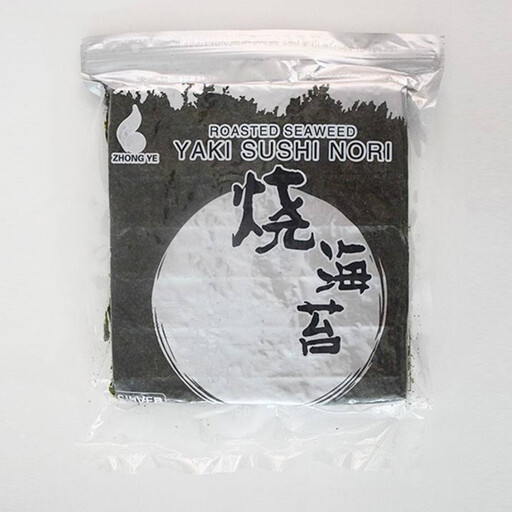
Why It Stands Out This 'Silver Grade' version from Zhongye offers a solid balance between price and performance. It's a versatile and accessible product for everyday use.
Pros
Who Is It For? This is a great all-rounder. Perfect for those just starting to make sushi, or for cooks who use nori sheets for various purposes and are looking for a functional, affordable product.
Is this not quite what you're looking for, or are you curious about other brands and pack sizes? Every cook has different needs. Fortunately, a wide range of options is available.
️ Explore our full range of Nori Sheets here
Essentially, they are made from the same ingredient: roasted seaweed. Kimbap sheets are sometimes slightly thinner and more flexible than the thicker, high-quality Japanese nori sheets. Traditionally, kimbap sheets are often lightly toasted and brushed with sesame oil and salt, whereas nori for sushi is typically used plain. In practice, you can use most nori sheets for both dishes.
Moisture is nori's greatest enemy; it makes the sheets tough. Always store an opened package in a resealable bag or an airtight container. Put the included desiccant packet (silica gel) back in to absorb moisture. A cool, dark, and dry place, like a kitchen cupboard, is ideal. This will keep your seaweed sheets crisp for the longest time.
Nori is often considered a nutritious product. Looking at the manufacturers' specifications, we see that it is naturally low in calories. For example, the Miyamoto packaging states that their roasted seaweed contains 35 grams of protein per 100 grams and is fat-free. Zhong Ye indicates that their product contains no artificial colours or flavours. Always consult the nutrition label on the specific product packaging for exact details.