
Vandaag of morgen in huis

Kwaliteit gegarandeerd

Welkomstaanbiedingen ontgrendelen: GRATIS bezorging | Tot 80% korting | Gratis 30 dagen JoyPlus-proefperiode
Download de app
Choosing a new fridge-freezer can feel like a daunting task. The specifications are endless, and every manufacturer promises the world. Above all, you want a reliable appliance that keeps your groceries perfectly chilled, without you having to chip away at ice twice a year. No Frost technology has become standard, but what other key features should you consider?
As a Joybuy Product Recommendation Officer, I'm here to help you cut through the marketing jargon. In this article, I'll provide practical guidance and a selection of models based on verifiable specifications, enabling you to make an informed decision that suits your household and budget.
Before we dive into the models, here are three key factors to refine your search.
Since 2021, the energy label has become more stringent. An appliance that was previously rated A+++ might now fall into class D or E. An energy-efficient fridge is an investment that pays for itself on your energy bill. A class B energy-rated fridge is currently one of the most efficient choices on the market. Pay attention to the annual consumption in kilowatt-hours (kWh) on the label; this gives a concrete picture of the costs.
Live in a studio or have an open-plan kitchen? Then a quiet fridge is essential. The noise level is expressed in decibels (dB). A model below 40 dB is generally considered quiet. For comparison, a quiet library is about 35-40 dB. The inverter compressor, found in many modern fridges, helps minimise noise by running continuously at a low speed instead of constantly switching on and off.
The type of fridge defines your kitchen's aesthetic. A standard freestanding fridge is easy to place. Want a sleeker look? Opt for a model with a built-in look. These appliances are designed to fit with minimal clearance next to your kitchen cabinets. For those who need a lot of space and want to make a statement, a stainless steel American-style fridge is a popular option, often featuring double doors and a water dispenser.
Below are several models that stand out for their specific features, catering to different needs.
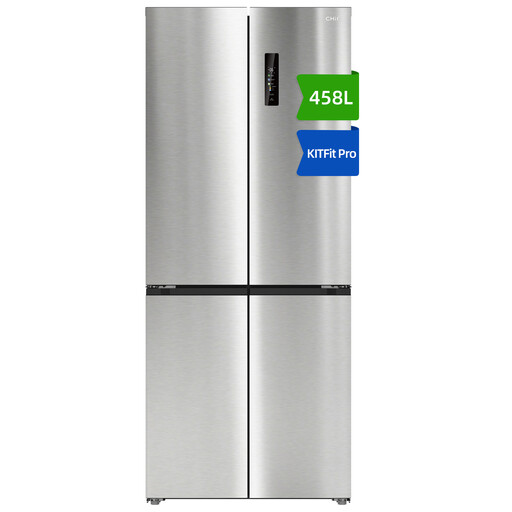
Why It Stands Out: This model combines a large capacity with a smart design. The KITFit Pro technology allows the fridge to be installed with just 4 mm of side clearance, creating a sleek built-in look without the complexity of a true integrated appliance. Heat is dissipated from the bottom, a design detail that makes this possible.
Key Benefits:
Who Is It For? For larger households and design enthusiasts who want the look of a stainless steel American-style fridge but with seamless kitchen integration.
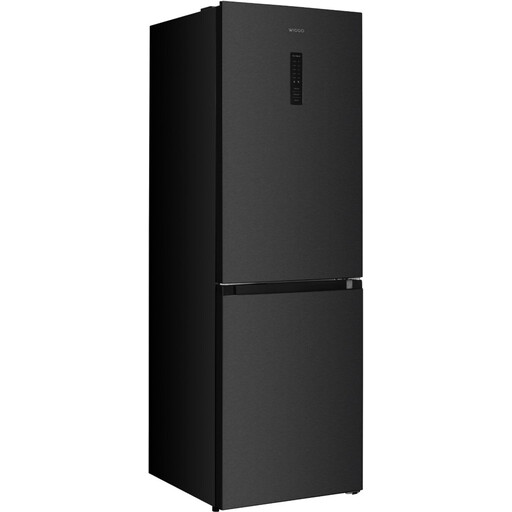
Why It Stands Out: The Wiggo WR-CD18NFB(DX) is a standout performer in energy efficiency. With an energy class B rating and an annual consumption of just 127 kWh, it's a highly economical choice for the long term.
Key Benefits:
Who Is It For? For the pragmatic, cost-conscious user seeking a reliable, quiet, and above all, a very energy-efficient fridge without unnecessary frills.
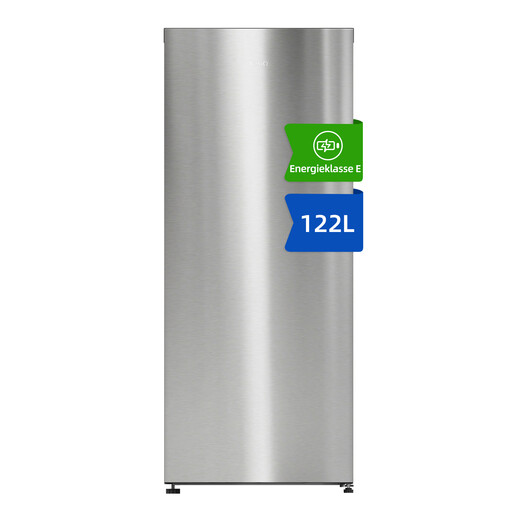
Why It Stands Out: This isn't a standard fridge-freezer, but a highly flexible solution. This small No Frost freezer can be converted into a refrigerator at the touch of a button. Ideal for those who need seasonal extra freezer or cooling space.
Key Benefits:
Who Is It For? For those in small households, as an extra freezer in the utility room, or for anyone seeking a flexible cooling and freezing solution that adapts to their needs.
Are you specifically looking for a model with double doors, also known as a 'French door' model? These often provide wide refrigeration space, which is convenient for large platters.
Explore our extensive collection of French door fridges here
No Frost is a technology that prevents ice build-up in the freezer compartment. A fan circulates cold, dry air throughout the freezer, wicking away moisture before it can freeze into ice. The result: you never have to manually defrost the freezer, packaging remains legible, and drawers always open smoothly.
Very important. A fridge runs 24 hours a day, 7 days a week, making it one of the biggest energy consumers in the home. A model with a better energy label (e.g., B instead of E) can lead to significant annual savings. The higher purchase price is often more than recovered over the appliance's lifespan.
A noise level of 40 decibels (dB) or lower is considered quiet. Models around 35-37 dB are whisper-quiet and ideal for open-plan living spaces. Check the noise class on the energy label: class C is common, while B is exceptionally quiet.
Kind regards,
Joybuy Product Recommendation Officer
