
Vandaag of morgen in huis

Kwaliteit gegarandeerd

Welkomstaanbiedingen ontgrendelen: GRATIS bezorging | Tot 80% korting | Gratis 30 dagen JoyPlus-proefperiode
Download de app
A night light seems like a simple purchase. Yet, the wrong choice can disrupt your sleep or cost you unnecessary money. Many people pick a model that looks nice, only to discover later that it's impractical or even disruptive. Before you make a decision, it's wise to consider a few common pitfalls.
As a Joybuy Product Recommendation Officer, I'll help you cut through the marketing jargon and focus on what truly matters. Here are the key points to consider to avoid a bad purchase.
Many night lights seem fine at first glance but have hidden downsides. Pay attention to the following points:
You don't need to memorize technical specifications to make the right choice. Just focus on these three practical features.
The technology inside a night light determines its ambiance and power consumption. An LED night light is the standard today due to its low energy use and long lifespan. Even more important is the ability to adjust the brightness. A dimmable night light gives you the control to set the light to the perfect level of softness. Preferably, choose a model with a warm light color (around 2700-3000 Kelvin), as this is perceived as more calming.
Think about where and how you plan to use the light.
For a child's night light or baby's night light, safety is the highest priority. Pay attention to the following:
Based on these criteria, we've selected a few products that suit different users.
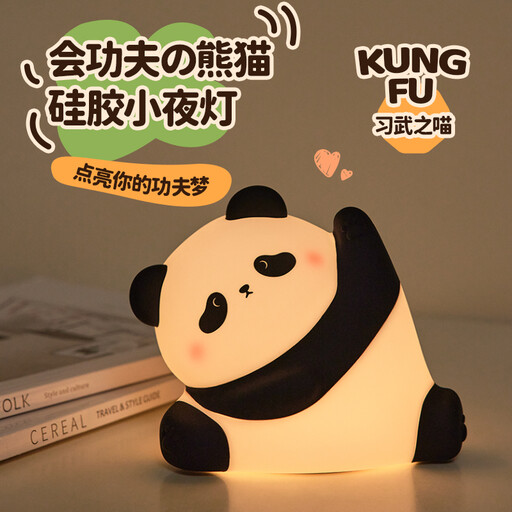
Why This Fits Their Persona: This light is designed with the safety and comfort of children in mind. It's soft, rechargeable, and easy for a child to operate, making it a reassuring presence in the bedroom.
Its 3 dimmable levels prevent the light from being too bright. Because it's rechargeable, there's no hassle with batteries or cords near the bed.
Made of food-grade, squeezable silicone that doesn't get hot. Simple touch controls.
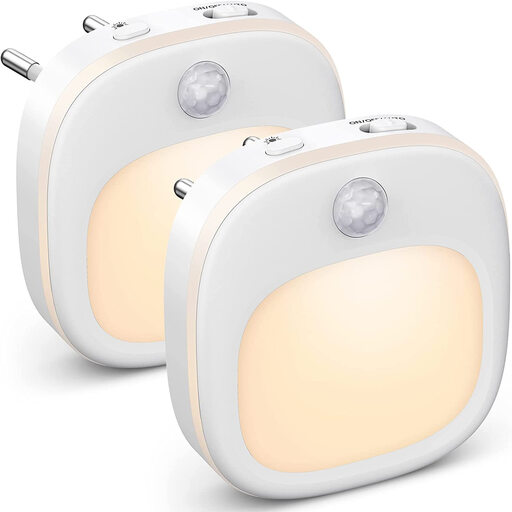
Why This Fits Their Persona: For those who want to navigate their home safely at night without turning on the main lights. This set is a 'set it and forget it' solution for hallways, stairs, and bathrooms.
The motion sensor eliminates fumbling for a switch and ensures the light is only on when needed, saving energy.
Adjustable brightness (5 levels) and 3 color temperatures. It's a plug-in model, so there's no fuss with batteries.

Why This Fits Their Persona: Ideal for anyone needing light in places without an outlet, like inside a closet, under a kitchen cabinet, or in a storage area. The slim, rechargeable design can be placed anywhere.
The built-in 1100mAh battery is USB-rechargeable, eliminating the need for disposable batteries. The PIR motion sensor ensures efficient energy use.
Ultra-thin and attaches magnetically without drilling. Choose from three color temperatures for different applications.
We've curated a complete, up-to-date list of products that meet these selection criteria and applicable safety standards.
A modern LED night light is extremely energy-efficient. Most models consume between 0.3W and 1W. Even if the light stays on all night, the annual electricity costs are typically negligible, often less than a dollar.
That depends on the application. For a hallway or bathroom, a night light with a motion sensor is more efficient because it only turns on with movement. For a baby's night light, a lamp that provides a constant, soft glow (or has a dusk-to-dawn sensor) can be more reassuring.
Warm white light (between 2700K and 3000K) is the recommended choice for sleeping areas. This color has a yellowish or orange glow that is less disruptive to the production of the sleep hormone melatonin than cold, bluish light. This helps maintain a calm and restful atmosphere.
