
Vandaag of morgen in huis

Kwaliteit gegarandeerd

Welkomstaanbiedingen ontgrendelen: GRATIS bezorging | Tot 80% korting | Gratis 30 dagen JoyPlus-proefperiode
Download de app
The vitamin aisle can be overwhelming. Dozens of bottles make all sorts of promises, but how do you know which multivitamin is right for you? Many products look alike, and marketing buzzwords don't make the choice any easier. Before you toss a random bottle into your cart, it's wise to know what to look for. This way, you avoid paying for empty promises.
Here are a few common pitfalls:
Fortunately, making a good choice isn't difficult once you know what to look for.
To see through the marketing, it's best to focus on the facts: the composition and the dosage. These are the most important points to consider.
The foundation of a good choice is a product tailored to your specific needs.
multivitamin for women typically contains more of it. A multivitamin for men is often formulated differently, for example, with extra zinc, which contributes to maintaining normal testosterone levels in the blood.multivitamin 50+ often contains a higher dose of vitamin D to support bones and vitamin B12, as its absorption can decrease with age.prenatal multivitamin with extra folic acid, or a formula for athletes with more B vitamins for energy metabolism.Check the label for the percentages next to the ingredients. These are often expressed as % RI (Reference Intake). This percentage indicates how much of the recommended daily amount of a nutrient is in a single dose.
For most vitamins and minerals, a dosage around 100% RI is a good benchmark for daily supplementation. Higher dosages are not always better and can even be undesirable in some cases. So, pay attention not just to what's in it, but especially to how much.
Multivitamins come in various forms. The choice depends on your personal preference.
children's multivitamin or for adults who have difficulty swallowing. Be mindful of any added sugars.Based on composition and target audience, we have highlighted several products that align with different profiles.
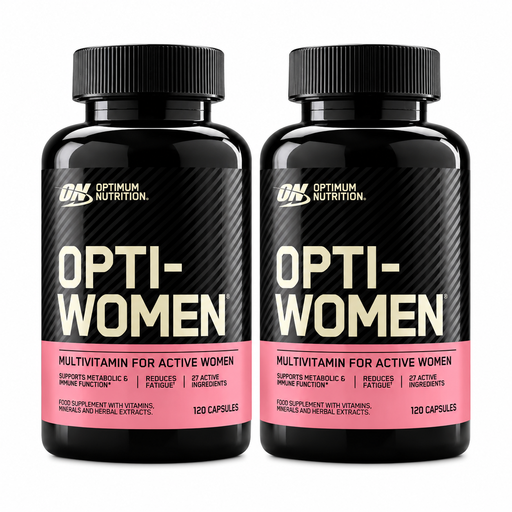
Why This Fits Their Persona: This formula is designed for women with an active lifestyle. Its composition provides support for a busy schedule or periods of intense training.
This is not a generic multivitamin but a product specifically tailored to the needs of active women, thus avoiding the "all-in-one" pitfall.
Contains 100% RI for iron and 200% RI for folic acid. The B vitamins (B6 & B12) contribute to energy metabolism and the reduction of fatigue.
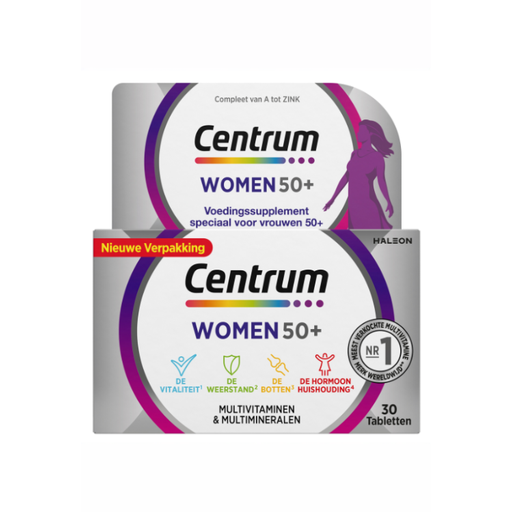
Why This Fits Their Persona: Specially developed for the changing nutritional needs of women over 50, with a focus on energy, immunity, bones, and hormonal balance.
This product from the well-known brand `Centrum` targets the specific needs of those 50+, such as hormonal changes, instead of making a vague "more energy" promise.
Contains calcium and vitamins D and K to support bone health. Vitamin B6 helps regulate hormonal activity. Gluten and lactose-free.
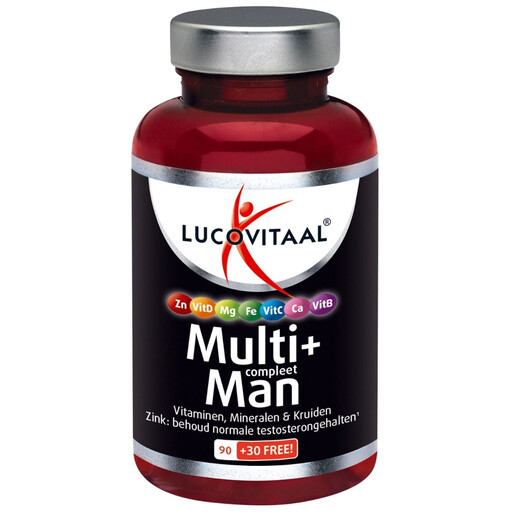
Why This Fits Their Persona: This high-dose `Lucovitaal` multivitamin is specifically formulated for men and focuses on supporting overall health and vitality.
Instead of a generic formula, this product focuses on ingredients relevant to men, such as zinc. The dosages are clear and targeted.
Contains zinc, which contributes to the maintenance of normal testosterone levels. Magnesium supports muscle function and vitamin B12 supports fitness. The MAXI jar contains 120 tablets.
We've compiled a complete, up-to-date list of products that meet these selection criteria and comply with local regulations.
It is generally recommended to take a multivitamin with a meal. This improves the absorption of fat-soluble vitamins (A, D, E, and K) and reduces the chance of an upset stomach. To be sure, always read the directions on the packaging.
Not necessarily. The price is influenced by the brand name, marketing, and the form of the vitamins used (some are more bioavailable and therefore more expensive). The most important thing is to check the label for the right ingredients and dosages for your needs, rather than just looking at the price.
A varied and healthy diet is always the foundation. However, a multivitamin can be a useful supplement in certain situations, such as with a demanding lifestyle, during specific life stages (like being over 50 or trying to conceive), or if your diet isn't always optimal. Think of it as extra support, not a replacement for healthy food.
