Vandaag of morgen in huis

Kwaliteit gegarandeerd

Welkomstaanbiedingen ontgrendelen: GRATIS bezorging | Tot 80% korting | Gratis 30 dagen JoyPlus-proefperiode
Download de app
Running out of fridge space is a common problem. Whether you're in a dorm room, need an extra fridge for drinks at the office, or want a compact solution for camping, a mini fridge is the perfect answer. However, the market is vast, and the specifications can be confusing.
As a Joybuy Product Recommendation Officer, I'm here to guide you. This article provides practical tips and a selection of models that stand out for their unique features, helping you make an informed choice that fits your specific needs.
Before making a decision, it's wise to consider a few key points. This will help you find a model that truly meets your requirements.
The first step is to determine the space you have available. Measure the spot where the fridge will go, and remember to account for the necessary ventilation space at the back and sides. The capacity, expressed in litres, is also crucial. For a few cans and snacks in a dorm room fridge or office, a model up to 50 litres is often sufficient. If you need more space for groceries, a tabletop fridge of 80 litres or more is a better option.
An energy-efficient fridge is not only better for the environment but also for your wallet. The energy label, which ranges from A (most efficient) to G (least efficient), provides a clear indication of consumption. Also, pay attention to the noise level, expressed in decibels (dB). A quiet fridge (under 40 dB) is a must-have for a bedroom or study, ensuring you won't be disturbed by a humming sound.
Are you looking for a fridge for a specific purpose? A camping fridge should be portable and ideally work with a 12V car socket. A beverage cooler often has a glass door and a layout optimised for bottles and cans. For those who value style, a retro fridge can be a chic addition to any interior. Features like a reversible door or a small freezer compartment can further enhance convenience.
Below are our recommended models, selected based on their specifications and functionality for various use cases.
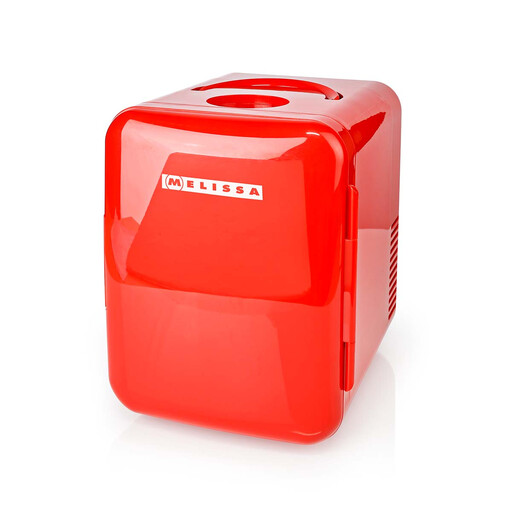
Why this model stands out The Melissa mini fridge is extremely versatile thanks to its dual power supply (mains and 12V car socket) and its unique ability to both cool and heat.
Advantages
Who is this for? Ideal for travellers, campers, or as a personal desk fridge to keep drinks, snacks, or even cosmetics cool.
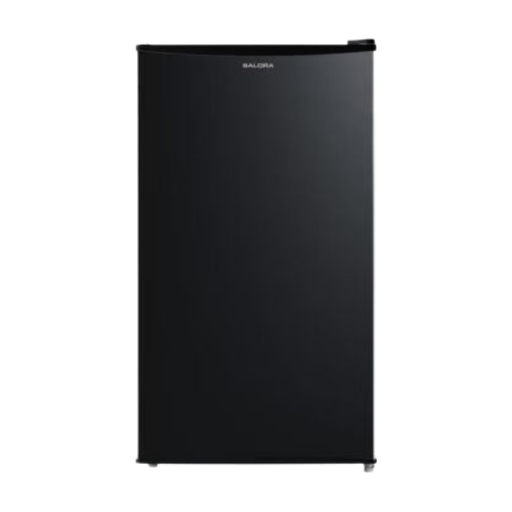
Why this model stands out This Salora model combines a compact size with a surprisingly spacious interior, including a 4-star, 12-litre freezer compartment.
Advantages
Who is this for? An excellent choice for students or single-person households looking for a compact fridge with freezer capabilities for a studio or small kitchen.
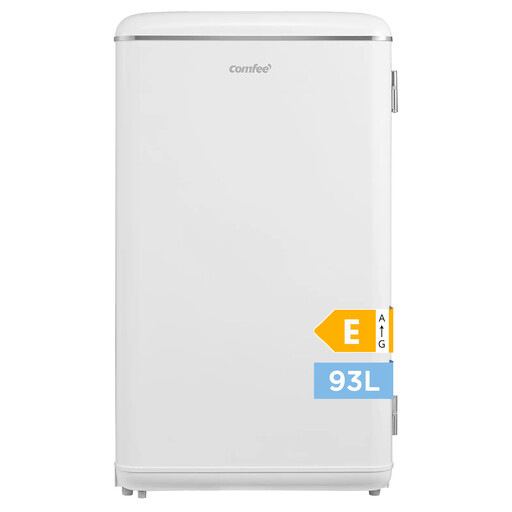
Why this model stands out The Comfee fridge immediately catches the eye with its stylish retro fridge design. It's a functional appliance that also serves as a decorative element in any room.
Advantages
Who is this for? Perfect for those who want to combine functionality with design. Suitable for the kitchen, a larger office, or a hobby room.
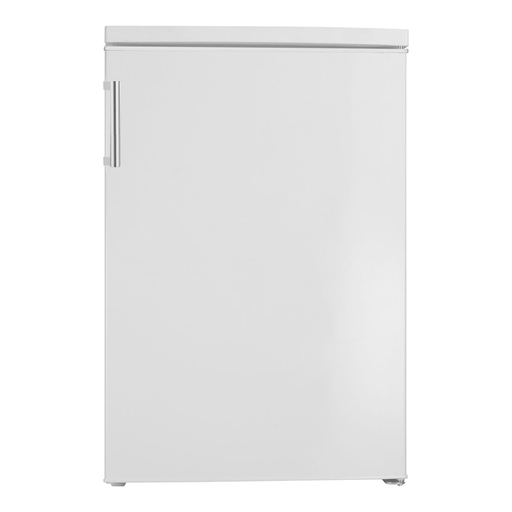
Why this model stands out This Frilec model is a powerhouse in its class. It combines a very generous 133-litre capacity with an excellent C energy rating and an extremely low noise level.
Advantages
Who is this for? Ideal for small households seeking a spacious and highly efficient fridge, or as a secondary fridge in a utility room or garage.
The perfect fridge depends on your personal needs. Are you looking for a model without a freezer, or one with specific dimensions? There are many more options available.
Explore our full range and find the cooling solution that's right for you.
View our full range of fridges without a freezer and water dispenser
A quiet fridge is any model with a noise level of 40 decibels (dB) or less. This is especially important if the fridge will be placed in a bedroom or living area. Models like the Frilec BERLIN166-V-010CW, with a noise level of 37 dB, are exceptionally well-suited for this.
Power consumption depends on the fridge's size, age, and most importantly, its energy rating. A model with a C energy rating, like the Frilec, uses significantly less electricity than a model with an F rating. Always check the annual energy consumption in kilowatt-hours (kWh) on the energy label to make an accurate comparison.
This is generally not recommended. A refrigerator generates heat and requires adequate ventilation space—usually at the back and sides—to dissipate it. Without proper airflow, the appliance can overheat, operate less efficiently, and may fail prematurely. Always consult the manufacturer's manual for specific installation requirements.