
Vandaag of morgen in huis

Kwaliteit gegarandeerd

Welkomstaanbiedingen ontgrendelen: GRATIS bezorging | Tot 80% korting | Gratis 30 dagen JoyPlus-proefperiode
Download de app
A soggy sandwich, a bag soaked in yoghurt, or a lunch that's lost its freshness after just a few hours. Choosing the right lunchbox seems simple—until you're faced with the consequences of a poor choice. Many products promise the world but fail you in practice. Before you invest in a new set, it's wise to understand the common pitfalls.
As a Joybuy Product Recommendation Officer, I see daily which specifications truly make a difference. Let's cut through the marketing jargon and focus on what really matters. These are the most common problems and how to avoid them:
To avoid a bad purchase, it's smart to focus on a few key specifications. These will determine the durability and user-friendliness of your lunchbox.
The material is the foundation of your lunchbox and directly impacts its use, maintenance, and lifespan.
kids' lunchbox. Always look for the BPA-free specification. Brands like Mepal are well-known in this category. The downside is that lower-quality plastic can stain or retain odours.thermal food container is perfect as a hot food container for soups or warm meals. The disadvantage is that stainless steel cannot be used in the microwave.meal prep containers. The drawbacks are its weight and fragility, making it less suitable for young children.A leak-proof lunchbox is essential if you're packing more than just dry sandwiches. Don't just look at the "leak-proof" claim; inspect the construction. A reliable leak-proof seal typically consists of two components: a flexible silicone seal in the lid and sturdy clips that press the lid evenly onto the container. Without this combination, the risk of leaks, especially with liquids, is significant.
Think about how you will use the lunchbox.
bento box is ideal for keeping different food items separate. This prevents your cracker from getting soggy from your cucumber. Check if the dividers are tall enough and seal well against the lid.thermal food container. According to manufacturer specifications, these often maintain the temperature for several hours.food storage containers are a lifesaver. They save precious space in the fridge and freezer.Based on these objective criteria, we have selected a number of products that suit different user profiles.
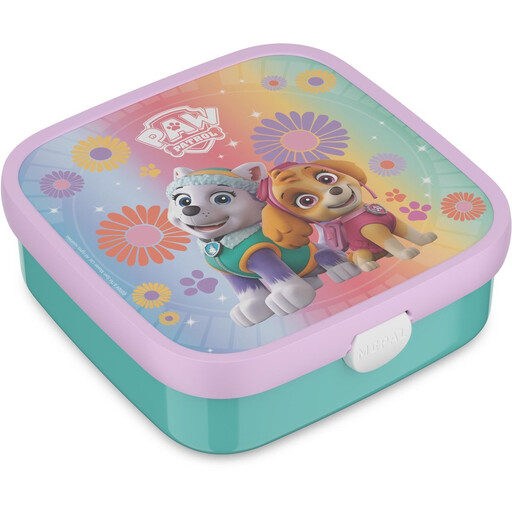
Why This Fits Their Persona: This Mepal lunchbox is designed for daily school use. The bento layout encourages a varied lunch with fruit and snacks alongside sandwiches, and the popular print makes it fun for kids.
The latch is specifically designed to be easily opened by children's hands, avoiding the pitfall of an impractical, overly tight seal.
Includes a removable bento tray and fork. Made of BPA-free plastic and is dishwasher-safe.
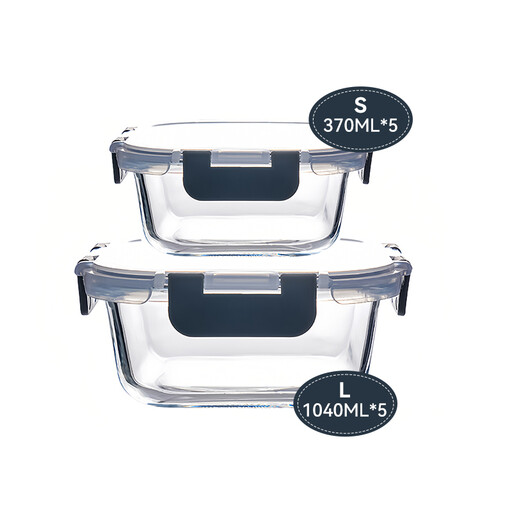
Why This Fits Their Persona: This 10-piece set is ideal for adults who prepare their meals for the entire week. The different sizes are practical for portion control and storing various dishes.
Made from high-borosilicate glass. This material is non-porous, avoiding the pitfall of staining and odour retention, even with strongly spiced food.
Suitable for the microwave and oven (without the lid). The lids seal tightly to ensure freshness in the fridge or freezer.
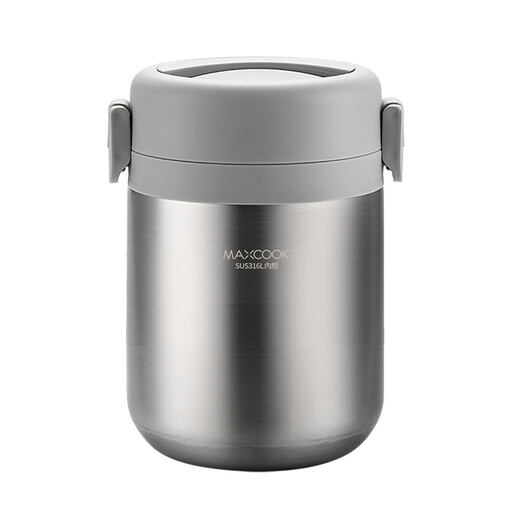
Why This Fits Their Persona: Perfect for professionals or students who want to enjoy a hot soup, stew, or leftovers from the previous night at the office or on the go, without relying on a microwave.
The reliable, tight-sealing lid is designed to prevent liquid leaks, thus debunking the "leak-proof myth" for soups and sauces.
The vacuum insulation technology keeps food hot or cold for 4-6 hours, according to the manufacturer. The wide opening makes eating and cleaning easy.
We have compiled a complete, real-time list of products that fully satisfy these strict selection criteria and UK safety regulations.
A traditional lunchbox is often a single large compartment, primarily intended for sandwiches. A bento box is a compartmentalised lunchbox originating from Japan. The idea is to carry a complete, varied meal in one container, keeping the different components (like rice, vegetables, meat/fish, and fruit) neatly separated.
When purchasing a plastic lunchbox, especially a kids' lunchbox, look for the BPA-free label. Bisphenol A (BPA) is a chemical used in some types of plastic that has raised health concerns. Products sold as BPA-free are made from alternative plastics that do not contain this substance.
