
Vandaag of morgen in huis

Kwaliteit gegarandeerd

Welkomstaanbiedingen ontgrendelen: GRATIS bezorging | Tot 80% korting | Gratis 30 dagen JoyPlus-proefperiode
Download de app
A backpack small enough for the daily bike commute, yet large enough for unexpected groceries or a weekend getaway. The promise of a lightweight, expandable backpack is tempting. However, the search often ends in disappointment: a bag that becomes unusable after just a few months. Many models fall short, with clever marketing hiding their weak points. Let's look at the three most common pitfalls so you can make a purchase you'll truly value.
Pitfall 1: The "Waterproof" Lie Many backpacks are advertised as "waterproof" but are, in practice, merely water-resistant. After ten minutes in a downpour, your laptop and documents are soaked anyway. The term is often misused for materials that can only withstand a light drizzle.
Pitfall 2: An Impractical Expansion System The extra space is the main reason for choosing this type of bag. Unfortunately, the expansion mechanism on many models is a source of frustration. It's either a clumsy system with zippers that snag, or the extra space makes the bag so unbalanced that it's uncomfortable to carry.
Pitfall 3: Lightweight, but Heavily Uncomfortable A backpack can be feather-light when empty but become a nightmare once you fill it. Manufacturers often skimp on the shoulder straps and back panel. The result: thin, cutting straps and no support whatsoever, causing the bag to dig into your back as soon as it holds more than a lunch box.
To avoid buyer's remorse, it's crucial to look beyond the marketing buzzwords. Pay attention to the following objective specifications.
A good water-resistant backpack is a great start, but the details are crucial. Look for bags made from high-density materials like nylon. According to manufacturers such as Beneunder, their specially developed nylon fabric not only resists rain but also stains and wind. These types of materials are often more durable than standard polyester. A waterproof daypack usually has sealed seams and waterproof zippers, which goes a step further than just water-repellent fabric.
The base capacity, often around a 10L unisex backpack, is ideal for daily use. The expandable section is where it gets interesting. A good design adds about 30% extra volume without distorting the bag's shape or balance. This suddenly makes a compact travel backpack suitable for an extra set of clothes. Check how the expansion works: a smooth, wrap-around zipper is often more practical than a complex folding system.
Comfort depends on two things: the weight of the bag itself and how that weight is distributed. A good backpack for hiking and commuting has contoured, lightly padded shoulder straps that distribute pressure. A bag that weighs only a few hundred grams when empty, like the Beneunder backpack (approximately 235 grams), prevents you from carrying unnecessary weight. This is especially important when you're wearing the bag all day, whether it's to university or on a walk.
Based on these criteria, we have selected a few options that fit specific user profiles.
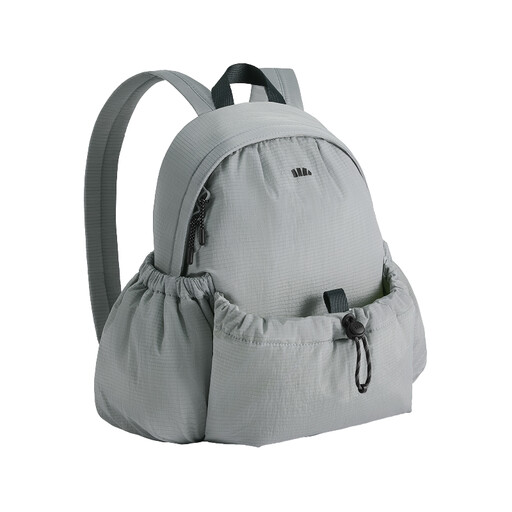
Why This Fits Their Persona: Perfect for those who commute daily between home, work, and the gym. The bag is compact enough for the essentials, but the expandable feature provides space for a laptop, lunch, and gym clothes. The neutral color complements any outfit.
This bag sidesteps the comfort pitfall. According to the manufacturer, the shoulder straps are designed to relieve pressure, ensuring the bag remains comfortable to carry even when fully expanded and packed.
Capacity: Expands from 10L to 13L, a 30% increase.
Weight: Weighs only 235 grams, so you're not carrying any unnecessary weight.
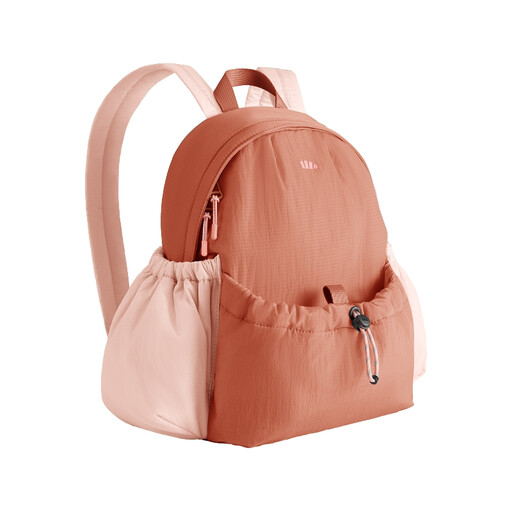
Why This Fits Their Persona: Ideal for a city break or day trip. The bag is light and compact enough to carry comfortably while exploring a city. The extra space is perfect for souvenirs or an extra sweater for the evening.
This model tackles the pitfall of an impractical expansion system. The expansion is a simple, continuous zipper that distributes the extra space evenly, keeping the bag stable and balanced.
Material: Made from a nylon fabric that the manufacturer claims is highly durable and flexible.
Organisation: Smart compartments help organize travel essentials.
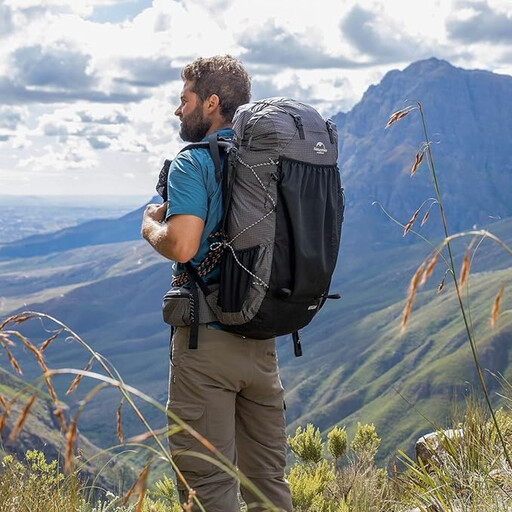
Why This Fits Their Persona: For the serious hiker on multi-day treks. This is not a compact daypack, but a full-fledged trekking backpack with an internal frame for heavy loads and superior stability on rough terrain.
This model is the antithesis of the "lightweight but uncomfortable" pitfall. Its internal frame, padded hip belt, and adjustable shoulder straps are specifically designed to distribute heavy loads effectively.
Load Capacity: A massive volume of 60L plus 5L extra, suitable for multi-day adventures.
Comfort: The ventilated back panel and hip belt maximize comfort during long hikes.
We've compiled a complete, up-to-date list of products that fully meet these strict selection criteria and local regulations.
How do I clean a water-resistant backpack without damaging the coating? Most manufacturers recommend wiping the bag with a damp cloth and, if necessary, a mild soap. Avoid the washing machine and harsh cleaning agents, as they can degrade the water-repellent layer. Always let the bag air dry and do not expose it to direct heat sources like a radiator.
Is a 10L expandable backpack large enough for a laptop? A standard 10L backpack is often too small for a 13-inch laptop or larger. However, an expandable model might have a backpack with a laptop compartment suitable for smaller laptops or tablets. Always check the specific dimensions of the bag and the laptop compartment. For example, the Beneunder LC183 measures approximately 33.5 x 32.5 cm, which can accommodate many common laptops.
What is the difference in carrying comfort between an empty and a fully packed expandable backpack? The difference can be significant. You'll barely feel a light, empty backpack. Once you use the extra 30% capacity, the quality of the shoulder straps and back panel becomes crucial. Models with thin, unpadded straps will dig into your shoulders. Look for bags with "pressure-relief" straps or light padding to maintain comfort, even when the bag is heavier.
