
Vandaag of morgen in huis

Kwaliteit gegarandeerd

Welkomstaanbiedingen ontgrendelen: GRATIS bezorging | Tot 80% korting | Gratis 30 dagen JoyPlus-proefperiode
Download de app
A frayed or lost iPhone charging cable always happens at the worst time. Suddenly, you can't charge your iPhone or iPad and are left with a dead battery. The search for a replacement can be confusing due to the many options available. Do you need a USB-C or a USB-A cable? And what's the most convenient length?
This guide is designed to help you find a suitable Lightning cable. We'll highlight several popular choices and explain what to look for, based on the product specifications that truly matter.
Before you make a choice, there are a few key points to consider. This ensures you buy a cable that fits your devices and your needs.
The most important choice is the type of connector on the end that plugs into the charger.
The length of the cable determines your freedom of movement while charging.
Also, pay attention to the material. Cables with a braided nylon exterior are often more resistant to kinks and daily wear and tear than standard plastic cables.
Choosing a reputable brand ensures that your Apple charging cable or iPad charging cable will function properly and safely with your devices. Brands like Apple, Anker, and Duracell are known for their focus on compatibility and build quality.
Below is a selection of cables with different features, suitable for various users.
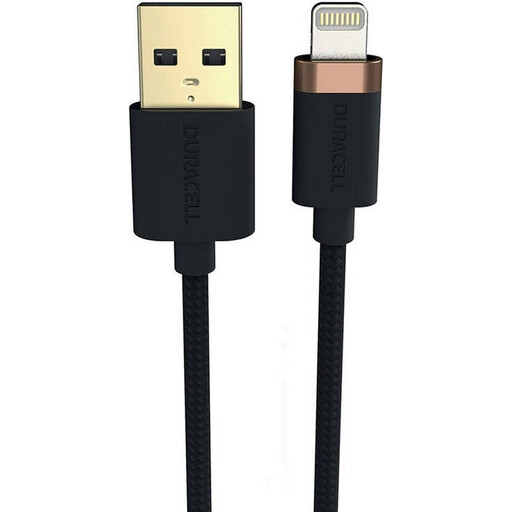
Why It Stands Out: The focus on durability, with a double-braided nylon exterior and a robust construction.
Key Features:
Who It's For: For users with older USB-A chargers or ports who are looking for a robust, durable cable for daily use.
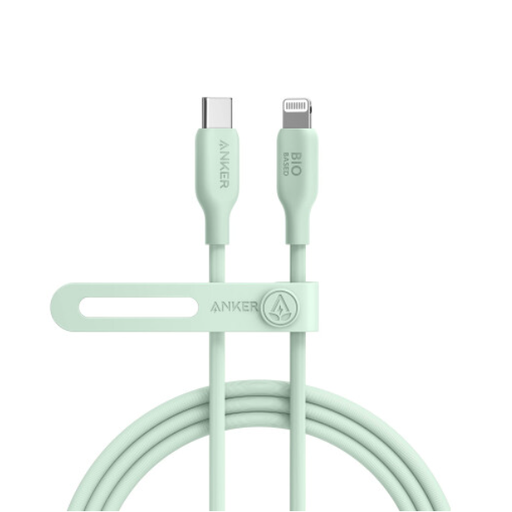
Why It Stands Out: A combination of fast charging and a more eco-conscious material choice.
Key Features:
Who It's For: Ideal for owners of a recent iPhone and a USB-C charger who value fast charging, extra length, and a product with a thoughtful material choice.
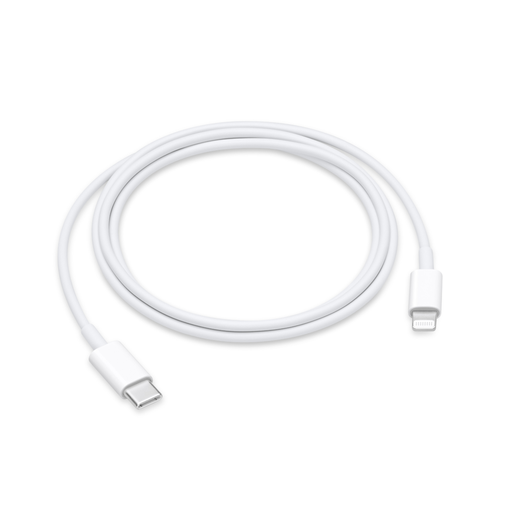
Why It Stands Out: The official cable from Apple, designed for seamless compatibility and optimal performance with Apple devices.
Key Features:
Who It's For: For the Apple user who prefers genuine accessories for guaranteed performance and compatibility.
These recommendations are a starting point. More lengths, colours, and brands are available that might be a better fit for your specific needs. Explore our full selection for more options.
A USB-A Lightning cable has the traditional, rectangular USB connector that fits most older computers and chargers. A USB-C to Lightning cable has a smaller, oval-shaped connector required for newer, more powerful USB-C power adapters and MacBooks. It generally supports faster charging.
No, for fast charging, you need a USB-C to Lightning cable combined with a USB-C power adapter of 18W or more. A standard iPhone charging cable with a USB-A connector typically delivers lower charging speeds.
Pay attention to the materials and construction. Cables with a braided nylon exterior are often more resistant to kinks and wear than standard plastic cables. Reinforced stress points near the connectors, where the cable bends most often, also help prevent long-term breakage.
