
Vandaag of morgen in huis

Kwaliteit gegarandeerd

Welkomstaanbiedingen ontgrendelen: GRATIS bezorging | Tot 80% korting | Gratis 30 dagen JoyPlus-proefperiode
Download de app
White shirts, towels and bedding can start to look dull or yellow over time. This is not always because the detergent is insufficiently effective. Incorrect dosing, poor sorting, hard water or an overfilled drum often play a role. Anyone searching for laundry detergent for white clothes will also find many products making prominent claims about extra brightness or stubborn stain removal. However, the packaging does not always explain what matters most for your laundry routine.
This practical buying guide compares white laundry detergent, washing powder, liquid detergent and laundry capsules based on verifiable product information. We also explain when a stain remover for white clothes or a separate product for toilets and sanitary areas makes more sense.
Optical brighteners can make white textiles appear brighter, but that does not automatically mean that grease, protein stains or dried-on dirt will disappear completely. Check whether the product lists enzymes, oxygen bleach or a separate stain treatment.
A 1-litre bottle is not necessarily better value than a pack of capsules or powder. Compare the number of washes and the recommended dosage. Hard water may require a higher dosage. Too little detergent reduces cleaning performance; too much can leave residue and places an unnecessary burden on the environment.
Laundry detergent for white clothes is not automatically suitable for wool, silk or delicate fabrics. Always check the care label. Some detergents for white laundry are intended for cotton, linen and synthetic fabrics, but not for wool or silk. Bleach for toilets and sanitary areas should never go into the washing machine: it is designed for hard surfaces and can damage textiles and metal components.
A product may be listed on the packaging as suitable for 20, 30, 40, 60 or 95 °C. That does not mean every fabric can be washed at those temperatures. Always follow the textile care label first. For heavily soiled laundry, g’woon’s product information, for example, recommends a minimum temperature of 40 °C. For everyday washing, a detergent specified for use from 20 °C may be more practical.
For white laundry, you will regularly see optical brighteners, enzymes and oxygen bleaches such as sodium percarbonate. Enzymes can help with specific types of dirt, but always check the complete ingredients list if you are sensitive to fragrance or certain substances. According to the product information, Neutral white washing powder is offered without dyes or fragrance and is dermatologically tested and hypoallergenic according to the manufacturer. These are product claims made by the brand; check the current packaging for the latest information.
The selection below is based on product format, contents, stated number of washes, operating temperature and intended use. Performance claims come from the manufacturer’s or retailer’s product descriptions and are not presented as guaranteed results.
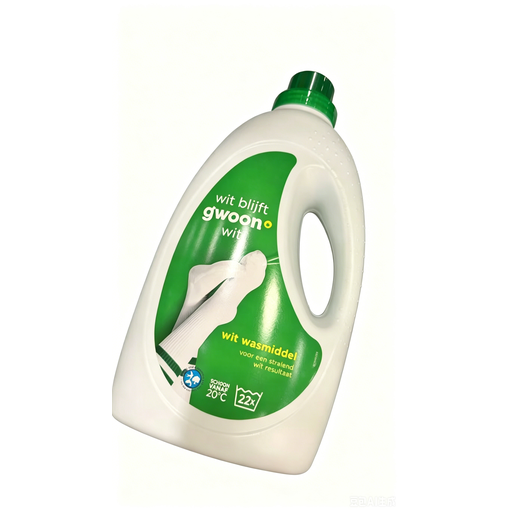
Why it fits: A liquid white laundry detergent with a stated capacity of 22 washes and suitability from 20 °C. Suitable for households that want to do everyday laundry without capsules.
The product information specifies dosages for lightly, normally and heavily soiled laundry. This allows you to adjust the amount instead of routinely using too much.
Liquid formula, stated suitability for 20–95 °C and 22 washes according to the product details.
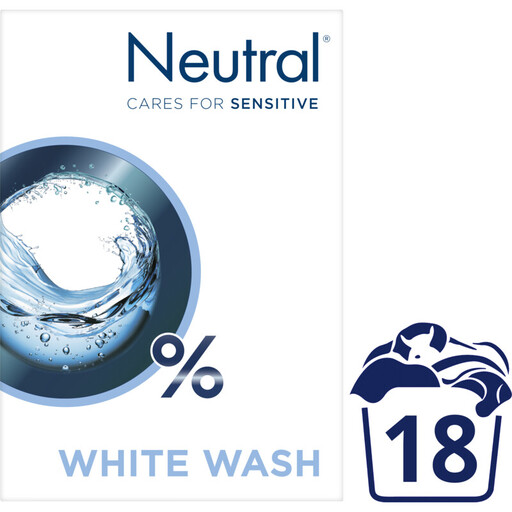
Why it fits: A white washing powder without fragrance or dyes according to the product information. A logical option for anyone who prefers to avoid fragrance in laundry detergent.
The product details explicitly state that it contains no fragrance or dyes. You therefore do not have to rely solely on a general description such as ‘mild’.
1.188 kg of powder, with oxygen bleach and enzymes listed in the ingredients.
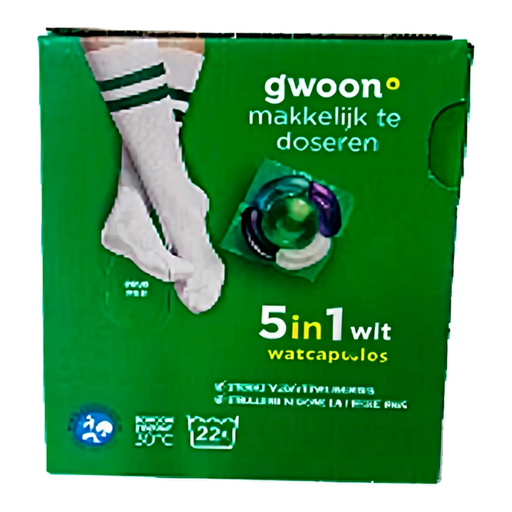
Why it fits: For anyone who wants to dose quickly: one capsule per wash according to the product description. Convenient for a busy household, as long as the drum is not overloaded.
The dosage is pre-measured. Store capsules in a cool, dry place and out of children’s reach, as stated on the label.
22 pre-dosed capsules for white fabrics, reducing the risk of overfilling a measuring cup.
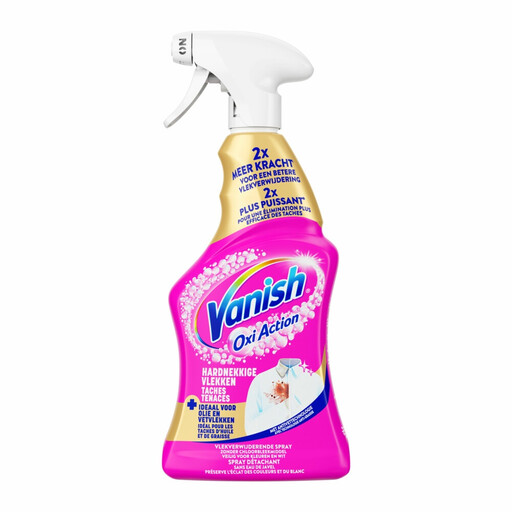
Why it fits: A spray for pre-treating stains on white and coloured textiles, including chocolate, soy sauce and red fruit according to the product description.
You treat the stain directly instead of adding an excessive amount of regular detergent to the entire drum.
500 ml spray intended as a pre-treatment, with a maximum five-minute contact time according to the usage information.
For toilets, drains and certain hard sanitary surfaces, you can consider At Home Clean Bleach 1000 ml or a variant from Glorix, such as Glorix Ocean Bleach 750 ml. According to their product information, these products are intended for surfaces, not white clothing.
According to Glorix’s own information, the variants contain, among other ingredients, sodium hypochlorite and ingredients designed to combat limescale. Claims such as “long-lasting protection” or “hygienic cleaning” come from the manufacturer. Use bleach only according to the label, wear protective equipment where indicated and never mix it with vinegar, descaler, ammonia or other cleaning products. Ventilate the area and keep the bottle out of children’s reach.
Browse a current selection of products for cleaning white clothing and compare detergents, stain removers and additional solutions based on intended use and product specifications.
Washing powder often contains oxygen bleach and optical brighteners, but its performance also depends on dosage, temperature, water hardness and the type of textile. Compare the ingredients and usage instructions rather than relying solely on the term ‘white’.
Yes, provided the care label allows it and the detergent is suitable for that temperature. For stubborn stains or heavily soiled laundry, a higher permitted temperature may be more effective. Always follow the garment care label and the product instructions.
The relevant shelf-life or usage information is stated on the packaging. Store liquid detergent, powder and capsules in a dry place and according to the label. Capsules must also be kept out of children’s reach and protected from heat, moisture and sunlight.
