
Vandaag of morgen in huis

Kwaliteit gegarandeerd

Welkomstaanbiedingen ontgrendelen: GRATIS bezorging | Tot 80% korting | Gratis 30 dagen JoyPlus-proefperiode
Download de app
Korean cuisine is more popular than ever in the UK. From sizzling Korean BBQ to a steaming bowl of bibimbap, the flavours are rich, complex, and surprisingly easy to recreate at home. The key? The right Korean sauce. But the shelves (both physical and online) are packed with jars and bottles that all claim to be authentic. Many home cooks fall into a few common traps, which means their dish doesn't quite achieve the flavour they were hoping for.
Before you click a random bottle into your basket, it's wise to know what to look for. This will help you avoid unnecessary expenses and ensure your dish tastes the way it should.
Common pitfalls when buying Korean sauce:
To make the right choice, it helps to understand three core elements. These aren't complicated rules, but simple guidelines to help you see through the marketing jargon.
The world of Korean sauce can be broadly divided into two categories:
Your choice depends on your cooking style. Do you want to experiment and create your own Korean marinade? Then opt for a base paste. Do you want quick and easy marinated chicken or beef? Then a ready-to-use sauce is an excellent option.
Always take a look at the ingredients list. It tells you more than the front of the packaging.
Every sauce has its specialty. Here is a quick guide:
Below are some products that suit different types of home cooks, based on their specifications and application.
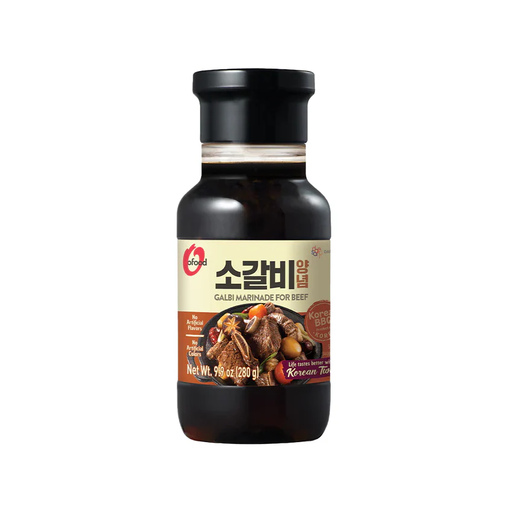
Why This Fits Their Persona: Perfect for those who want to make a classic Korean BBQ (Galbi) without the fuss. This ready-to-use marinade takes the guesswork out of the equation, delivering a consistent, balanced flavour that's a crowd-pleaser.
This is a specific Korean BBQ sauce for beef, not a generic chili sauce. This ensures you get the authentic, sweet-and-savoury flavour that belongs with Galbi.
Contains pear and apple puree for a natural sweetness, a hallmark of traditional bulgogi and galbi marinades.
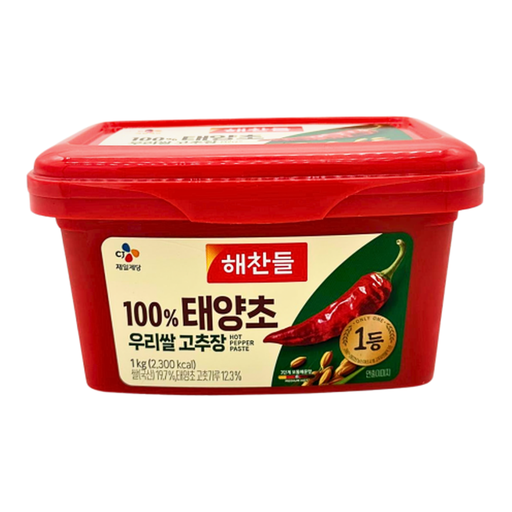
Why This Fits Their Persona: For the cook who loves to be in control and build dishes from scratch. This gochujang is a pure Korean cooking paste, the perfect starting point for countless recipes.
This product bypasses the syrup trap. It's a concentrated paste based on brown rice and chili pepper, not a diluted, sugary sauce.
The large 1 kg container is ideal for frequent use. The fermented brown rice base provides a deep, complex, and savoury flavour.
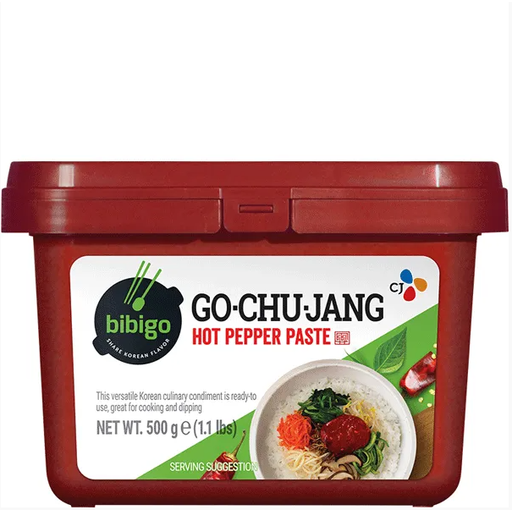
Why This Fits Their Persona: Ideal for those on a plant-based diet who don't want to compromise on the authentic, deep flavour of gochujang. This product offers the full taste experience without any animal-derived additives.
This product tackles the 'hidden ingredients' trap. It's explicitly labelled as 100% vegan, so you don't have to worry about fish extract or other animal products.
According to the manufacturer, Bibigo, the deep umami flavour is achieved through a natural and slow fermentation process, keeping the taste complex even without animal-based ingredients.
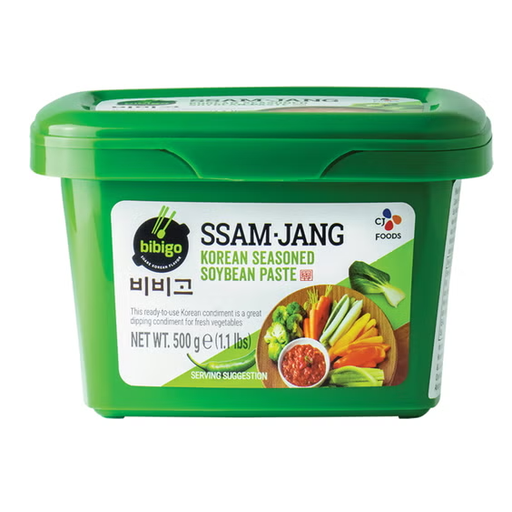
Why This Fits Their Persona: This is ssamjang, the essential sauce for an authentic Korean BBQ experience with 'ssam' (lettuce wraps). It's the perfect dip for grilled meat and vegetables.
Instead of mixing gochujang and doenjang yourself, this product offers the correct, balanced ratio. It avoids the 'one-size-fits-all' mistake by providing a sauce made specifically for this purpose.
A rich, savoury, and mildly spicy paste with additions like garlic, onion, and sesame for a complete flavour. Ready to use straight from the tub.
We've compiled a complete, up-to-date list of products that meet these selection criteria. Find the perfect Korean sauce for your next culinary adventure.
This is a common question. Think of it this way:
Fermented pastes like gochujang and doenjang have a long shelf life due to their high salt content and fermentation process. After opening, they must be stored in the refrigerator. They can often last for many months (sometimes up to a year). Always check the packaging for specific instructions and use your senses: if the colour, smell, or texture changes significantly, it's time to throw it out. Ready-to-use marinades often have a shorter shelf life after opening.
The terms are often used interchangeably, but there can be a slight difference. Bulgogi sauce is specifically a sweet-and-savoury marinade based on soy sauce for the dish bulgogi. Korean BBQ sauce is a broader term that can also include spicier versions, for example, for marinating spicy chicken (dak galbi) or pork (dwaeji bulgogi). In practice, many commercial bulgogi and Korean BBQ sauces are similar in taste. Read the label to see if it's a mild (sweet-and-savoury) or spicy version.
