
Vandaag of morgen in huis

Kwaliteit gegarandeerd

Welkomstaanbiedingen ontgrendelen: GRATIS bezorging | Tot 80% korting | Gratis 30 dagen JoyPlus-proefperiode
Download de app
A new kettle seems like a simple purchase—until you start looking online. You're flooded with hundreds of models, each claiming to be the fastest, quietest, or smartest. Many of these marketing claims lead to buyer's remorse: an appliance that develops a strange taste after a few months, is awkward to use, or was unnecessarily expensive. As a Joybuy Product Recommendation Officer, I'm here to help you cut through the noise and focus on what really matters. Let's review the three most common pitfalls.
Mistake 1: Focusing solely on high wattage. A 3000W kettle sounds impressive, but the difference in boiling time for a single cup of tea is often just a few seconds compared to a 2200W model. Higher wattage doesn't always mean better; it can also lead to more noise and a higher peak load on your electrical circuit.
Mistake 2: Ignoring the material. Budget-friendly plastic kettles can leach a chemical taste into the water over time, especially if they aren't explicitly BPA-free. This is not only unpleasant but also a health concern.
Mistake 3: Paying for features you'll never use. A kettle with 14 settings might seem like a great deal, but if you only boil water for a cup of black tea or instant coffee, you're paying for technology that will go unused.
To avoid a bad purchase, it's better to focus on a few key features. These determine your kettle's lifespan, ease of use, and safety.
The material of the jug is crucial for the water's taste and the appliance's durability.
Not every hot drink requires boiling water. For enthusiasts of specialty tea or coffee, a kettle with temperature control is a game-changer.
The kettle's capacity should match your household's needs.
Based on these criteria, we've selected a few models that suit different users.
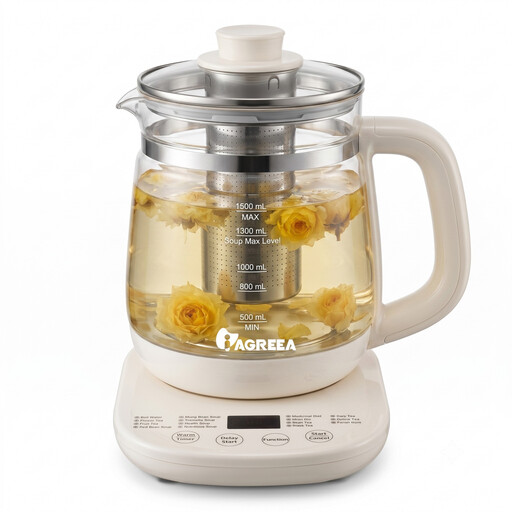
Why This Fits Their Persona: This is more than a kettle; it's a complete tea maker. With 14 pre-programmed settings and precise temperature control from 40°C to 90°C, you can get the most out of delicate teas, herbal infusions, or baby formula.
This model avoids the trap of paying for unused features by offering highly specific, useful programs for the user who wants more than just boiling water.
Made from borosilicate glass; includes a stainless steel tea infuser; 6 adjustable temperatures and a keep-warm function.
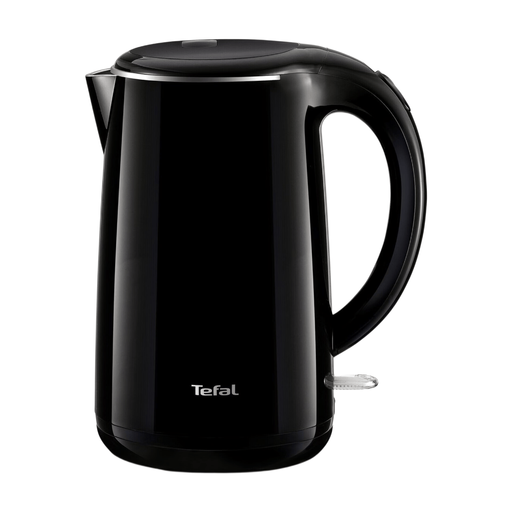
Why This Fits Their Persona: Safety is paramount in a busy household. This double-walled kettle doesn't get hot on the outside, reducing the risk of burns. With a 1.7-litre capacity, there's enough water for everyone.
This model focuses on a core feature: safety. The stainless steel interior prevents the plastic taste of cheaper models, while the double wall solves a practical problem.
Double-walled (cool-touch exterior); stainless steel interior; large 1.7-litre capacity.
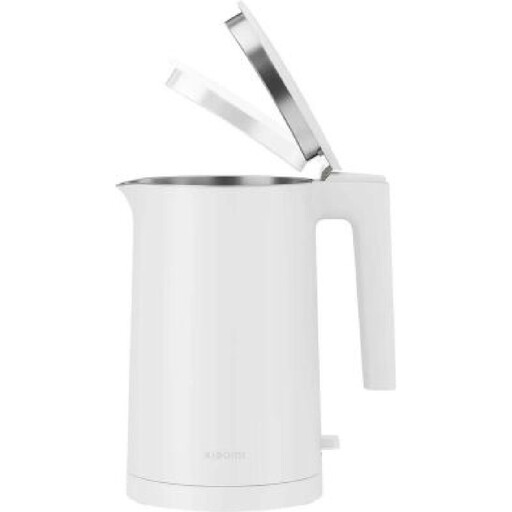
Why This Fits Their Persona: For those who see a kettle not just as an appliance, but as part of their interior design. This sleek, white designer kettle fits perfectly into a modern, minimalist kitchen without sacrificing functionality.
This model proves that great design doesn't have to be expensive. It focuses on a clean aesthetic and reliable core performance, without inflating the price with superfluous extras.
Minimalist white design; BPA-free; concealed heating element for easy cleaning.
We have compiled a complete, up-to-date list of products that fully meet these strict selection criteria and safety standards.
This depends on the water hardness in your area. In areas with hard water, it's advisable to descale your kettle every month. With soft water, once every three months is sufficient. You can do this by boiling a splash of white vinegar with water or by using a special descaling solution. Regular descaling extends the lifespan of your kettle and ensures a better taste.
Not necessarily. A higher wattage (e.g., 2400W or more) makes the water boil faster, which is convenient if you're in a hurry. The downside is that these appliances consume more energy during use and are often noisier. For most households, a wattage between 1800W and 2200W offers a good balance between speed and energy consumption.
A double-walled kettle has two key advantages. First, safety: the exterior remains relatively cool, significantly reducing the risk of burns. This is a major plus in households with young children. Second, insulation: the air layer between the inner and outer walls keeps the water hot for longer, meaning you won't need to re-boil as often.
