
Vandaag of morgen in huis

Kwaliteit gegarandeerd

Welkomstaanbiedingen ontgrendelen: GRATIS bezorging | Tot 80% korting | Gratis 30 dagen JoyPlus-proefperiode
Download de app
Ketchup. It's probably in your refrigerator door, ready for fries, a grilled cheese sandwich, or a hamburger. But when you're standing in front of the shelf, the choice can be overwhelming. One bottle promises an "authentic taste," while another claims "less sugar." How do you make a choice that suits your taste and household without falling for the typical marketing traps?
Many people pay unnecessarily for a brand name or choose a variety that turns out to be full of hidden sugars. Let's look at the most common pitfalls:
ketchup deal, but is it really, when you compare the price per 100 ml? And will that large bottle even fit in your refrigerator door?By paying attention to these points, you can avoid a bad purchase and find the ketchup that's truly right for you.
You don't need to be a nutritionist to make a good choice. By focusing on a few concrete specifications, you can see through the marketing and objectively assess the quality of a ketchup.
The amount of sugar is one of the biggest differentiators between ketchups. A standard tomato ketchup can contain as much as 20 to 25 grams of sugar per 100 grams. That's comparable to soda. Look on the label for the line "of which sugars" under "Carbohydrates." This provides the clearest indication.
Fortunately, for those consciously looking to reduce their sugar intake, there is a growing selection of sugar-free ketchup or reduced-sugar options. These varieties often use sweeteners (like stevia or sucralose) to maintain the sweet taste but contain significantly fewer calories. Also, compare the salt content, especially if you're cooking for children or following a low-sodium diet.
A good indicator of flavour intensity is the amount of tomato used. Many packages state this as: "made with X grams of tomatoes per 100 grams of ketchup". A higher number typically means a richer, fuller tomato flavour because more tomato paste was used. A value of 140 grams or more often indicates a concentrated taste. Products with lower tomato content may be more watery or rely more on sugar and spices for their flavour.
While classic tomato ketchup is the norm, there's a world of flavours to discover. Consider curry ketchup, which adds a spicy and often slightly zesty note to dishes. For the adventurous eater, there are varieties with unique additions like kimchi, which add a spicy, fermented flavour. Even the snack world is embracing the taste, with products like ketchup chips that deliver the recognizable sweet-and-sour flavour in a crispy form. Be open to variety; you might just find a new favourite.
Based on objective product features, we have highlighted several popular choices that suit different needs and preferences.
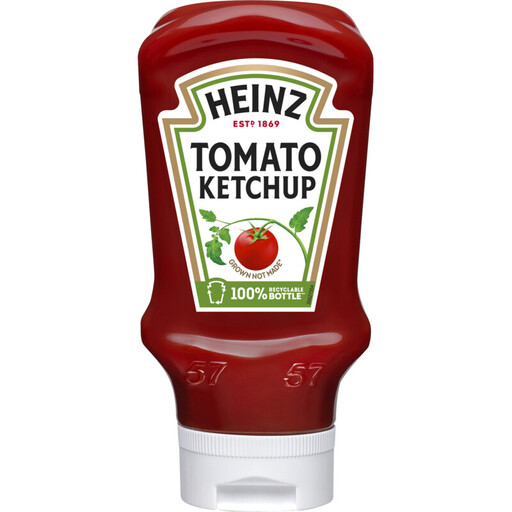
Why This Fits Their Persona: For families, a recognizable flavour that everyone enjoys is essential. This classic Heinz ketchup is the standard for many, and the large bottle is practical for regular use with fries, pasta, or toasted sandwiches.
This product bypasses the "vague classic taste" pitfall by being the benchmark itself. You know exactly what you're getting: the unmistakable flavour the brand is famous for.
Made with 148 grams of tomatoes per 100 grams of ketchup for a full flavour. Free from artificial colours and preservatives, according to the manufacturer.
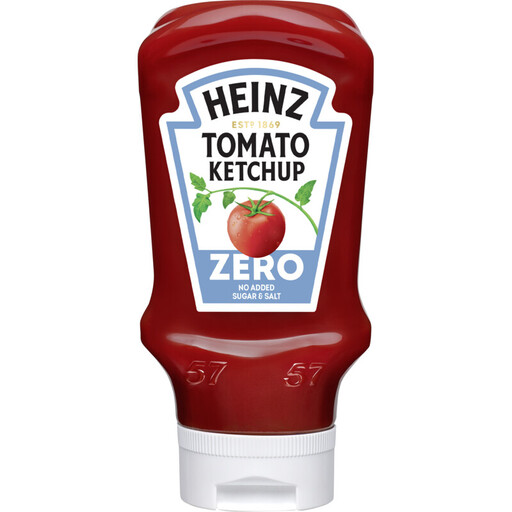
Why This Fits Their Persona: Ideal for those who actively monitor their sugar and salt intake but don't want to compromise on taste. This sugar-free (and salt-free) ketchup fits perfectly into a conscious lifestyle.
This product directly tackles the "healthy illusion" trap. The "0%" claim isn't a vague promise but a concrete specification: no added sugar or salt, with a Nutri-Score A.
Contains only 4.4 grams of sugar per 100 grams (from tomatoes). Made with an impressive 200 grams of tomatoes per 100 grams of ketchup, ensuring a rich flavour.
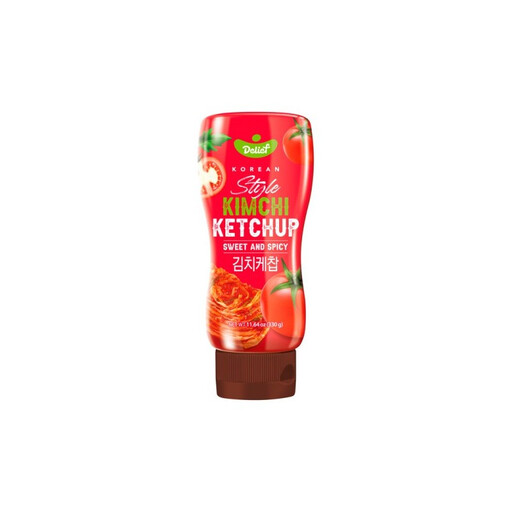
Why This Fits Their Persona: For those who are tired of standard flavours and want to try something new. This ketchup combines the sweet base of tomato ketchup with the spicy, sour taste of Korean kimchi.
This product breaks the monotony of "classic taste." It offers a unique flavour profile you won't easily find from the major, established brands, so you're paying for an experience, not just a name.
A unique flavour combination that gives an exciting twist to ordinary dishes like hamburgers, toasted sandwiches, or even rice bowls. Versatile as a dipping sauce or flavouring.
Didn't find what you were looking for? We've compiled a complete, up-to-date list of products that meet these selection criteria.
Regular tomato ketchup has a base of tomatoes, vinegar, sugar, and salt, resulting in a sweet-and-sour taste. Curry ketchup (or currygewürz) adds a mix of spices to this base, with curry powder as the main ingredient. This gives the sauce a warmer, spicier, and sometimes slightly zesty flavour, which is popular in Germany and the Netherlands, especially with a 'frikandel speciaal' (a type of Dutch sausage snack).
Most manufacturers recommend refrigerating ketchup after opening. Due to its high acid and sugar content, it is a relatively stable product. Generally, an opened bottle will stay good in the refrigerator for several weeks to months. Always consult the label on the packaging for the manufacturer's specific storage instructions. The flavour and colour may degrade slightly over time.
When choosing a sugar-free ketchup, it's helpful to see which sweeteners are used (e.g., sucralose, stevia). The taste can vary depending on the sweetener. Also, pay attention to the tomato content. Since sugar acts as a flavour enhancer, the better sugar-free varieties often have a higher tomato content to ensure a full, rich taste. Compare the nutritional information table to make sure the product is genuinely low in sugars.
