
Vandaag of morgen in huis

Kwaliteit gegarandeerd

Welkomstaanbiedingen ontgrendelen: GRATIS bezorging | Tot 80% korting | Gratis 30 dagen JoyPlus-proefperiode
Download de app
A glass of freshly pressed juice is a simple way to boost your fruit and vegetable intake. But the search for the right machine can be overwhelming. A high-speed centrifugal juicer, a nutrient-preserving slow juicer, or a simple electric citrus press? The choices are vast, and the specifications can often be confusing.
This article is designed to be a practical guide. We'll explain the differences, offer concrete tips on what to look for, and highlight several popular models. This way, you can make an informed choice that fits your needs and lifestyle, without the marketing jargon.
Before you buy a juicer, it's helpful to consider a few key points. Your ideal machine will depend on what you plan to juice, how often you'll use it, and how much time you're willing to spend on cleanup.
The terms are often used interchangeably, but there are clear differences:
Centrifugal Juicer: This machine operates at high speed. Fruits and vegetables are spun against a grater, and the juice is forced through a sieve.
Slow Juicer (Cold Press Juicer): This machine crushes and presses ingredients at a low speed.
cold press juicer refers to the minimal heat generated during the process.Electric Citrus Press: Specifically designed for juicing citrus fruits like oranges, lemons, and grapefruits.
No one wants to spend half an hour on cleanup after making juice. An easy-to-clean juicer is a common requirement. Look for models with dishwasher-safe parts, a smooth finish, and possibly a pre-clean function. A juicer with a wide feed chute (e.g., 80 mm or more) also saves you significant prep time, as you can insert whole apples or large pieces of vegetables directly.
Below is a selection of models that stand out for their specifications and functionality, each suited for a different type of user.
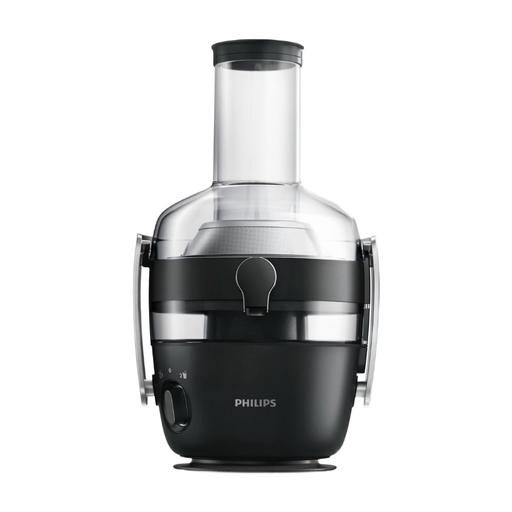
Why It Stands Out This Philips centrifugal juicer is designed for efficiency. With a powerful 1000W motor and an XXL 8 cm feed chute, you can quickly process large quantities of hard fruits and vegetables. A key feature is the FiberBoost technology. According to Philips, this allows you to choose the texture of your juice with the flip of a switch: from clear to a creamier juice with up to 50% more fibre. The QuickClean technology and pre-clean function are aimed at simplifying the cleaning process.
Key Features
Who Is It For? For families or anyone who wants to make juice from primarily hard fruits and vegetables quickly and easily. If you value speed and a large capacity, this is a solid choice.
View the Philips Avance Collection Juicer HR1919/70
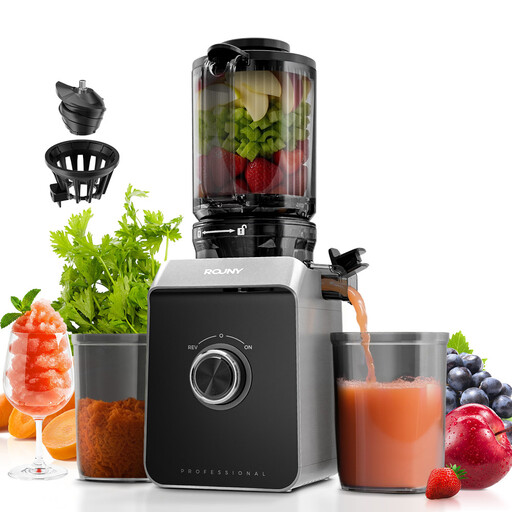
Why It Stands Out This slow juicer from ROUNY tackles several common pain points. The exceptionally wide 130 mm feed chute is unique in its class, allowing you to add whole apples or peeled oranges at once. The filter-free design is a major plus for cleaning; instead of a hard-to-clean metal sieve, you simply rinse the parts under the tap. As an added bonus, this machine can also make sorbet from frozen fruit.
Key Features
Cold press technology (50 RPM) for high juice yield, even with leafy greens.Who Is It For? For the health-conscious user who wants to get the most out of their ingredients, including leafy greens. Ideal if you dislike cleaning and appreciate the versatility of a sorbet function.
View the ROUNY Slow Juicer FF Pro Max
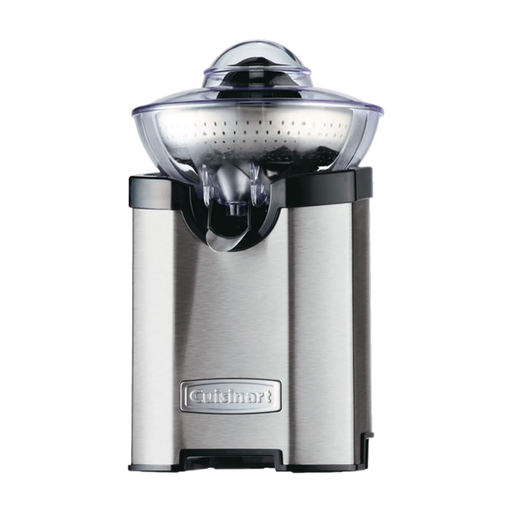
Why It Stands Out Sometimes, simplicity is best. This electric citrus press from Cuisinart does exactly what it's supposed to do, and does it well. The robust stainless steel housing gives it a durable feel. The reamer is designed for various sizes of citrus fruits, from limes to grapefruits. The convenient anti-drip spout ensures every drop lands in the glass, not on your counter. After use, the removable parts can go straight into the dishwasher.
Key Features
Who Is It For? Perfect for anyone who wants a quick glass of fresh orange or grapefruit juice in the morning. If you don't need to juice vegetables or other fruits, this is a reliable and practical choice.
View the Cuisinart CCJ210E Electric Citrus Press
Is your ideal model not listed here, or do you want to compare more choices? Everyone has different needs when it comes to making juice. Perhaps you're looking for a more compact model, a different price range, or specific features.
Explore Our Full Range of Juicers
A centrifugal juicer uses high speed (centrifugal force) to spin juice out of fruits and vegetables. This is fast and effective for hard produce. A slow juicer uses a low speed to crush and press ingredients. This process takes longer but often yields more juice from leafy greens and soft fruit, and results in less foam.
The golden rule is: clean it immediately after use. Rinse the parts under the tap to prevent pulp and sugars from drying and caking on. Many modern machines have dishwasher-safe parts, which significantly speeds up the process. Some models, like the Philips mentioned above, have a pre-clean function. Models with a filter-free design, like the ROUNY, are typically the easiest to clean.
Most centrifugal juicers are great at processing hard fruits and vegetables like apples, carrots, pears, and beets. For soft fruits (berries, mango) and leafy greens (spinach, kale), a slow juicer is often more efficient. Fruits with very low water content, like bananas and avocados, are not suitable for juicing and are better used in a blender for a smoothie.
