
Vandaag of morgen in huis

Kwaliteit gegarandeerd

Welkomstaanbiedingen ontgrendelen: GRATIS bezorging | Tot 80% korting | Gratis 30 dagen JoyPlus-proefperiode
Download de app
A steaming bowl of instant noodles: for many, it's the perfect quick meal. But the disappointment is immense when the packet's contents bear no resemblance to the delicious photo on the packaging. You're left with a watery broth, limp noodles, and a flavour that's mostly salt—not the authentic Asian experience you were promised.
As a Joybuy Product Recommendation Officer, I see daily how people get overwhelmed by the sheer number of options. The shelves are packed, but how do you choose genuinely good instant noodles? Let's avoid the most common pitfalls.
By paying attention to a few key points, you can avoid these disappointments and make the right choice straight away.
Before you randomly grab a packet off the shelf, take a look at these three specifications. They determine 90% of your eating experience.
Not all noodles are created equal. The texture, or ‘bite’, is largely determined by how they are made.
Check the packaging for terms like "non-fried" or look at the ingredients list to see what type you're holding.
The flavour comes from the included sachets. A quick glance at what's inside tells you a lot about the complexity of the taste.
More sachets don't always mean better, but a combination of powder, paste/oil, and toppings usually indicates a more layered flavour profile.
Think about where and when you want to eat the noodles. That makes the choice of packaging much simpler.
Based on the criteria above, we've selected a few options that cater to different preferences.
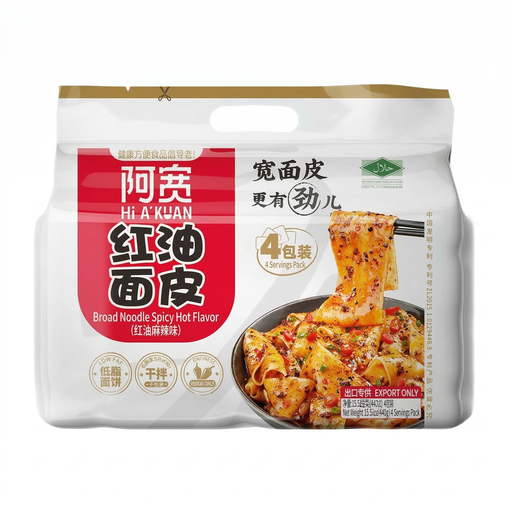
Why This Fits Their Persona: For those who are done with standard soup noodles and are seeking an authentic, spicy Sichuan experience. These are dry noodles (without soup) that you mix with a rich sauce. The focus is on the texture of the noodles and the complex flavour of the chilli oil.
The non-fried, broad noodles prevent the ‘limp noodle disappointment’ with their firm, elastic bite. The rich red chilli oil (Red Oil) delivers a layered, aromatic heat instead of a one-dimensional flavour.
Authentic Sichuan flavour with a focus on chilli oil. The broad, non-fried noodles offer a unique and satisfying texture. Preparation is by steeping; no cooking required.
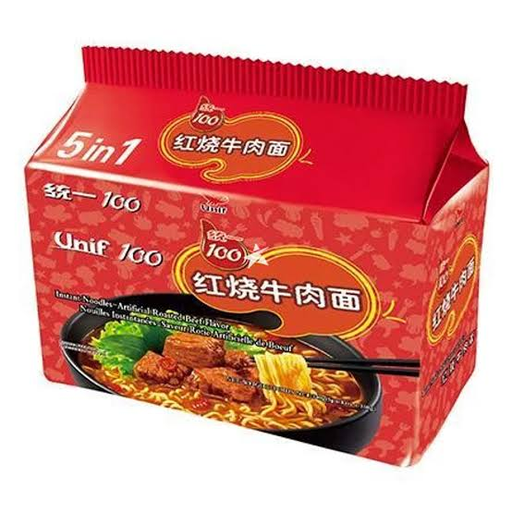
Why This Fits Their Persona: Ideal for those looking for a classic, comforting meal. This is a typical ramen noodle soup with a deep, savoury flavour of braised beef. A familiar and consistently good choice for a quick, warm lunch or dinner.
This product delivers what it promises: a rich, flavourful beef broth. It avoids the pitfall of a watery, salty soup by using a combination of a powder and a paste sachet for a deeper flavour.
Classic, deep flavour of braised beef. The noodles are supple, and the broth is rich and savoury. A reliable choice for a satisfying noodle soup.
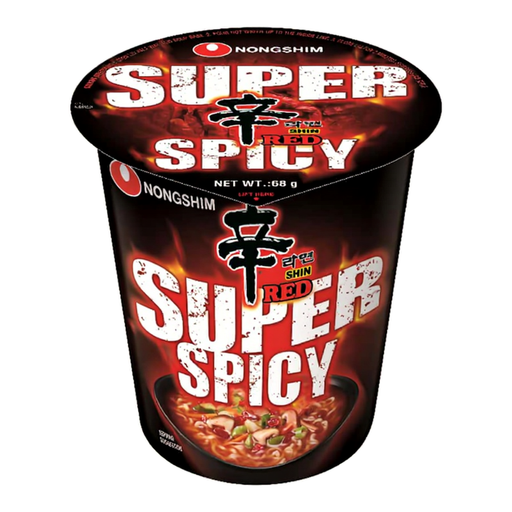
Why This Fits Their Persona: Convenience is everything. For those moments when you need a quick, hot, spicy meal without any fuss. Perfect for your dorm room or during a short lunch break at the office. Just add boiling water, and you're ready to go.
This cup noodle is exactly what it claims to be: a quick, spicy Korean ramen. No misleading packaging, no complicated steps. It delivers a consistent, flavourful, and spicy experience in a convenient bowl.
Maximum convenience: ready in minutes with only hot water. The well-known and beloved spicy flavour of Nongshim Shin Ramyun. Ideal for on the go or a quick snack.
How can I make my instant noodles taste better? A simple way to elevate your noodles is by adding fresh ingredients. Think of a soft-boiled egg, some finely chopped spring onions, fresh bean sprouts, or some leftover chicken or tofu. A dash of soy sauce, sesame oil, or a bit of sriracha can also add extra depth to the flavour.
What is the difference between non-fried and fried noodles? The main difference lies in the production method and the texture. Fried noodles cook quickly and have a lighter texture. Non-fried noodles are often air-dried or steamed, resulting in a firmer, more elastic ‘bite’. They might need an extra minute to cook, but many enthusiasts prefer this texture.
How spicy are 'spicy noodles,' really? The level of spiciness varies enormously by brand and product. Korean ramen, like those from Nongshim, are known for their powerful, lingering heat. Chinese noodles with Sichuan chilli oil often have a ‘málà’ effect: a combination of spiciness (là) and a numbing, tingling sensation (má) from the Sichuan pepper. Read the description carefully, and if you're unsure, start with half of the chilli oil sachet and add more to taste.
