
Vandaag of morgen in huis

Kwaliteit gegarandeerd

Welkomstaanbiedingen ontgrendelen: GRATIS bezorging | Tot 80% korting | Gratis 30 dagen JoyPlus-proefperiode
Download de app
Instant noodles are a staple in many kitchen cupboards. They are the perfect solution for a quick meal after a long day at work, an affordable lunch for students, or simply a savory snack. But the sheer variety can be overwhelming. One package promises an authentic Asian experience, while another boasts its extreme spiciness. How do you know what you're really getting?
Many people fall into a few common pitfalls. The first is misleading packaging: an image of a richly filled bowl, while the contents consist of a small block of noodles and a single seasoning packet. Another pitfall is the vague claim of "authenticity." This often says little about the actual taste, which can be disappointing and more like a generic broth. It's a waste of your money and leads to disappointment. This guide helps you look past the marketing and make a choice that suits your taste and lifestyle.
To avoid a bad purchase, it's helpful to pay attention to a few basic characteristics. These specifications determine the final eating experience more than the flashy packaging.
One of the most important choices is the type of dish. Do you want a steaming bowl of soup or a plate of stir-fried noodles?
The noodle itself is the backbone of the dish. The material affects the texture, cooking time, and how well the sauce is absorbed.
Asian noodles are known for their complex flavors. Spicy noodles are a category in themselves, especially Korean ramen from brands like Samyang. The packaging often gives an indication, but pay attention to the description. "Hot chicken" usually means a serious challenge, while "spicy" can range from a mild tingle to quite hot. Look at the ingredients: the presence of gochujang (Korean chili paste) or specific chili extracts usually indicates a higher spice level.
Based on clear product features and different use cases, we have highlighted a few choices that fit specific preferences.
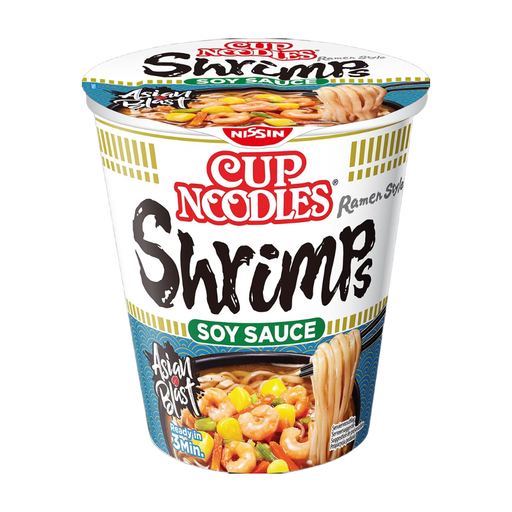
Why This Fits Their Persona: Ideal for students or time-crunched professionals. These cup noodles are the definition of convenience: add hot water, wait 3 minutes, and you're done. No dishes, no fuss. Perfect for the office or a quick bite between tasks.
This product doesn't pretend to be a five-course meal. It's an honest, quick meal. The flavor is consistent, and the contents match the expectation of a cup noodle, without exaggerated promises.
3-minute preparation time. The combination of soy sauce and shrimp is a classic, accessible flavor. Minimal cleanup required.
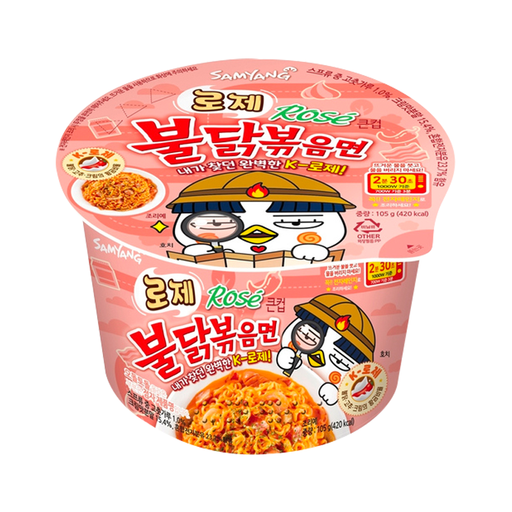
Why This Fits Their Persona: For those looking for a serious kick. Samyang is the go-to brand for spicy Korean ramen. This 'Rose' version combines the famous 'hot chicken' flavor with a creamy sauce, creating an interesting balance between heat and smoothness.
Samyang is upfront about its spice level; it's their trademark. You get exactly the intense heat that's promised, unlike products that vaguely claim to be 'spicy' and disappoint.
Combines intense heat with a creamy sauce for a layered flavor. The noodles are thick and chewy, holding the sauce well.
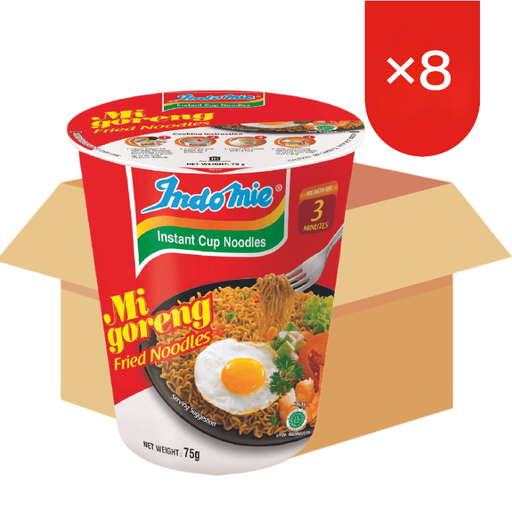
Why This Fits Their Persona: For those who want something different from soup. Indomie Mi Goreng is an Indonesian classic. These 'dry' noodles offer a unique combination of sweet, salty, and savory flavors, replicating an authentic street-food experience.
The claim of 'authentic' flavor is substantiated here by the multiple seasoning packets (sweet soy sauce, chili, seasoning oil, fried onions). This creates a complex flavor that goes far beyond a single broth packet.
Unique stir-fry style that differs from most instant noodles. The combination of different seasonings creates a rich and satisfying dish.
We've compiled a complete, up-to-date list of products that meet these selection criteria and practical considerations.
One of the easiest ways to elevate your noodles is by adding fresh ingredients. A soft-boiled egg, some finely chopped spring onions, a handful of bean sprouts, or some leftover vegetables can turn a simple bowl of noodles into a more filling and nutritious meal. A dash of soy sauce or a bit of chili oil can also add extra depth of flavor.
The main difference is convenience. Cup noodles only require boiling water, and the cup itself serves as a bowl, which is ideal for on-the-go or at the office. Packet noodles need to be cooked in a pot. However, this gives you more flexibility to add extra ingredients like vegetables or meat during the cooking process. The noodles in packets also often have a slightly different texture.
Yes, absolutely. While most instant noodles are wheat-based, alternatives do exist. For example, there are noodles made from rice flour, which often have a lighter texture. Additionally, there are Japanese soba noodles, which are made from buckwheat and have a firmer, nuttier flavor. Always read the ingredients list on the packaging to see what grain the noodles are made from.
