
Vandaag of morgen in huis

Kwaliteit gegarandeerd

Welkomstaanbiedingen ontgrendelen: GRATIS bezorging | Tot 80% korting | Gratis 30 dagen JoyPlus-proefperiode
Download de app
Instant noodles are more than just a quick meal for students. The market has grown exponentially, with flavours that transport you to the streets of Seoul, Jakarta, or Bangkok. But with this enormous selection, finding the right one has become more challenging. Many packages promise an "authentic" experience but deliver a disappointing, soggy meal.
As a Product Recommendation Officer at Joybuy, I see where things go wrong every day. Before you fill your shopping cart, it's wise to know the most common pitfalls that lead to a purchase you'll regret.
To avoid these disappointments, it's helpful to pay attention to a few specific details. These determine the texture, flavour, and the entire eating experience.
Not all Asian noodles are the same. The type of noodle is crucial for the texture and determines which dish it's suitable for.
This is perhaps the most important factor in preventing a culinary disaster. Always check the packaging for the preparation instructions.
Don't be guided by a generic "chicken" or "beef" flavour. The origin of the noodles tells you much more about what to expect.
Based on these criteria, we have selected a few popular choices that suit different preferences and situations.
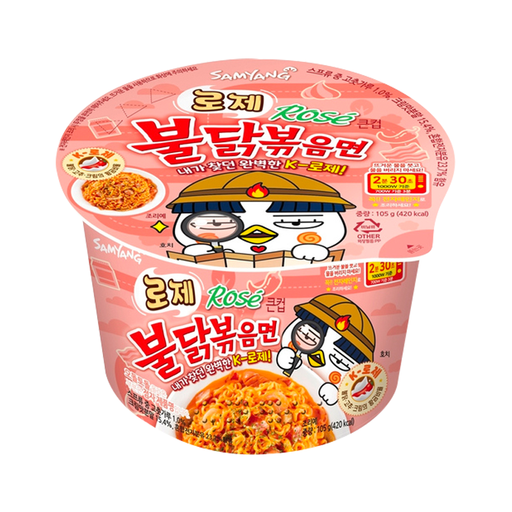
Why This Fits Their Persona: Ideal for lovers of spicy noodles who never back down from a 'spicy food challenge'. The creamy 'rose' sauce, based on cream and milk, balances Samyang's iconic heat, creating a unique and rich flavour experience.
This product bypasses the 'spicy lottery'. Samyang is known for a predictable and very high level of heat. You know exactly what challenge you're taking on.
The combination of intense heat with a creamy sauce is unique in the world of instant noodles. The bowl packaging makes it a convenient quick meal.
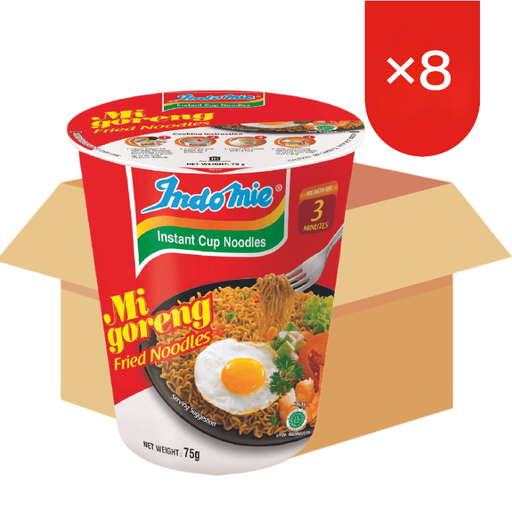
Why This Fits Their Persona: Perfect for students and professionals looking for an easy and quick meal for the office or at home. These cup noodles only require hot water, and cleanup is minimal.
This product is specifically designed as a stir-fry dish in a cup, including a convenient draining lid. This helps you avoid the classic mistake of a watery Mi Goreng.
Offers the iconic sweet and savoury flavour of Indomie Mi Goreng in its most convenient form. Ready in 3 minutes without any extra pots or pans.
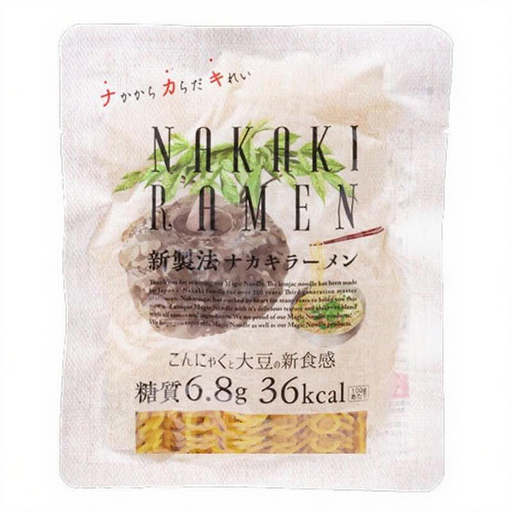
Why This Fits Their Persona: For those looking for a light, guilt-free meal. This ramen is made from konjac, contains 0 calories according to the manufacturer, and is gluten-free. A smart choice for anyone watching their calorie intake but still craving ramen.
This product breaks the mould of high-calorie wheat noodles. It offers a transparent, low-calorie alternative without vague health claims, focusing on the specific properties of konjac.
According to Nakaki's specifications, this product contains 0 kcal per serving. The noodles are high in fibre, and the soy sauce broth provides a savoury flavour.
Most instant noodles are an excellent base that you can easily enhance. For example, add a soft-boiled egg, some finely chopped spring onions, fresh bean sprouts, or some leftover vegetables. A dash of soy sauce or a bit of chilli oil can also add an extra dimension of flavour.
The core difference lies in the preparation and the final result. Buying ramen usually means you're getting a noodle soup, where the noodles and broth are served together. Mi Goreng is the Indonesian term for "fried noodle." This is a "dry" noodle dish where you drain the cooking water and mix the noodles with sauces and seasonings.
No, definitely not. Although Korean ramen is famous for its spiciness, there are plenty of mild options. A popular example is Jjajangmyeon, like the SAMYANG Black Bean Sauce Ramen. This dish has a thick, savoury, and slightly sweet black bean sauce and is not spicy at all. It's a great way to explore Korean cuisine without the intense heat.
