
Vandaag of morgen in huis

Kwaliteit gegarandeerd

Welkomstaanbiedingen ontgrendelen: GRATIS bezorging | Tot 80% korting | Gratis 30 dagen JoyPlus-proefperiode
Download de app
The instant noodle aisle has exploded in recent years. What was once a simple choice is now a maze of flavors, brands, and textures. For anyone looking for a quick, flavorful meal, it's easy to make the wrong choice. Many packages promise an authentic Asian experience, but the reality is sometimes a disappointing, salty soup with limp noodles.
As a Joybuy Product Recommendation Officer, I'll help you see through the marketing fluff. We'll focus on what really matters, so your money isn't wasted on a subpar meal. Let's look at the three most common pitfalls when buying instant noodles.
To bypass these pitfalls, it's helpful to pay attention to a few concrete product features. These specifications give a much better idea of what to expect than the flashy marketing on the front.
Not all noodles are created equal. The foundation of your meal is determined by the type and thickness of the noodle.
Look beyond just "chicken" or "beef." The origin and specific flavor profile tell you much more.
Pay close attention to the instructions. There's a big difference between noodles meant for soup and noodles that you drain and mix with a sauce ('dry' or 'stir-fry' style). Dry varieties, like many teriyaki or Buldak noodles, have a more concentrated and intense flavor because the sauce isn't diluted with water.
Based on objective product characteristics, we have selected a few options that suit different preferences.
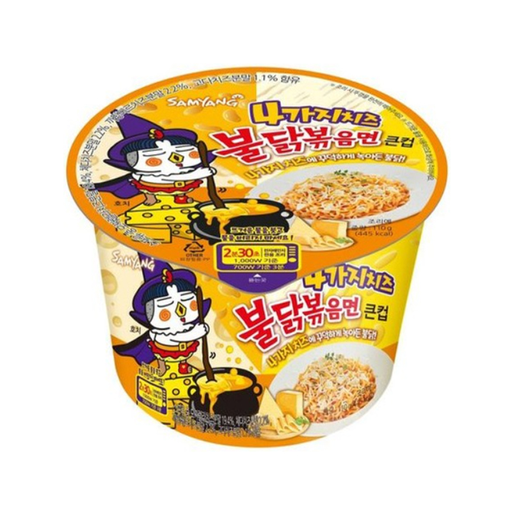
Why This Fits Their Persona: Ideal for those who seek the challenge of the famous Samyang Buldak spiciness, but with a creamy twist. The cheese balances the heat and adds a savory flavor dimension, which is popular with fans of modern Korean noodles.
The cheese powder provides a rich, complex flavor alongside the spiciness, avoiding a one-dimensional 'hot' experience. The thick noodles stay firm and don't get mushy.
Combination of intense spiciness and creamy cheese. Thick, chewy noodles that hold their texture.
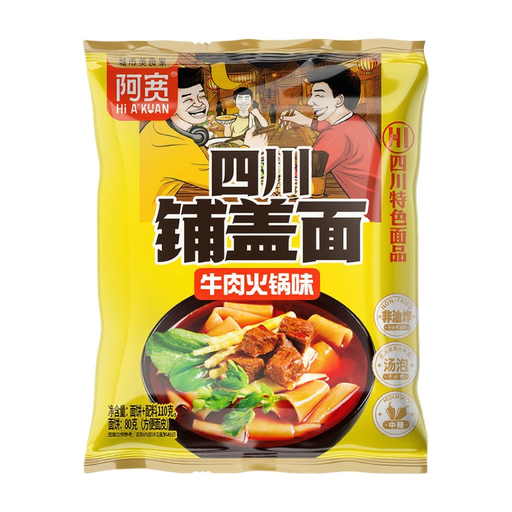
Why This Fits Their Persona: For the adventurous eater who is bored with standard ramen and wants to try something new. These unique, wide "bedsheet noodles" from Sichuan offer a completely different eating experience.
The wide, flat noodles offer a satisfying, firm texture that is a far cry from the limp noodles in cheaper packets. They absorb the rich, aromatic broth perfectly.
Unique, wide noodle texture. Rich and deep flavor of a Sichuan beef hot pot broth.
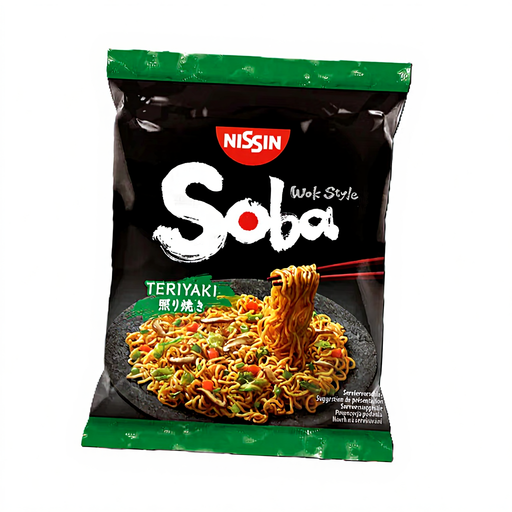
Why This Fits Their Persona: A classic, non-spicy choice for a quick lunch or dinner. The teriyaki flavor is recognizable, accessible, and loved by a wide audience looking for convenience without extreme flavors.
These are 'dry' stir-fry noodles, so you avoid a watery, tasteless soup. The teriyaki sauce provides a distinct, sweet-and-savory flavor that coats the noodles well.
Very quick preparation as a stir-fry noodle. Classic, sweet and savory teriyaki flavor from a well-known brand.
We have compiled a complete, up-to-date list of products that meet these selection criteria. Find the perfect Asian noodles for your taste.
The easiest way to improve your instant noodles is by adding fresh ingredients. A soft-boiled egg, some finely chopped spring onions, fresh mushrooms, a slice of cheese, or some leftover chicken or pork can transform a simple meal. A dash of sesame oil or soy sauce can also deepen the flavor.
Although the terms are often used interchangeably, there are general differences. Japanese noodles (ramen) often emphasize the complexity of the broth, such as creamy tonkotsu or savory miso. The noodles are usually straight and thinner. Korean noodles (ramyeon) are known for their often spicier and more powerful flavors. The noodles are typically thicker, curly, and have a more chewy texture.
This remains a challenge. Some brands list a Scoville Heat Unit (SHU) score, but this is rare. A good rule of thumb is to look for visual cues on the packaging: more flames or chili peppers usually means hotter. Also, read the product descriptions for terms like "2x Spicy" or "Hot." If in doubt, start with a less spicy version from the brand or use only half of the seasoning packet at first.
