
Livraison le jour même et le lendemain

Qualité garantie

Débloquez vos offres de bienvenue: Livraison GRATUITE | Jusqu'à -80 % | 30 jours d'essai gratuits à JoyPlus
Téléchargez l'application
The shelves, both in physical stores and online, are overflowing with instant noodles. The packaging promises an authentic Asian meal in minutes. But the reality is sometimes a disappointment: a soggy mess, a bland and unidentifiable taste, or a level of spice you didn't see coming. Before you end up with a pantry full of bad buys again, it's helpful to know what to look for.
Many buyers fall into a few common traps. The first is the packaging that depicts a rich noodle soup with fresh vegetables and perfectly cooked meat, while the contents often consist only of noodles and a sachet of powder. A second pitfall is the vague claim of "authentic flavor." This says little about the origin, the type of noodle, or the specific taste you can expect. Finally, there's the "spicy" roulette: one time it's a mild tingle, the next you need a fire extinguisher.
To make a good choice, it's useful to look beyond the front of the package. Three simple points of focus can help you find the right instant noodles for your taste and the occasion.
Not all noodles are created equal. The texture and shape determine a large part of the eating experience.
Check carefully whether the product is intended as a noodle soup or as a stir-fry noodle dish.
A look at the ingredient list or the description reveals what you're actually getting. Some packets contain only a powder sachet. More complete varieties come with a separate oil or paste packet for a deeper flavor, and a sachet of dried vegetables like spring onion, cabbage, or carrot. This makes the difference between a simple snack and the foundation for a complete quick meal.
Based on clear product characteristics, we have selected a few options that suit different preferences.
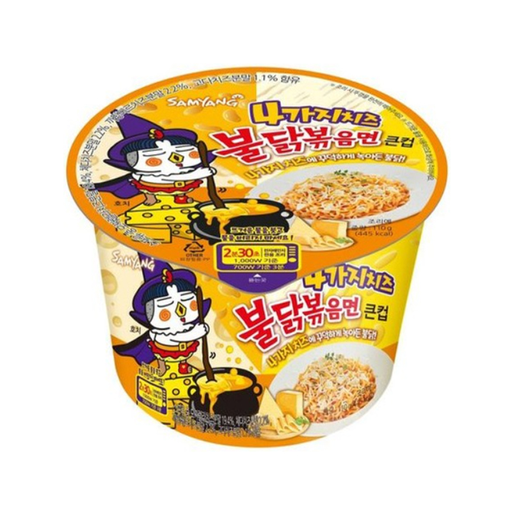
Why This Fits Their Persona: For those who don't shy away from the challenge of the infamous Samyang noodles. This version combines the intense heat of the 'Fire Chicken' flavor with the creaminess of four types of cheese, which slightly balances the spiciness.
The name 'Fire Chicken' leaves no doubt about the spice level. You know exactly what you're getting into. This isn't a vague 'spicy' claim, but a promise of serious heat.
The combination of the famous spicy chicken flavor with a cheese powder creates a creamy, savory, and very hot meal. It's a stir-fry noodle, not a soup.
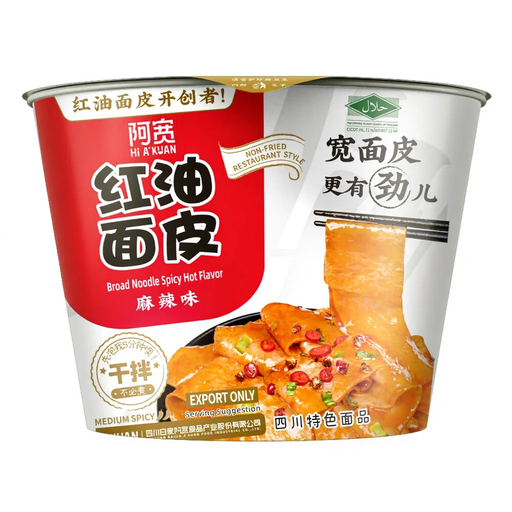
Why This Fits Their Persona: Ideal for the adventurous eater who wants to experience the specific 'mala' flavor from Sichuan cuisine. This is more than just spicy; it's a combination of spiciness (la) and a distinctive, tingling numbness (ma) from Sichuan peppercorns.
This product avoids the vague 'Asian' claim by delivering a very specific, regional flavor. The non-fried, wide noodles are an authentic feature that suits this type of dish.
The unique, elastic texture of the wide noodles holds the sauce well. The combination of chili oil, powder, and vinegar creates a complex and layered taste experience.
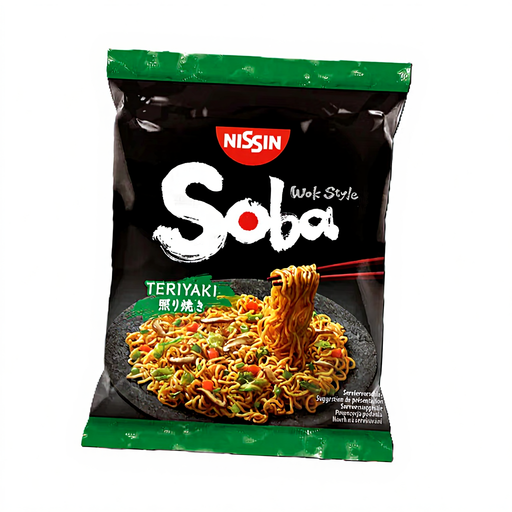
Why This Fits Their Persona: Perfect for those seeking a quick, reliable, and flavorful meal without extreme tastes. The sweet and savory teriyaki sauce is a well-known and beloved flavor from Japanese cuisine, ideal for lunch or an easy dinner.
The name and description make it clear that this is a 'wok style' stir-fry noodle, not a soup. The teriyaki flavor is specific and predictable, so you get exactly what you expect.
Very quick preparation time and a reliable, accessible flavor. The included sauce is well-balanced, and the noodles have the signature texture of Nissin Soba.
We've compiled a complete, up-to-date list of products that meet these selection criteria.
Most instant noodles are an excellent base. You can easily enrich them by adding a soft-boiled egg, some finely chopped spring onions, strips of omelet, or leftover chicken or vegetables. A dash of soy sauce or a little sesame oil can also deepen the flavor.
Although both are often referred to as 'ramen', there are differences. Japanese noodles in the ramen style are often served in a broth based on miso, soy, or pork bones (tonkotsu) with a focus on umami. Korean ramen is known for its robust and often spicy flavors, such as the famous kimchi or gochujang broths.
No, definitely not. The term 'spicy' is broad. Some noodles, like those with a chili-soba flavor, offer a mild, pleasant heat. Brands like Samyang, on the other hand, are known for their extreme spiciness. Read the description carefully and look for terms like 'fire', 'hot', or 'mala' to get an idea of the heat level.
