
Vandaag of morgen in huis

Kwaliteit gegarandeerd

Welkomstaanbiedingen ontgrendelen: GRATIS bezorging | Tot 80% korting | Gratis 30 dagen JoyPlus-proefperiode
Download de app
Instant noodles are a staple in many kitchen cupboards. They're perfect for a quick lunch, a late-night snack, or an easy meal after a busy day. But the vast selection can be overwhelming. The packaging promises an authentic Asian meal, but the reality is sometimes a disappointingly salty or bland bowl of noodles.
Before you stock up, it's wise to know what to look for. Common pitfalls include:
To avoid disappointment, it's helpful to look beyond the marketing. Pay attention to a few specific product characteristics that determine quality and flavour.
The noodle itself is the star of the show. Its texture and flavour are determined by its type.
The contents of the flavour sachets determine the depth of your meal.
The choice between cup noodles and packets depends on your situation.
Based on these criteria, we have selected a few popular choices that suit different preferences and situations.
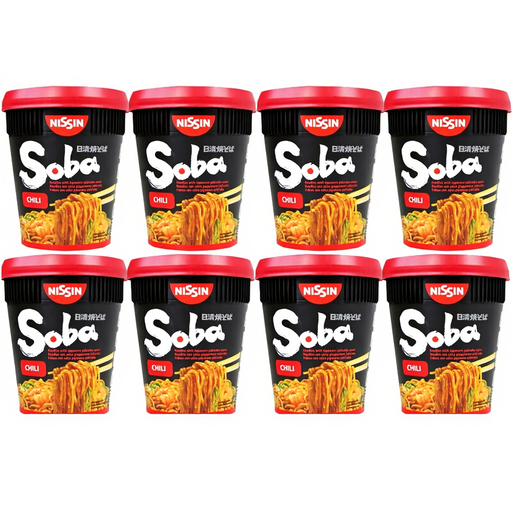
Why This Fits Their Persona: Perfect for a quick and flavourful lunch at the office or a hassle-free meal after a long workday. The cup packaging with its draining system is extremely practical and minimises washing up.
This product delivers a specific, savoury chilli sauce instead of a generic 'spicy' powder. The soba noodles offer a distinctly different texture from standard wheat noodles.
Ready in minutes. It's a 'dry' noodle dish (yakisoba-style), a welcome change from the standard soup varieties.
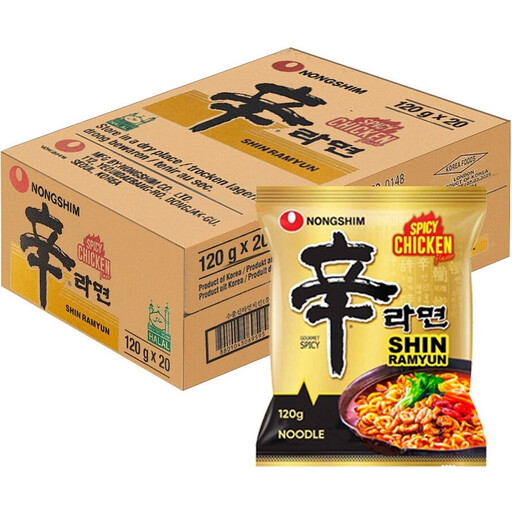
Why This Fits Their Persona: For those actively seeking the signature spicy kick of authentic Korean noodles. This is not a mild meal, but a flavour experience for the true lover of spicy food.
Shin Ramyun is a global benchmark for Korean instant ramyun. The flavour is consistent and delivers the promised deep, savoury, and spicy broth without false promises.
The broth combines chilli, garlic, and a savoury base for a satisfying depth. The noodles are thicker and hold their 'chewy' texture well.
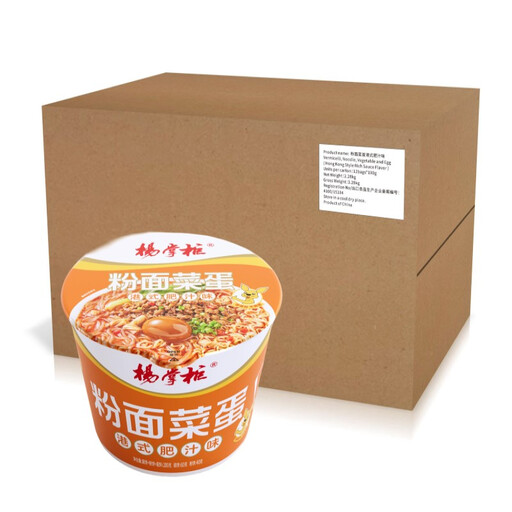
Why This Fits Their Persona: Ideal for student housing, families, or anyone who likes to stock up. By buying in bulk with a case of 12, you always have a quick and filling meal option on hand at a great price.
Unlike many cups with minimal contents, this product offers a substantial 190g portion with a rich sauce and vegetables, making it feel more like a complete meal.
Large portion and bulk packaging. The vermicelli noodles are a lighter alternative to heavier wheat noodles.
We have compiled a complete, up-to-date overview of products that meet these selection criteria and current regulations.
It's easy to 'upgrade' your instant noodles. Add simple ingredients during or after cooking for extra flavour, texture, and nutritional value. Consider:
Although the terms are often used interchangeably, there are general differences. Japanese ramen, in the context of instant noodles, often focuses on traditional broth flavours like miso (soybean paste), shoyu (soy sauce), or a mild curry. Korean noodles, or ramyun, are known for their robust and often very spicy profile, typically based on chilli (gochugaru) and a savoury broth. The noodles in Korean packets are also usually a bit thicker and firmer.
Look closely at the packaging. Manufacturers often use clear visual cues:
