
Vandaag of morgen in huis

Kwaliteit gegarandeerd

Welkomstaanbiedingen ontgrendelen: GRATIS bezorging | Tot 80% korting | Gratis 30 dagen JoyPlus-proefperiode
Download de app
Instant noodles are more than just a quick meal. For students, busy professionals, and fans of Asian cuisine, they represent a world of flavors, from authentic Japanese ramen to the fiery Korean buldak. But the vast selection can be overwhelming. Beautiful packaging doesn't guarantee delicious contents, and a vague flavor description can lead to a disappointing meal. This guide will help you make the right choices.
Before you stock your pantry, it's wise to be aware of a few common pitfalls. This will not only save you money but also the disappointment of a tasteless meal.
You don't need to be an ingredients expert to make a good choice. By paying attention to a few key points, you can quickly find the noodles that are right for you.
The first choice is often between convenience and flexibility.
The world of instant noodles is rich with regional flavors. Knowing where a product comes from already gives a good indication of its taste.
A quick look at the back of the package is always worthwhile. Check the ingredients list for unwanted additives or allergens. For those following a vegetarian or vegan diet, this is a crucial step. Also, look at the nutrition facts table, especially the salt and fat content, to make a conscious choice.
Below are a few popular choices, tailored to different preferences and situations.
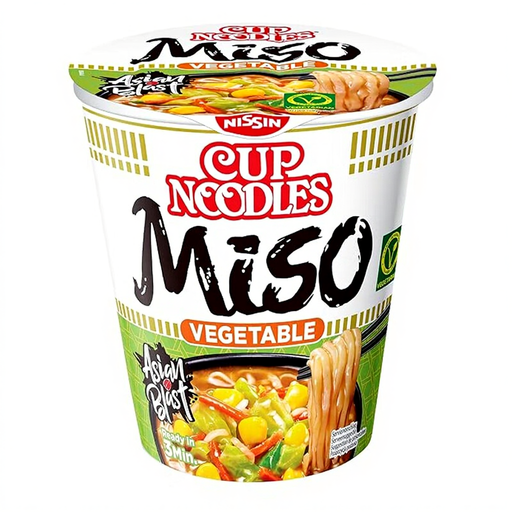
Why This Fits Their Persona: Perfect for a quick office lunch or a late-night meal at home. No pots, no dishes. The savory teriyaki flavor is approachable and satisfying without being extreme.
The 'Teriyaki Chicken' flavor is specific and recognizable, so you know exactly what to expect. The cup format makes it clear that convenience is the priority, without creating the illusion of an elaborate meal.
3-minute preparation: Just add boiling water and wait. Includes vegetables and chicken: Contains pieces of chicken and vegetables for a more complete flavor.
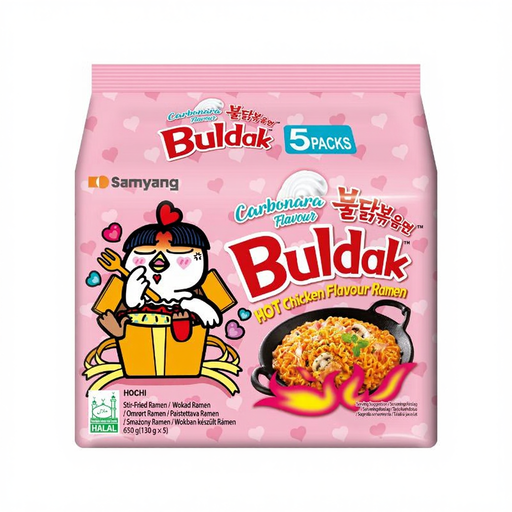
Why This Fits Their Persona: For those who know the 'spicy noodle challenge' and are looking for a serious kick. The creamy carbonara sauce balances the heat, making it a popular choice in the world of Korean noodles.
Samyang is notorious for its spiciness; the name "Buldak" (fire chicken) is a clear warning. The "Carbonara" addition specifies the creamy profile, thus avoiding the vague "spicy" pitfall.
Unique flavor combination: The mix of extreme heat and creamy cheese is distinctive. Thick, firm noodles: The noodles are thicker and have a great chewy texture, ideal for stir-frying.
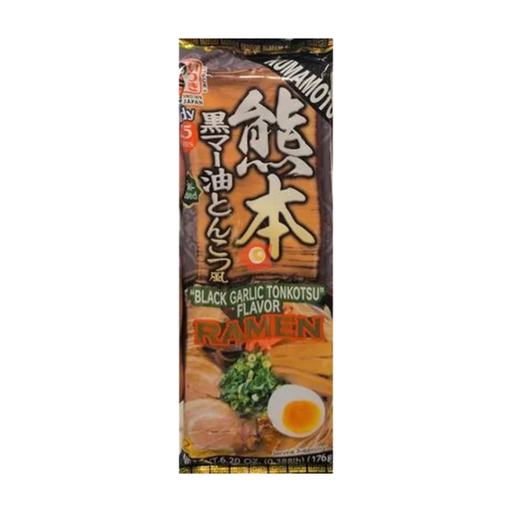
Why This Fits Their Persona: For those who want to recreate a Japanese ramen experience at home. The flavor of black garlic oil (mayu) is characteristic of Kumamoto-style ramen and offers a deep, earthy, and complex taste.
This product avoids the hidden ingredients pitfall by explicitly stating it is 'Animal-Free'. The name 'Black Garlic Tonkotsu' is highly specific, targeting connoisseurs who recognize this flavor.
Complex flavor: The combination of a tonkotsu-style broth with black garlic oil provides a deep, umami-rich taste. Animal-Free: Offers the rich flavor of tonkotsu without any animal products.
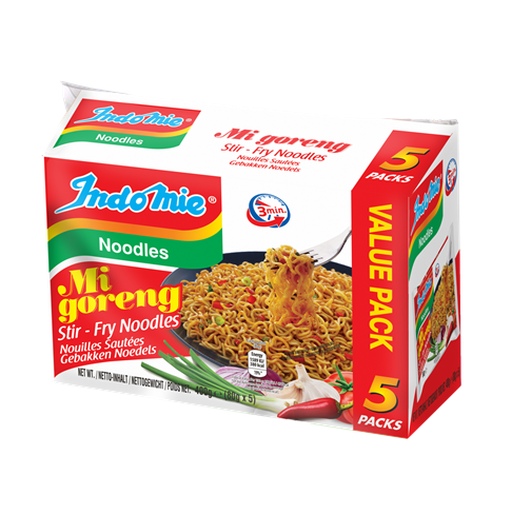
Why This Fits Their Persona: For anyone who loves the iconic Indonesian flavor. Mi Goreng is a 'dry' noodle, which is a welcome change from the many soup-based varieties. It's a globally beloved classic.
The packaging and name "Mi Goreng" (fried noodle) immediately make it clear that this is not a soup. The flavor is so well-known that there's little room for disappointment; you get exactly that signature sweet and savory taste.
Complete seasoning packets: Comes with five separate seasonings, including sweet soy sauce, chili, and fried onions. Versatile: Perfect as a base to customize with a fried egg, satay, or vegetables.
We've compiled a complete, up-to-date list of products that meet these selection criteria.
The easiest way to upgrade your noodles is by adding fresh ingredients. A soft-boiled or fried egg, some finely chopped spring onions, sesame seeds, a dash of soy sauce, or some leftover vegetables can transform a simple bowl of noodles into a full-fledged meal.
Although the terms are often used interchangeably, there are general differences. Japanese ramen emphasizes the broth, with complex, slow-simmered flavors like tonkotsu (pork bone) or miso. Korean ramyun is more often known for its powerful and spicy flavors, frequently featuring ingredients like gochujang (chili paste) and kimchi. The noodles in Korean ramyun are also typically a bit thicker and firmer.
Instant noodles are a convenience food and often contain a lot of salt, saturated fat, and calories. They are meant for occasional consumption, not as a daily meal replacement. By checking the nutrition facts and supplementing the meal with fresh vegetables and protein, you can make it a more balanced meal.
