
Vandaag of morgen in huis

Kwaliteit gegarandeerd
Download de app
Categorieën

Choosing an indoor security camera can be a daunting task. The market is flooded with options, and specifications aren't always clear. You need a camera that delivers on its promises, without hidden subscription fees or a complicated setup. This guide will help you make an informed decision based on factual product features.
Before we dive into specific models, it's helpful to understand the key parameters. These criteria determine how a camera will perform in your specific environment.
Based on the criteria above, we have selected three indoor cameras with different specifications and applications.
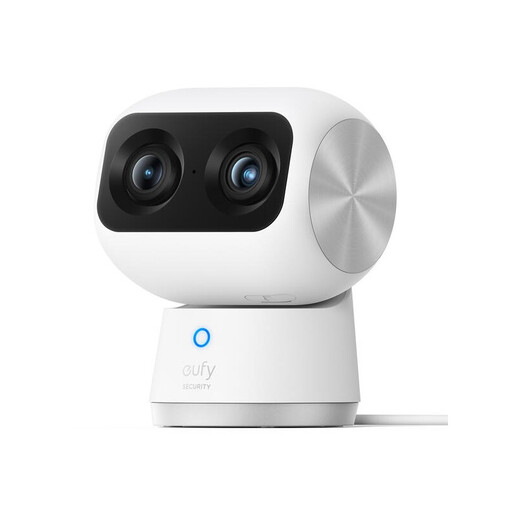
Why we chose it: The Eufy S350 stands out with its dual cameras that work in tandem to deliver high image quality and advanced zoom capabilities. The combination of 4K resolution and Wi-Fi 6 support makes this a performance-oriented model.
Pros:
Who it's for: For users seeking the highest possible image quality and the most detailed zoom functionality. Its 360° coverage and tracking make it a versatile option for monitoring large spaces or keeping an eye on active children or pets.
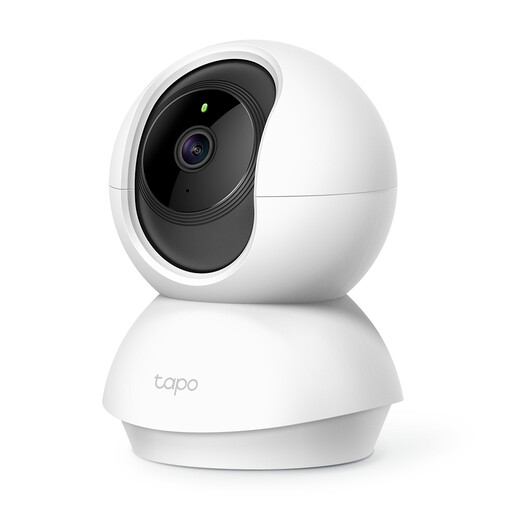
Why we chose it: The Tapo C200 is a popular indoor IP camera that strikes a balance between functionality and price. It delivers reliable core features like 1080p video and a 360-degree field of view.
Pros:
Who it's for: For those looking for a reliable and affordable all-around pan-tilt camera. The local storage makes it an attractive choice for users who want to avoid monthly subscription fees.
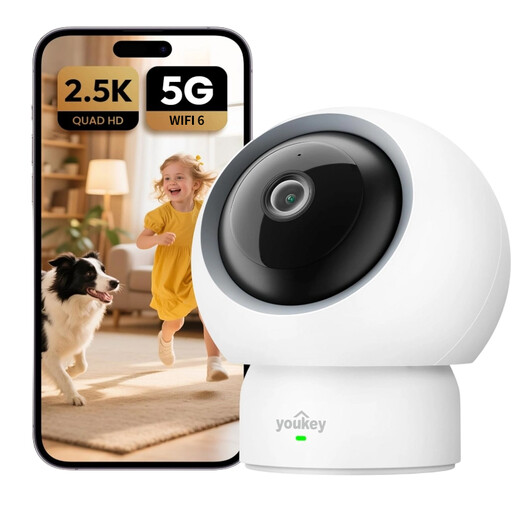
Why we chose it: The Youkey P310 focuses on smart detection and ease of use, completely subscription-free. Its specific detection for baby cries and pets makes it a specialized camera for families.
Pros:
Who it's for: Ideal for parents of young children or pet owners. The specific detection for crying babies and the pet command feature offer practical benefits for these user groups. The absence of subscription fees is a major plus for budget-conscious users.
The models above represent a selection of what's available. Every situation is unique and may require different specifications, such as a different design, specific software integrations, or another budget.
If these recommendations don't fully meet your needs, you can explore our full range for more options.
️ Explore our full range of Indoor Wi-Fi Cameras
Not always. Many cameras, such as the TP-Link Tapo C200 and the UNIVIEW Youkey P310, offer the option to store footage locally on a microSD card. This means you can use the basic functions without monthly fees. A subscription is often required for extended cloud storage or advanced AI features, depending on the brand.
Privacy is a key concern. Choose a camera from a reputable brand that releases regular security updates. Always use a strong, unique password and enable two-factor authentication (2FA) whenever possible. Models like the UNIVIEW P310 offer a physical privacy mode that covers the lens when you are home.
The 2.4GHz frequency has a longer range but is more susceptible to interference from other devices (like microwaves and cordless phones). The 5GHz frequency provides a faster, more stable connection with less interference, but has a shorter range. A camera that supports both (dual-band) offers the most flexibility during installation.