
Vandaag of morgen in huis

Kwaliteit gegarandeerd

Welkomstaanbiedingen ontgrendelen: GRATIS bezorging | Tot 80% korting | Gratis 30 dagen JoyPlus-proefperiode
Download de app
A hydrating face cream may seem like a simple product, but there can be significant differences in texture, ingredients and usage advice. Dry skin often needs more nourishing ingredients, while oily or combination skin can be more prone to feeling weighed down. If you have sensitive skin, it is also wise not to focus solely on terms such as “intensely hydrating” or “soothing”.
As a Joybuy Product Recommendation Officer, I filter product information based on verifiable properties. This helps you avoid paying for an attention-grabbing claim alone and choose a face cream that fits your daily routine.
Words such as “glow”, “intense” and “repairing” sound appealing, but they do not always tell you how a formula will feel on your skin. According to the product description, for example, Clinique claims up to 100 hours of hydration for the Moisture Surge 100H. This is a brand claim; it does not mean that every user will experience the same result without reapplying.
So also consider the texture, recommended usage and ingredients list. A gel cream may feel comfortable during the day, while a richer cream may be better suited to tight, dry skin.
A cream may be described as suitable for sensitive skin while still containing fragrances or essential oils. According to the ingredients list, Dear, Klairs Rich Moist Soothing Cream contains, among other ingredients, lemon, lavender, orange, geranium and eucalyptus oils. If your skin reacts quickly to fragrances, it is worth checking this in advance.
A cream for sensitive skin should therefore not be judged solely by the front of the packaging. Check the full ingredients list and stop using the product if redness or irritation persists. You may also wish to test a new product on a small area of skin first.
Ceramides, oils and butters can be useful in a ceramide cream for dry skin, but a rich formula will not feel comfortable for everyone. A lightweight gel or lotion may be more suitable for oily or combination skin. Look for terms such as gel cream, oil-free, lotion or non-greasy face cream, but base your choice on the ingredients and your own preferences too.
Ingredients such as glycerin, betaine, panthenol and hyaluronic acid help attract moisture and contribute to a comfortable feel on the skin. A hyaluronic acid cream may therefore be an appealing option for dehydrated skin. However, hyaluronic acid does not automatically mean that a product is rich or nourishing. The rest of the formula also affects how long the comfort lasts.
Shea butter, jojoba oil, squalane, dimethicone and fatty acids can help the skin feel softer and reduce moisture loss. This is particularly relevant if you are looking for a hydrating cream for dry skin. A lighter formula may be more practical for oily skin, especially under make-up or sunscreen.
If you want to restore or support the skin barrier, look for ceramides, cholesterol, phytosphingosine, lecithin and panthenol. These ingredients can be found in various Korean skincare formulas. The presence of an ingredient is not a guarantee of a particular result, but it does provide an objective point of comparison.
Also pay attention to usage details:
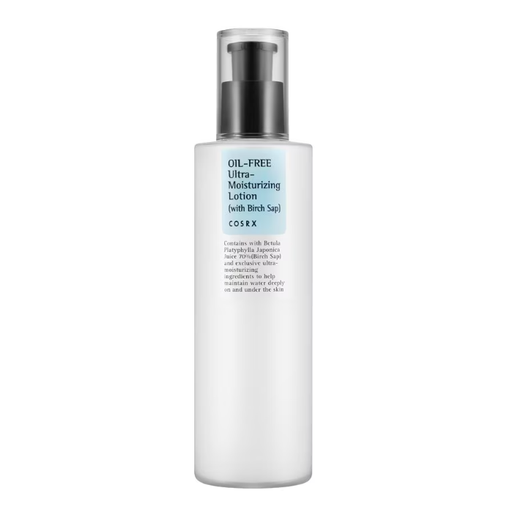
Why it suits this profile: The lotion texture is an accessible choice if you want a lightweight moisturiser without a noticeably greasy feel. The 100 ml size is suitable for daily use.
The product description highlights a moisturising formula without an oily feel. However, check whether the lighter texture provides enough comfort if your skin is very dry.
100 ml; lotion formula; according to the product information, suitable for use alongside AHA and BHA products.

Why it suits this profile: According to the ingredients list, this formula focuses on barrier support with several ceramides, cholesterol, phytosphingosine, panthenol and various forms of hyaluronic acid.
You do not have to rely on the word “barrier” alone: the listed ceramides and lipids can be clearly identified in the ingredients list.
80 ml; ceramides NP, NS, AP, AS and EOP; also contains sodium hyaluronate and panthenol.

Why it suits this profile: According to the instructions, the gel cream can be used in the morning and evening, under make-up or as a five-minute mask.
The gel texture means you do not automatically have to choose a heavy cream for intensive care. According to Clinique’s own information, the product claims up to 100 hours of hydration.
30 ml; gel cream; according to the product details, free from alcohol, fragrance, parabens and phthalates; listed as non-comedogenic.
We have compiled a complete, up-to-date list of products that fully meet these strict selection criteria and the applicable European safety regulations.
Apply the cream to a cleansed face. A lightweight formula can be used in the morning under make-up and sunscreen. A richer or soothing face cream is often better suited as the final step in your evening routine. Always follow the usage instructions on the packaging.
Check the expiry information, batch code and any period-after-opening symbol on the packaging. Store the cream in a cool, dry place away from direct sunlight, and close the packaging securely. If the scent, colour or texture changes noticeably, it is best to stop using the product.
Look for a short, easy-to-understand ingredients list, paying particular attention to fragrance, essential oils and other ingredients you have reacted to in the past. A product labelled non-comedogenic may be a practical option, but individual skin reactions are still possible. Start with a small amount and do not combine several new products straight away.
Not always. An anti-ageing face cream may contain active ingredients such as retinol. According to the product information, The Retinol 0.1 Cream contains 0.1% retinol and hydrating ingredients such as hyaluronic acid and panthenol. Introduce retinol gradually and follow the product advice; also choose a separate hydrating face cream if your skin needs extra comfort.
