
Vandaag of morgen in huis

Kwaliteit gegarandeerd

Welkomstaanbiedingen ontgrendelen: GRATIS bezorging | Tot 80% korting | Gratis 30 dagen JoyPlus-proefperiode
Download de app
A scratchy throat, dry skin, or static shocks from every doorknob? Chances are the air in your home is too dry, a common problem in many households, especially during the heating seasons. A humidifier seems like a simple solution, but the market is flooded with models that promise more than they deliver. Before you make a purchase, it's crucial to know what to look for.
As a Joybuy Product Recommendation Officer, I sift through product information daily to help you make an informed choice. Here are the three most common pitfalls and how to avoid them.
quiet humidifier that keeps you awake at night is a bad purchase, especially for the bedroom or nursery.ultrasonic humidifier models, in particular, can disperse minerals (limescale) from hard tap water into the room as a fine, white dust. This settles on furniture and can damage electronics over time.To avoid a bad purchase, focus on the specifications that truly matter. You can ignore marketing jargon; these objective features determine whether a device is right for your situation.
The capacity of the water tank, expressed in litres (L), determines how long the humidifier can run before you need to refill it.
humidifier for plants in a corner.humidifier for a large room, so you don't have to refill it constantly.The noise level is measured in decibels (dB). For a humidifier in the bedroom or nursery, this is one of the most important factors.
Note: Look for models that specifically have a "sleep mode," which often not only turns off the lights but also sets the fan to its lowest, quietest setting.
A practical design will save you a lot of frustration in the long run.
humidifier with a hygrostat measures the humidity and automatically turns on or off to maintain a set level. This prevents the air from becoming too humid and saves energy.humidifier with aromatherapy that has a separate tray or pad for essential oils. Putting oil directly into the water tank can damage the plastic in many models.Based on these criteria, we have selected a number of models that suit different needs and situations.
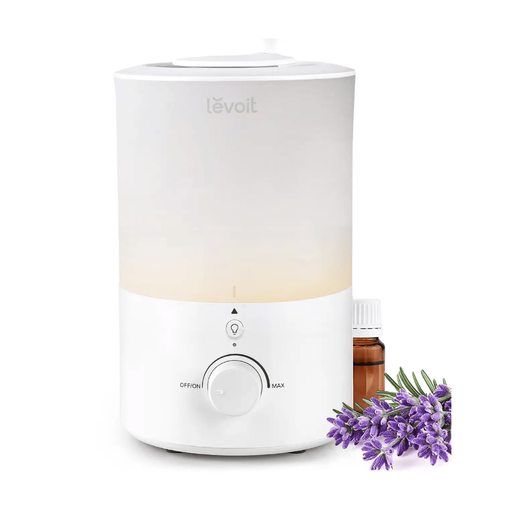
Why This Fits Their Persona: This compact model is designed for tranquility. Ideal for a nightstand in the bedroom or nursery, where a low noise level and a soothing atmosphere are a priority.
With a noise level of just 25 dB, according to the manufacturer, this model bypasses the "whisper-quiet" myth. It is engineered to be genuinely silent, without disruptive gurgling sounds.
Top-fill design: Easy, mess-free refilling. Built-in night light: Creates a soft, calming glow.
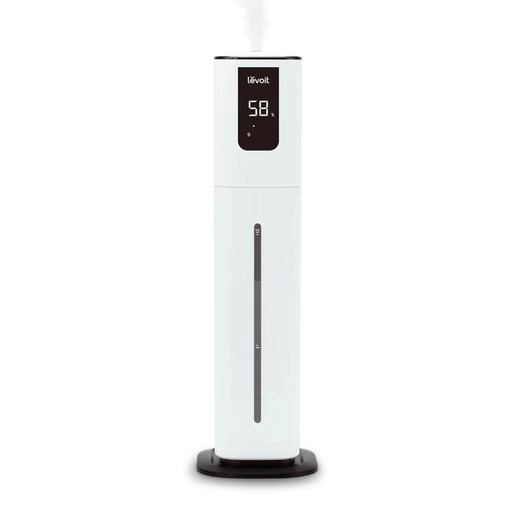
Why This Fits Their Persona: For those who want to provide the right humidity for a large living room or a collection of tropical plants. This model is built for capacity and range, without needing daily refills.
The massive 10-litre tank tackles the problem of constant refilling. Its runtime of up to 100 hours (on the lowest setting) means you won't have to think about it for days.
Wide coverage: Suitable for rooms up to 55 m?. Smart control: Adjustable via the VeSync app and voice assistants for optimal convenience.
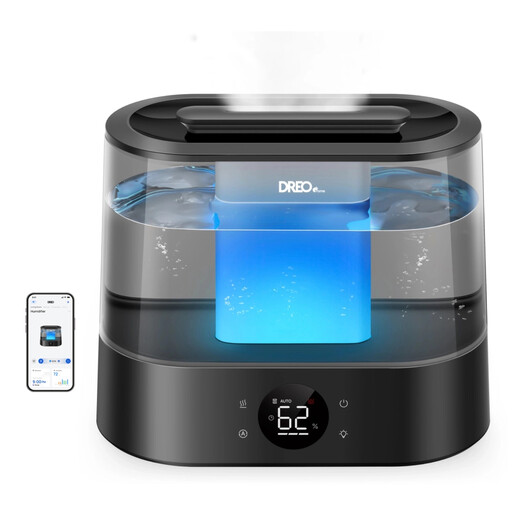
Why This Fits Their Persona: For those who love technology, convenience, and ambiance. This model combines smart features with an `aroma diffuser` and customisable lighting, all controllable from the couch.
The built-in sensor and Auto Mode take the guesswork out of the equation. The device maintains the optimal humidity level on its own, preventing the pitfall of an overly damp room or unnecessary energy consumption.
Smart app control: Set timers, mist levels, and modes via the DREO app. Aromatherapy tray: Safely add essential oils for a pleasant fragrance.
We have compiled a complete, up-to-date list of products that fully meet these strict selection criteria and local safety regulations.
1. How often should I clean a humidifier? For healthy operation, it is recommended to change the water in the reservoir every 2 to 3 days. A more thorough weekly cleaning with water and a mild vinegar solution helps prevent limescale and bacteria growth. Always consult the manufacturer's manual for specific instructions.
2. Can I just use tap water in my humidifier? Yes, you can use tap water in most modern humidifiers. However, if you live in an area with very hard water, an ultrasonic humidifier may disperse white mineral dust. To prevent this, you can use distilled or demineralised water. Some models also have special demineralisation cartridges.
3. What is the difference between a humidifier and an aroma diffuser? A humidifier is primarily designed to increase the humidity in a room. An aroma diffuser is intended to spread the scent of essential oils and usually has a much smaller water tank. Many humidifiers combine both functions, but if your main goal is to increase humidity, a humidifier is the right choice.
