
Vandaag of morgen in huis

Kwaliteit gegarandeerd

Welkomstaanbiedingen ontgrendelen: GRATIS bezorging | Tot 80% korting | Gratis 30 dagen JoyPlus-proefperiode
Download de app
A good hiking backpack is the cornerstone of any successful trip. Whether you're taking a short walk through the dunes or planning a multi-day trek through the mountains, the right pack makes the difference between a comfortable journey and an unnecessary ordeal. However, the market is vast, and the technical specifications can be overwhelming.
This article is designed to be a practical guide. We'll help you understand the most important features and highlight several popular choices for different types of adventures. This will enable you to make an informed decision that suits your hiking plans.
Before we dive into specific models, here are three key considerations to help you choose the right hiking backpack.
A backpack's volume is measured in litres and is directly related to the duration of your trip.
daypack for hiking, this volume is usually sufficient. You'll have space for a water bottle, lunch, a rain jacket, and a few small essentials.backpacking hike for two to three days? You'll need more room for a sleeping bag, extra clothing, and cooking gear. A trekking backpack in this category offers a good balance between space and weight.backpack for a multi-day trek, a large hiking backpack of 50 litres or more is recommended. This gives you enough space for a tent, sleeping mat, food for several days, and other equipment.A backpack can have all the clever features in the world, but it's useless if it isn't comfortable. Pay attention to the following elements:
The material determines the backpack's durability and weight. A lightweight backpack is nice, but make sure the fabric is strong enough for your adventures. Ripstop nylon is a popular choice because it is tear-resistant and relatively light.
Also, check if the backpack has an integrated rain cover or is made from water-repellent material. A waterproof backpack is ideal for unpredictable climates. Extra pockets, attachment points for hiking poles, and a compartment for a hydration system are practical extras.
Based on the criteria above, we have selected a few models suitable for different types of hikers.
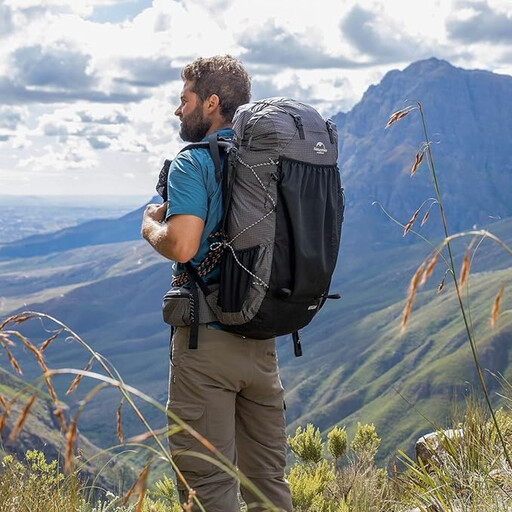
Why it stands out This backpack is designed for serious, multi-day treks. The internal frame provides stability and excellent weight distribution, even with a heavy load. With a base capacity of 60 litres, expandable by 5 litres via the top lid, you have more than enough room for all your gear.
Key Features
Who is it for? For the adventurer seeking a reliable and spacious large hiking backpack for treks of a week or longer.
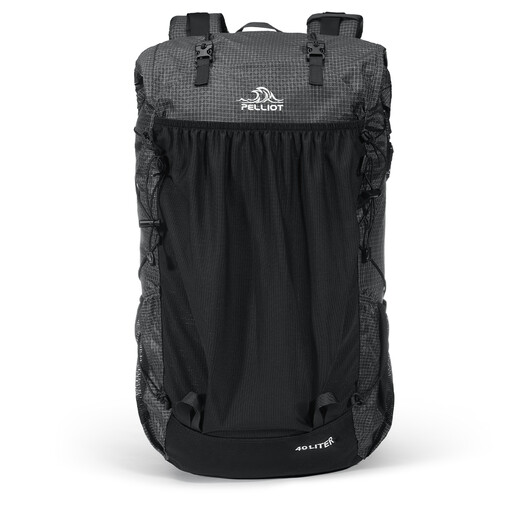
Why it stands out This trekking backpack from PELLIOT focuses on comfort during active journeys. According to the manufacturer, the pack uses 'Dynamic Walking Harness Technology', where the shoulder straps adapt to your walking motion. The 3D breathable back system is engineered to keep your back cool and dry.
Key Features
Who is it for? For the hiker who regularly takes weekend trips and wants a comfortable, well-organised backpack for 2- to 3-day journeys.

Why it stands out This backpack is all about two things: extremely low weight and compactness. Made from 30D nylon, this is a lightweight backpack that folds down into a tiny package. Ideal as a daypack for hiking or as an extra bag when travelling.
Key Features
Who is it for? For the day hiker, the minimalist traveller, or anyone looking for an ultralight and compact backpack for short trips.
Is your ideal model not among our picks? No problem. The choices above are geared towards specific hiking needs, but there are, of course, many more styles and sizes available. For those looking for different functionality or another design, we have a wider selection.
Browse our full collection and discover more options in the stylish open-road backpack category.
1. How many litres do I need for a day hike in the Netherlands? For most day hikes in the Netherlands, a backpack between 15 and 25 litres is sufficient. This provides enough space for a litre of water, your lunch, a rain jacket, a power bank, and some personal items. If you also bring a camera or binoculars, 25 to 30 litres is a comfortable choice.
2. Is a waterproof backpack really necessary? A fully waterproof backpack is often heavier and more expensive. Most quality backpacks are made from water-repellent material, which can handle a light shower just fine. For unpredictable weather, a separate rain cover is a very practical and lightweight solution. Some backpacks come with an integrated rain cover in a dedicated pocket.
3. How do I properly adjust my hiking backpack for maximum comfort? Start by loosening all the straps. Put the backpack on and place the hip belt on your hip bones (not your waist), then tighten it securely. Next, pull the shoulder straps until the pack sits close to your back, but the weight still rests on your hips. Finally, adjust the chest strap and the load lifter straps (on top of the shoulder straps) for extra stability.
