
Vandaag of morgen in huis

Kwaliteit gegarandeerd

Welkomstaanbiedingen ontgrendelen: GRATIS bezorging | Tot 80% korting | Gratis 30 dagen JoyPlus-proefperiode
Download de app
More and more people are choosing to cut their hair at home. It not only saves a trip to the barber and the associated costs, but it also gives you the freedom to touch up your hairstyle whenever it suits you. Whether you want to keep your own hair looking sharp, maintain your partner's haircut, or give the kids a quick trim, a good pair of clippers is essential.
But the selection is vast, and the specifications can be confusing. Which model is right for you? As a Joybuy Product Recommendation Officer, I'm here to help you see through the marketing jargon. In this article, I'll provide practical tips and introduce a few popular choices based on their specifications and features.
Before you make a choice, it's helpful to consider a few key features. This will help you find a model that meets your needs.
The choice between cordless clippers and a corded model depends on how you plan to use the device.
The quality of the blades and the included accessories largely determine the final result.
For those just starting with at-home haircuts, a complete clipper kit can be a great solution. These often include not only the hair trimmer and guide combs but also extras like scissors, a comb, a neck brush, and a storage case. This gives you everything you need for a full haircut right away. If you already have some of these tools, a standalone device may be sufficient.
Based on specifications and functionality, we've highlighted a few interesting models for you.
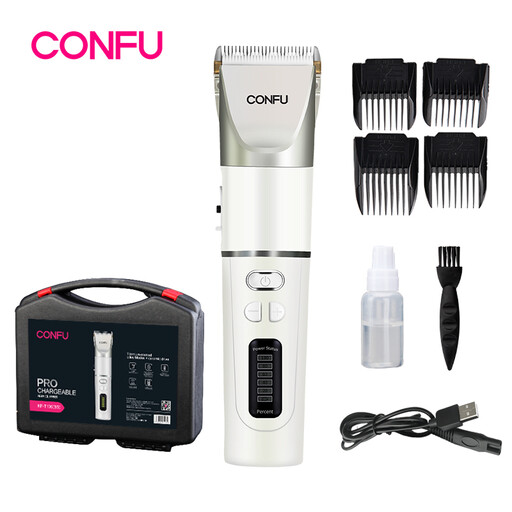
Why This Model Stands Out The CONFU T105 is a versatile clipper for home use that stands out with its ceramic blade head and long battery life. The LCD screen, which displays the remaining battery life, is a practical addition. According to the manufacturer, the device has a low-noise design, making it a suitable option for cutting children's hair.
Pros
Who Is It For? Families looking for a user-friendly and relatively quiet cordless clipper with a clear battery indicator.

Why This Model Stands Out The Remington HC4250 is distinguished by its unique, ergonomic design. Remington's CurveCut blade technology is designed to follow the contours of your head for a faster, more even cut. The device is fully washable, which makes cleaning very easy.
Pros
Who Is It For? Ideal for men's clippers users who want to quickly and efficiently touch up their own hair. Its compact size and included travel pouch also make it a popular choice for people who travel a lot.
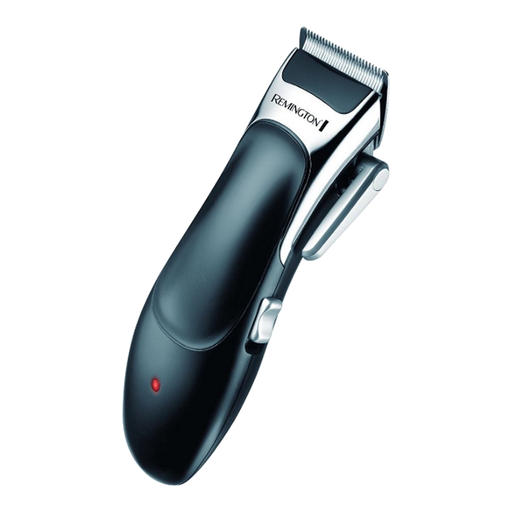
Why This Model Stands Out This is a classic and complete clipper kit. The Remington HC363C comes in a sturdy storage case with a wide range of accessories, including scissors, combs, and a neck brush. A key advantage is that you can use it both cordlessly and corded, so you'll never run out of power.
Pros
Who Is It For? An excellent choice for beginners looking for an all-in-one package to start cutting hair at home. The option to use it corded provides extra peace of mind.
These three models offer a great starting point, but perhaps you're looking for a model with different specifications or a more professional clipper. For a broader overview of hair care devices, including various clippers and barber shears, you can browse our full assortment.
Discover more professional barber shears and clippers
1. How often should I oil my clipper blades? This depends on the model. Consult the manufacturer's manual. A general guideline is to clean the blades after every few haircuts and apply a few drops of oil. Some models, like the Remington HC363C, have self-lubricating blades that do not require oil.
2. Can I use hair clippers for my beard? Yes, men's clippers can often be used to trim a beard, especially with the shorter guide combs. For precision work, like shaping the lines, a dedicated beard trimmer or hair trimmer with a smaller head is often more convenient.
3. What is the difference between a hair clipper and a hair trimmer? A hair clipper is primarily designed to cut larger amounts of hair to a uniform length. A hair trimmer is typically smaller and intended for detail work: finishing the neckline, sideburns, and creating sharp contours. Many modern devices combine both functions or are sold as a set.
