
Vandaag of morgen in huis

Kwaliteit gegarandeerd

Welkomstaanbiedingen ontgrendelen: GRATIS bezorging | Tot 80% korting | Gratis 30 dagen JoyPlus-proefperiode
Download de app
A clipper that dies mid-haircut, pulls hair instead of cutting it, or goes dull after just three months. Sound familiar? The market is flooded with options, and many marketing promises lead to buyer's remorse. Before you invest in a new hair clipper, it's helpful to know which common pitfalls to avoid.
Many users fall for these three traps:
To avoid a bad purchase, it's wise to look beyond the design. Focus on a few technical specifications that make the difference between a good and a bad device.
The motor is the heart of every electric clipper. A powerful motor ensures the blades move consistently and quickly, even through thicker hair. The blades themselves are just as important. Pay attention to the material: stainless steel is the standard, but models with ceramic or titanium-coated blades often stay sharp longer and don't heat up as quickly. A good combination of motor and blades prevents the device from pulling hair.
A cordless clipper offers maximum freedom of movement. The key is the battery technology. Li-Ion (Lithium-ion) batteries are typically the better choice: they charge faster, have a longer runtime, and lose their capacity less quickly than older NiMH batteries. Check the ratio between charging time and usage time. A model that charges within an hour and then lasts for more than an hour is a solid choice. A USB-C port is a practical bonus, as you can use the same charger as for your phone.
The versatility of a clipper depends on the included guide combs and its adjustability. A good clipper set includes multiple attachments for different lengths (e.g., from 3 mm to 25 mm). Even more important is how these combs are attached. A secure locking system is essential for a consistent and safe result. Some models also have a lever or dial on the device itself for micro-adjustments, which is useful for creating transitions (fades).
Based on these criteria, we have selected a number of popular choices that suit different user profiles.
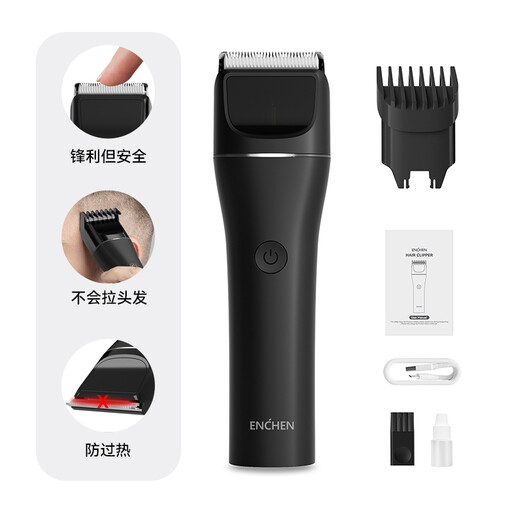
Why This Fits Their Persona: This model is ideal for those just starting to cut their own hair. It's a no-nonsense device focused on ease of use and reliability without a high price tag.
A weak battery isn't a concern here. The modern Type-C charging port ensures fast, universal charging, so you won't get caught with a dead clipper.
Simplicity and reliability. The adjustable comb is easy to use, and the ceramic blades provide a smooth cutting experience for this price point.
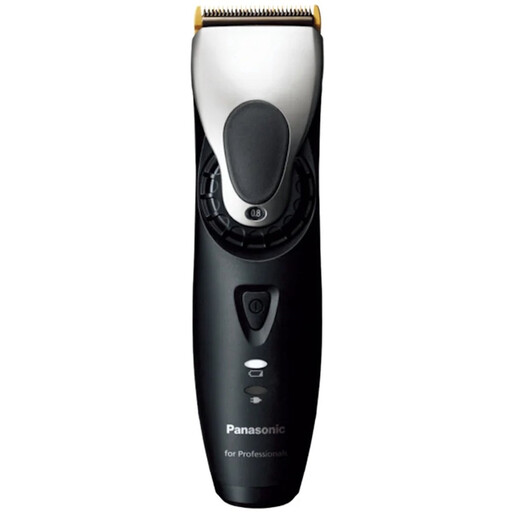
Why This Fits Their Persona: For those who strive for professional results at home. This professional-grade clipper is designed for precision and durability, ideal for maintaining clean haircuts and fades.
Snagging blades are a thing of the past. According to Panasonic, the combination of a linear motor (10,000 rpm) and X-Taper 2.0 blades ensures constant power and a sharp cut.
Consistent motor power and Japanese blade technology. The adjustment dial for length settings (0.8-2.0 mm) offers extra precision without changing guide combs.
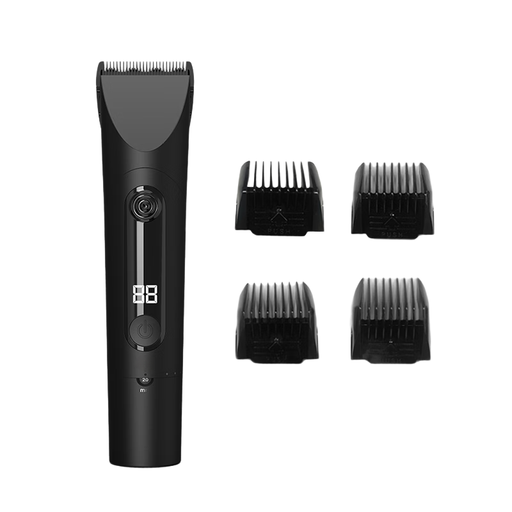
Why This Fits Their Persona: A versatile device for families who want a single clipper for multiple users, including children. The focus is on safety, quiet operation, and easy maintenance.
This model tackles the pitfall of impractical attachments and difficult maintenance. It is fully washable, which makes cleanup after use quick and hygienic.
The low-noise motor makes the cutting process calmer, which is especially nice for children. The rounded blades are designed to protect the skin.
We have compiled a complete, up-to-date list of products that meet these strict selection criteria and safety standards.
For optimal maintenance and a long lifespan, it is recommended to apply a few drops of oil to the blades after every 2 to 3 haircuts. First, clean the blades with the included brush, apply the oil, and let the device run for a few seconds to distribute it evenly.
Yes, in many cases you can. A hair clipper is especially suitable for shortening a longer beard. For precision work, such as cleanly lining up the edges, a dedicated beard trimmer or a detail trimmer is often a better choice. These have narrower blades for more control.
A hair clipper is primarily designed to cut larger amounts of hair quickly and efficiently to a uniform length. A trimmer (such as a beard or detail trimmer) is intended for finer work: contouring, finishing, and styling shorter hair like beards, moustaches, and necklines. Trimmers generally cut closer to the skin.
