Vandaag of morgen in huis

Kwaliteit gegarandeerd

Welkomstaanbiedingen ontgrendelen: GRATIS bezorging | Tot 80% korting | Gratis 30 dagen JoyPlus-proefperiode
Download de app
A great pen can be the difference between messy, smudged notes and a crisp, legible document. Yet, finding the perfect gel pen is often harder than it seems. The ink smears, the tip scratches the paper, or the pen feels uncomfortable after just ten minutes of writing. Sound familiar? It’s all too easy to make the wrong choice.
This guide will help you make an informed decision. We'll cover the key features of gel pens and highlight several specific options, ensuring you know exactly what you're getting.
Before you buy a set of pens, it's worth considering a few key features. Your ideal pen will depend on your writing style and its intended use.
The size of the pen's tip determines the width of the line it produces on paper. This is usually expressed in millimetres (mm).
The gel ink is what makes a gel pen unique. This water-based ink is typically smoother than that of a ballpoint pen. A key consideration is the drying time. Quick-drying ink pens are a game-changer, especially for left-handers, as they significantly reduce the risk of smudges and smears. Also, pay attention to colour fastness and whether the ink is waterproof once dry.
Do you use pens for long writing sessions, such as during lectures or at the office? If so, ergonomics are crucial. A soft, rubber grip can reduce hand fatigue. Additionally, there is the choice between a retractable mechanism (a click pen) or a traditional cap. A click pen is convenient for quick notes, while a cap completely seals and protects the tip.
Gel pens are often sold in a pen set. A set of black pens is a standard choice for office pens or school. Sets with coloured pens, on the other hand, are useful for creative projects, journaling, or adding structure to your notes.
Based on the criteria above, we've selected gel pens that stand out for their distinct, functional features.
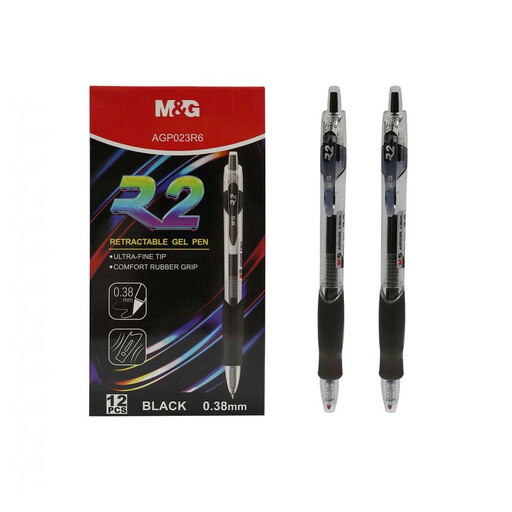
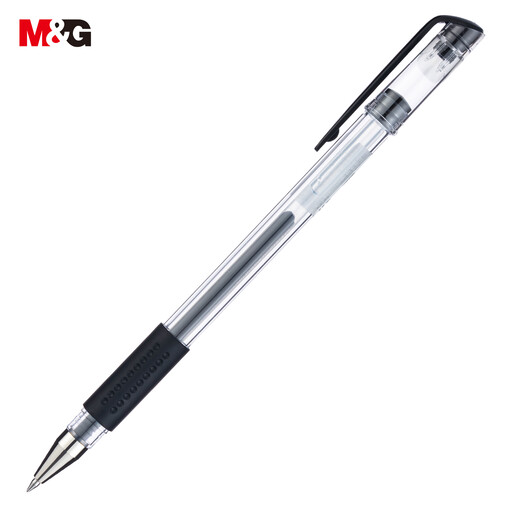
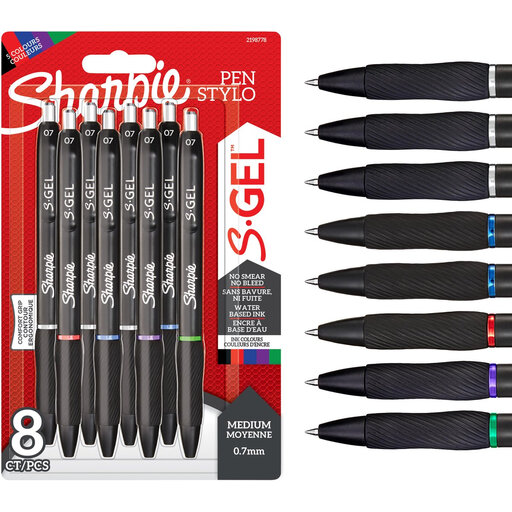
The selection above gives an idea of the possibilities, but the world of writing supplies is vast. Perhaps you're looking for a different tip size, a specific ink colour, or another type of pen, like a ballpoint or fineliner. For a wider overview of available options, feel free to browse our main category.
The main difference is the ink. A gel pen uses a water-based ink with pigments, which creates an intense colour and a very smooth flow. A ballpoint pen uses a thicker, oil-based ink that dries more slowly and often requires more pressure when writing.
Most gel pens come with a cap or a retractable mechanism. Always make sure to place the cap firmly back on the pen after use or to retract the tip. This prevents the tip from being exposed to air, which can cause the ink to dry out. It's best to store pens horizontally or with the tip pointing down.
Yes, many modern gel pens are very suitable for left-handers. Specifically, choose a gel pen with quick-drying ink. This reduces the chance of your hand smearing the wet ink, resulting in clean hands and smudge-free notes. The M&G Q7 and Sharpie S-Gel are examples of pens with this type of ink.
About the Author
This article was compiled by the Joybuy Product Recommendation Officer. The recommendations are based on publicly available product information and specifications, aiming to provide an objective and practical overview.