
Vandaag of morgen in huis

Kwaliteit gegarandeerd

Welkomstaanbiedingen ontgrendelen: GRATIS bezorging | Tot 80% korting | Gratis 30 dagen JoyPlus-proefperiode
Download de app
A shiny T-zone by midday, blemishes that keep coming back, or the feeling that your skin is never truly clean. Sound familiar? The search for the perfect gel cleanser for oily skin can feel like an endless cycle of trial and error. Many products promise a matte, clear complexion but leave you with a tight, irritated feeling instead.
As a Product Recommendation Officer at Joybuy, I see which products are popular every day, but I also see the common pitfalls. Before you make another purchase you'll regret, let's debunk two common marketing traps that cause you to spend unnecessarily.
To avoid a bad purchase, it's helpful to pay attention to a few objective specifications. These factors determine whether a cleanser will help your skin or work against it.
Your skin's natural pH is slightly acidic, typically around 5.5. This acidic layer, the acid mantle, is your first line of defense against bacteria and dehydration. Many traditional soaps and cleansers are alkaline (high pH), which can disrupt this barrier. A good mild facial cleanser has a pH level that is close to your skin's own. This helps keep the skin barrier intact, leaving the skin calm and balanced.
A cleanser's effectiveness depends on the surfactants it uses. Instead of opting for harsh sulfates, it's better to look for milder alternatives. An amino acid cleanser is a great example. These cleansers, often found in Korean facial cleansers, use cleansing agents derived from amino acids. They cleanse effectively and create a soft lather without stripping the skin of its essential moisture.
A common mistake is thinking that oily skin doesn't need hydration. It absolutely does. A good cleanser removes excess sebum, but a smart cleanser adds hydration at the same time. Look for a hydrating cleanser for oily skin with ingredients like hyaluronic acid, glycerin, or betaine. These ingredients help attract and retain moisture, leaving your skin feeling comfortable and supple after cleansing, not tight.
Not all oily skin is the same. Below are a few recommendations, tailored to specific needs and preferences.
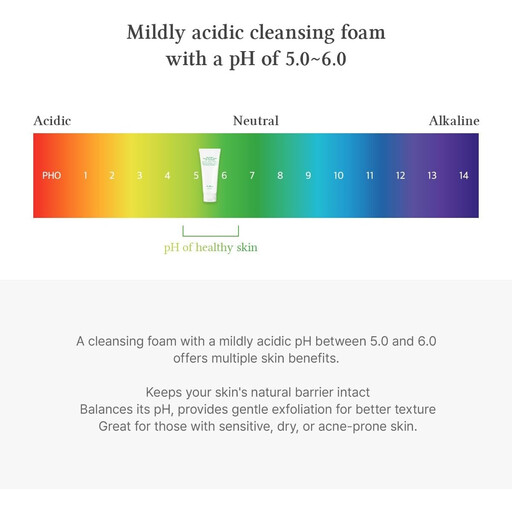
Why This Fits Their Persona: Ideal for those who appreciate the gentle yet effective approach of Korean skincare. This cleanser is perfect for oily or combination skin that can also be sensitive and reactive to harsh products.
This amino acid cleanser uses mild, coconut-based cleansing agents instead of aggressive sulfates. The skin is left clean without that tight, stripped feeling.
Features a skin-friendly pH of 5.0-6.0 and is a vegan cleanser. Contains hyaluronic acid and birch sap for hydration during cleansing.
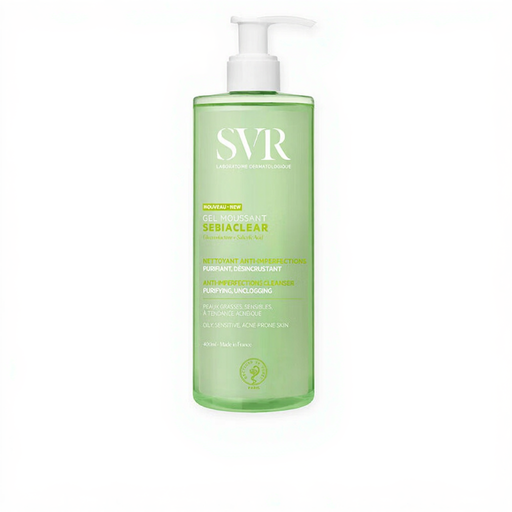
Why This Fits Their Persona: For those seeking a no-nonsense cleanser for acne-prone skin specifically designed to tackle excess sebum and impurities without irritating the skin.
The soap-free formula cleanses thoroughly while respecting the skin's balance. It prevents the dryness often associated with traditional anti-acne cleansers.
According to the manufacturer SVR, gluconolactone helps to unclog pores and refine skin texture, while Mat SR regulates sebum production.
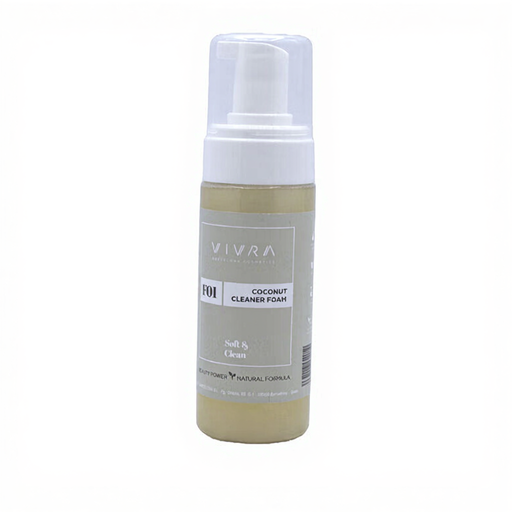
Why This Fits Their Persona: Perfect for those who consciously choose natural and cruelty-free products. This foam cleanser is an excellent vegan cleanser for daily use.
The formula is based on European rice starch and coconut, with natural, non-irritating surfactants. This ensures a gentle cleanse that doesn't strip the skin.
According to the manufacturer VIVRA, the product is 98.65% natural (ISO 16128) and vegan. It cleanses and hydrates in one step for a comfortable feel.
We've compiled a complete, up-to-date list of products that meet these strict selection criteria and EU guidelines.
Generally, cleansing twice a day—morning and evening—is sufficient for oily skin. Over-washing can strip the skin barrier and actually stimulate more sebum production. Above all, listen to your skin: if it feels tight, you may be cleansing too often or with a product that's too aggressive.
This is largely a matter of personal preference. In the past, foaming cleansers were known for being drying, but modern formulas, especially an amino acid cleanser, can produce a rich lather while remaining very gentle. It's not about the amount of foam, but the type of cleansing ingredients in the formula.
Absolutely. The combination of oily and sensitive skin is very common. The key is to choose a mild facial cleanser specifically formulated without irritants like fragrance, drying alcohols, and harsh sulfates. A pH-balanced formula is especially important here.
