
Vandaag of morgen in huis

Kwaliteit gegarandeerd
Download de app
Categorieën

Crafting the perfect cappuccino or latte macchiato at home starts with the foundation: the milk. It's a familiar scenario: you invest in a quality milk frother, grab a carton of milk from the supermarket shelf, and the result is disappointing. Instead of a thick, creamy foam, you're left with just warm milk and a few large bubbles. The choice of the right milk for frothing is crucial for the final result. In this guide, we'll explain what to look for and provide some product recommendations based on their specifications.
A milk's ability to form a stable, fine foam depends on several objective factors. By paying attention to these, you can make an informed choice, whether you're looking for a dairy-based milk for your frother or a plant-based alternative.
barista milk or latte milk often have an optimised fat-to-protein ratio.plant-based frothing milks, such as oat milk for frothing, stabilisers (like dipotassium phosphate) are often added. These acidity regulators prevent the milk from curdling when it comes into contact with acidic coffee and help create a stable foam comparable to that of dairy.Based on the criteria above, we have selected a range of products with specifications suitable for creating milk foam.
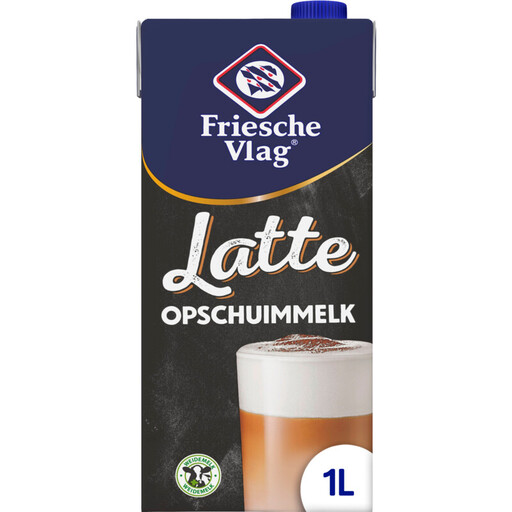
milk for cappuccino and lattes. According to the manufacturer, its composition was created in consultation with baristas to deliver reliable frothing results.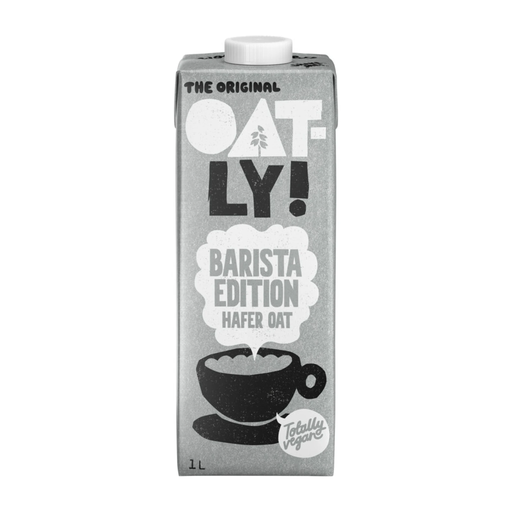
plant-based frothing milk. The formula is specifically adapted to foam well and not curdle in hot drinks. It contains an acidity regulator (dipotassium phosphate) to assist with this.oat milk for frothing delivers a creamy and dense microfoam suitable for latte art. Its 3-gram fat content (from rapeseed oil) provides a full mouthfeel. Although the protein content of 1.1 grams is lower than cow's milk, the composition is engineered to produce a stable foam nonetheless. The product is fortified with vitamins (D2, B12) and minerals.
The choice of a frothing milk is also a matter of taste. Besides whole cow's milk and oat milk, there are barista editions of soy, almond, and pea milk, each with its own flavour profile and unique properties. The technology is constantly evolving, and new products optimised for coffee are always entering the market.
For a complete overview of all available options, you can browse our coffee milk category. Here you will find a wide range of products that you can filter based on your preferences.
1. Which milk froths best for a cappuccino? Milk with a higher protein content (around 3.5 g/100 ml) and a moderate fat content (3.5-4.0 g/100 ml) typically yields the most stable and creamy foam for a cappuccino. Special barista milk is formulated for this, but regular whole milk can also work well, provided it is cold enough.
2. Can I use any plant-based milk in a milk frother? Technically, you can, but the results will vary greatly. Standard plant-based drinks (especially those low in fat and protein, like rice or almond milk) often produce thin foam that collapses quickly. Opt for a "Barista Edition" when looking for a plant-based frothing milk. These often contain added fats and stabilisers that are essential for a good foam result.
3. Why is the milk's temperature important for frothing? The frothing process consists of two parts: incorporating air and heating the milk. Cold milk (4-6 °C) gives you more time to create air bubbles before the milk reaches the ideal temperature of 60-65 °C. At this temperature, the proteins denature and form a firm structure around the air bubbles. If the milk starts out too warm, it heats up too quickly, resulting in less foam that is also coarser.