
Vandaag of morgen in huis

Kwaliteit gegarandeerd
Download de app
Categorieën

A new fridge-freezer is a long-term investment. The wrong choice can lead to daily frustrations, such as excessive energy consumption, disruptive noise in an open-plan kitchen, or simply not enough space for your weekly groceries. This guide will help you find a model that fits your household and needs, based on key specifications.
The market offers a wide range of models. To make an informed decision, it's helpful to understand the following specifications.
Since 2021, the EU has used a new, stricter energy label ranging from A (most efficient) to G (least efficient). An energy-efficient fridge-freezer with an old A+++ rating may now have a C or D label. In 2026, a model with an energy class of C or D is considered highly efficient. The annual energy consumption, expressed in kilowatt-hours (kWh), is also on the label and provides a clear indication of operational costs.
Most households opt for a freestanding fridge-freezer due to its placement flexibility. The standard width is often 60 cm, but narrower and wider versions are also available. For larger households or those needing significant freezer space, an American-style fridge (a side-by-side or cross-door model) is worth considering. These offer considerably more volume and often include extra features like an ice dispenser.
Ice build-up in the freezer compartment reduces efficiency and takes up valuable space. Technologies designed to combat this are a key selection criterion.
In open-plan kitchens or studio apartments, the noise level is a crucial factor. This is expressed in decibels (dB). A quiet fridge-freezer produces less than 40 dB. Models with a noise level of 37-38 dB are barely audible, comparable to the sound in a library.
For many, appearance is important. A stainless steel fridge-freezer is popular for its modern and sleek look. Many stainless steel models feature an anti-fingerprint coating. Other common finishes include white, black, and dark grey.
Below are a few highlighted models, selected based on their specifications and features.
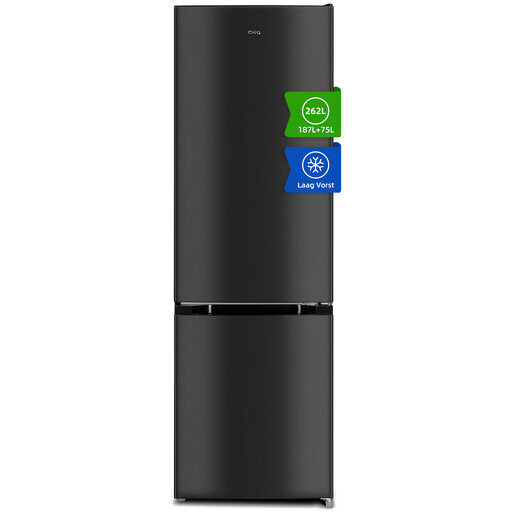
Why We Chose It This model combines an excellent C energy rating with a compact size and quiet operation. Its dark stainless steel finish provides a modern look that fits well in many kitchens. The door is reversible, offering flexibility in placement.
Pros
Who Is It For? Ideal for smaller households (1-3 people) looking for an energy-efficient and quiet fridge without a high price tag. The capacity is sufficient for weekly groceries, and the Low Frost technology minimises maintenance.
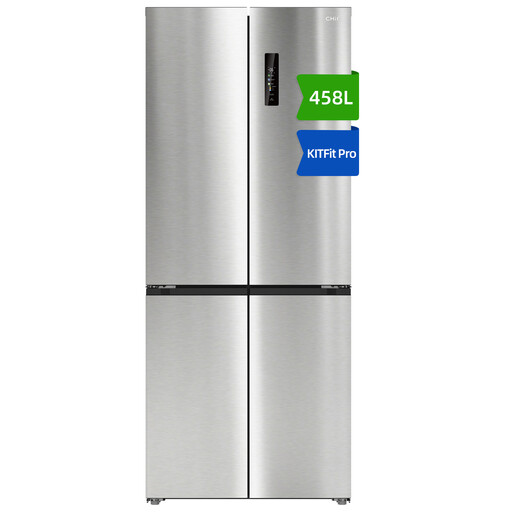
Why We Chose It This cross-door model offers enormous capacity and advanced features. The KITFit Pro technology allows the appliance to be installed flush against cabinets with only 4 mm of side clearance, creating a built-in look. Its Total No Frost technology and inverter compressor make it a low-maintenance and quiet appliance.
Pros
Who Is It For? Perfect for large families or those with a design-focused kitchen who want the aesthetic of an American-style fridge. The flexible layout and large capacity make it easy to store large quantities of food in an organised way.
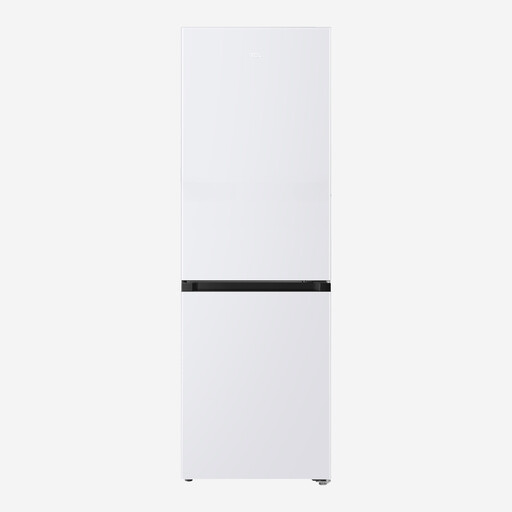
Why We Chose It This TCL fridge-freezer offers a solid balance of capacity, efficiency, and modern technology. With a D energy rating and Total No Frost, it's a practical choice for the medium term. The flexible door bins and electronic controls enhance its user-friendliness.
Pros
Who Is It For? An excellent all-rounder for the average household (3-4 people). It offers ample space, modern conveniences like No Frost, and efficient energy consumption, all wrapped in a sleek and functional design.
The selection above represents a fraction of the available models. Every household has unique needs regarding size, budget, design, and specific features. If these models don't fully meet your requirements, countless other configurations are available.
Browse our full range of household refrigerators for more choices in different sizes, brands, and price ranges.
What is the difference between No Frost and Low Frost? No Frost completely prevents ice build-up by continuously removing moist air from the freezer compartment. Manual defrosting is not necessary. Low Frost significantly reduces ice formation, but a thin layer of ice can still form over time. As a result, defrosting once a year (or less) is often still recommended.
How much noise does a quiet fridge-freezer make? A model is considered quiet at a noise level of 40 decibels (dB) or lower. Appliances with a level of 37-38 dB are very quiet and barely audible in a normal living environment. This is especially pleasant in an open-plan kitchen.
What does the energy class on a refrigerator mean? The energy class, ranging from A (most efficient) to G (least efficient), indicates how efficiently an appliance uses energy relative to its size and type. A model with a better energy class (e.g., C instead of E) consumes significantly less electricity per year, resulting in a lower energy bill.
Joybuy Product Recommendation Officer