
Vandaag of morgen in huis

Kwaliteit gegarandeerd

Welkomstaanbiedingen ontgrendelen: GRATIS bezorging | Tot 80% korting | Gratis 30 dagen JoyPlus-proefperiode
Download de app
Picking out a new fridge-freezer seems simple until you get tangled in marketing jargon, unclear specifications, and models that all look the same at first glance. This leads many people to make a choice they later regret. As a Joybuy Product Recommendation Officer, I'm here to help you cut through the noise. We'll focus on what really matters, so you can choose an appliance that fits your household and budget, without any hidden downsides.
Before we look at specific models, let's discuss the three most common pitfalls:
To make the right choice, you don't need to pore over a technical manual. Focus on the following three objective specifications. These determine 90% of whether a fridge-freezer is a good purchase.
An energy-efficient fridge is an investment that pays for itself. The new label is much stricter, which means a model with a C-label is already very efficient. An A or B label represents the top of the market.
Always check the estimated annual consumption in kilowatt-hours (kWh) on the label to make a concrete comparison.
The sound of a refrigerator is measured in decibels (dB). Because the scale is logarithmic, every 3 dB increase represents a doubling of the audible sound. For an open-plan kitchen or a house where sound travels, a quiet fridge is essential.
This is a crucial point for preventing ice build-up and maintenance.
Not everyone has the same needs. Below are some recommendations tailored to specific desires and situations.
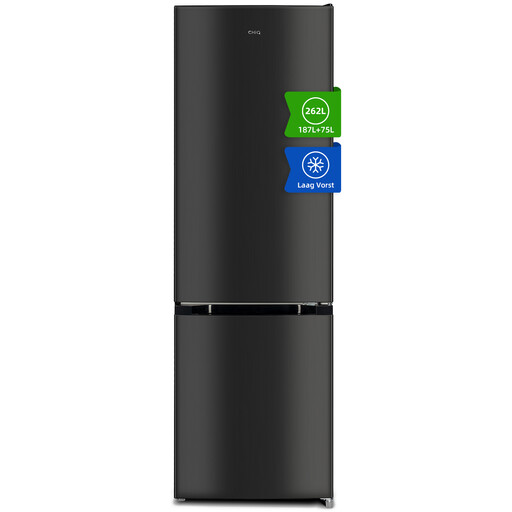
Why This Fits Their Persona: Ideal for one or two-person households looking for a reliable and affordable freestanding fridge-freezer. The 262-litre capacity is more than enough, and the dark stainless steel design has a modern look.
This model has a clear C energy label, proving that affordability and efficiency can go hand in hand. The noise level of 38 dB is a concrete specification, not a vague promise.
Excellent value for money. The Low Frost technology reduces ice build-up, which limits maintenance. The compressor comes with a 12-year warranty from the manufacturer.
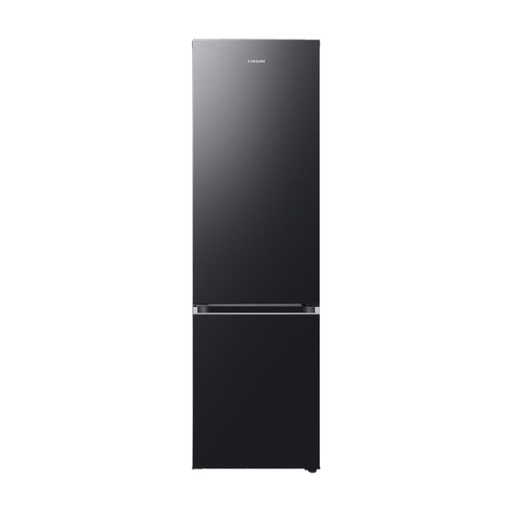
Why This Fits Their Persona: Families need space and efficiency. With a 387-litre capacity and an extremely efficient A-label, this is a model built for the long term. The SpaceMax technology provides more interior space with the same external dimensions.
The A energy label is the highest achievable class and a guarantee for a low energy bill. Samsung's No Frost+ technology completely prevents ice build-up, so you never have to defrost again.
Extremely low energy consumption (108 kWh/year). According to Samsung, the SmartThings AI Energy Mode helps to further optimise consumption. At 35 dB, it is also a very quiet fridge.
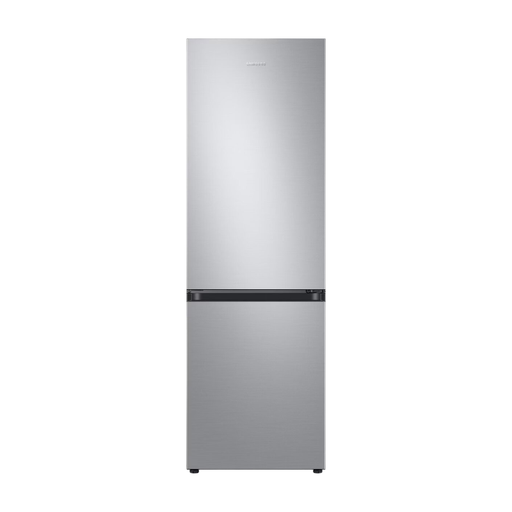
Why This Fits Their Persona: In an open-plan living space, design and a low noise level are crucial. This model combines a sleek silver design with an extremely quiet profile, allowing it to blend seamlessly into the interior.
The pitfall of a 'quiet' fridge is avoided here with a hard specification: 35 dB. That is objectively very quiet. The NoFrost technology is a guarantee against unexpected defrosting chores.
Very quiet (35 dB) and energy-efficient for its class (C-label). The SpaceMax technology provides a spacious 344-litre capacity without the appliance taking up extra room.
A fridge-freezer is an important purchase. The models above are a starting point, but there are more appliances that meet these strict selection criteria.
The average lifespan of a modern fridge-freezer is between 10 and 15 years. This depends on the brand, the quality of the components (like the compressor), and how well the appliance is maintained. Regular cleaning and ensuring proper ventilation at the back can extend its lifespan.
The difference can be significant. A model with an A-label (approx. 108 kWh/year) costs about €32 per year at an average electricity price of €0.30/kWh. An older or less efficient model with an F-label (approx. 300 kWh/year) can easily cost €90 per year. Over a 10-year lifespan, you could save hundreds of euros.
Correct. A fridge-freezer with Total No Frost technology completely prevents ice build-up in the freezer compartment. A fan circulates cold, dry air evenly and wicks away moisture. This means you never have to manually defrost the freezer again. Not only does this save you a chore, but it also ensures a more constant temperature and more efficient operation.
