
Vandaag of morgen in huis

Kwaliteit gegarandeerd

Welkomstaanbiedingen ontgrendelen: GRATIS bezorging | Tot 80% korting | Gratis 30 dagen JoyPlus-proefperiode
Download de app
As a Joybuy Product Recommendation Officer, I see daily how small household choices can make a big difference. One of those choices is selecting the right freezer bags. It might seem like a minor detail, but the wrong bag can lead to freezer burn, loss of flavour, and ultimately, food waste. Many products make grand promises but fall short in practice. Let's look at the most common pitfalls and how to avoid them.
The most common mistakes when buying freezer bags are often the result of clever marketing or unclear product information. Here are two frequent problems:
A good freezer bag is an investment in the quality and longevity of your food. By paying attention to a few key specifications, you can ensure you choose a product that gets the job done.
To ensure that storing food in the freezer is successful, there are a few technical aspects you shouldn't overlook. These aren't complicated details, but simple features that distinguish a good product from a bad one.
The most important feature of a freezer bag is its material. Look for bags explicitly made from LDPE (Low-Density Polyethylene). This material is flexible and strong, even at low temperatures. Unlike thinner plastics, it doesn't become brittle or tear easily. A thicker plastic layer forms a better barrier against air and moisture, which are the direct causes of freezer burn. A good freezer bag feels sturdy and substantial, not thin and flimsy.
The seal is crucial for an airtight closure. There are broadly two options:
Think about what you want to freeze. Do you need large freezer bags for a whole loaf of bread or large cuts of meat, or are you better off with smaller bags for individual portions of soup? A variety of different sizes is often most convenient. Additionally, reusable freezer bags are becoming increasingly popular. These are made of even thicker material and can be washed after use (sometimes even in the dishwasher), which saves both money and waste in the long run.
Based on these criteria, we have selected a number of products that suit different households and needs.
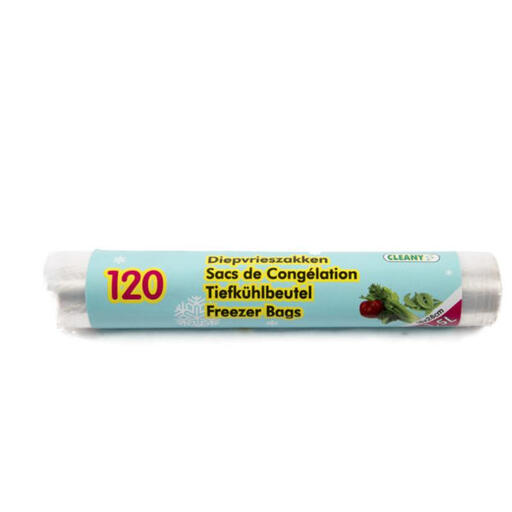
Why This Fits Their Persona: Ideal for families and meal preppers who cook in bulk and need a large supply of bags without paying a premium. The 1.5-litre capacity is practical for most meals and leftovers.
These bags are specifically designed for the freezer and made from sturdy plastic, helping you avoid the pitfall of using material that's too thin. You get a large quantity, so you'll never run out.
Large pack of 120 pieces offers excellent value. The leak-proof plastic is reliable for storing all kinds of food.
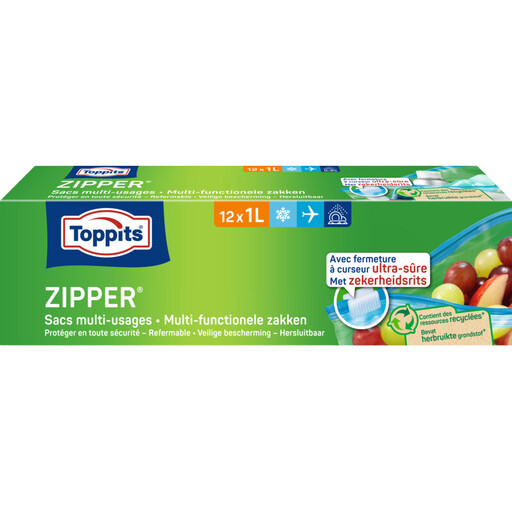
Why This Fits Their Persona: For those looking for a reliable and multifunctional solution. This user wants a bag that doesn't leak, is easy to seal, and is preferably reusable for extra convenience and less waste.
Directly tackles the pitfall of an unreliable seal. The Toppits zip is known for being 100% leak-proof. The sturdy material makes the bag stable and reusable.
Reliable zip closure, suitable for liquids like soups and sauces. The bags are reusable and dishwasher-safe.
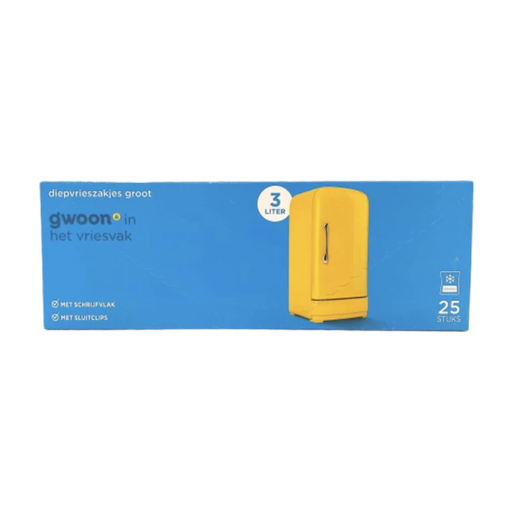
Why This Fits Their Persona: Perfect for freezing large items like a whole loaf of bread, large cuts of meat, or a big batch of soup. This user needs volume and a reliable bag that won't tear.
Solves the 'wrong size' problem by offering a specifically large format. The thick, durable plastic is designed for the freezer and prevents tearing and freezer burn.
Spacious size for bulk items. The secure zip-lock closure keeps contents fresh and prevents leaks.
We have compiled a complete, up-to-date list of products that meet these selection criteria.
Yes, many reusable freezer bags with a sturdy zip closure are designed for multiple uses. It's important to wash them thoroughly with warm, soapy water after use and let them air dry completely to prevent bacterial growth. Some premium bags are even dishwasher-safe. One key exception: for hygiene reasons, it's best to discard bags that have been used for raw meat, fish, or poultry after a single use.
The main difference is the thickness and type of plastic. Freezer bags are made from thicker, freezer-safe material (usually LDPE) that remains flexible at low temperatures. This prevents tearing and provides an effective barrier against air, which combats freezer burn. A standard sandwich bag is too thin and allows too much air to pass through, causing the quality of your frozen food to deteriorate quickly.
Freezer burn is caused by exposure to air. The key is to remove as much air as possible from the bag before sealing it. Gently press the air out and ensure the seal, especially on resealable freezer bags, is completely closed. Use a bag that fits the contents; an oversized bag contains unnecessary air. Finally, write the date on the bag so you can use older items first.
