
Same-day & Next-day Delivery

Quality Guaranteed

Unlock Your Welcome Offers: FREE Delivery | Up to 80% OFF | Free 30-day JoyPlus trial
Download the APP
Bringing a warm, homemade meal to work, school, or on a day trip sounds ideal. It saves money and is often healthier. The reality can be different: lukewarm soup, a spill in your bag, or an insulated container that smells musty after just a few uses. The market for food thermoses is full of promises, but not every product delivers.
As a Product Recommendation Officer at Joybuy, I see a lot of products come and go. I'm here to help you see through the marketing claims and focus on what really counts. Let's look at the three most common pitfalls that lead to a bad purchase.
stainless steel leak-proof label is no guarantee. A poorly designed screw thread, a thin silicone ring, or an overly complex closing mechanism can start to fail after just a few uses.food jar with an opening that's too narrow or a lid with many nooks and crannies is a breeding ground for bacteria and odours. If you can't clean the container properly, using it becomes unhygienic and unpleasant.To avoid buyer's remorse, it's better to focus on a few concrete specifications. These determine whether an insulated food container will perform well in real-world situations.
The foundation of any good thermos for a hot lunch is double-wall stainless steel with vacuum insulation. The vacuum layer between the inner and outer walls prevents heat (or cold) from escaping. Look for stainless steel grades like 18/8 or 304; these are food-grade, won't impart any flavours, and are robust. Some models have an additional copper lining on the inside for even better insulation, as mentioned in the specifications.
Tip: For optimal results, pre-heat your thermos by filling it with boiling water for 5 minutes before adding your hot meal.
The weakest link is often the lid. A reliable soup thermos has a simple, solid screw-top lid with a thick, removable silicone sealing ring. Complex click systems or pressure-release valves introduce more parts that can fail or are difficult to clean. Check that the lid is easy to screw on straight and securely.
The functionality of an insulated food container depends heavily on its design.
Based on these objective criteria, we have selected a number of products that suit different user profiles.
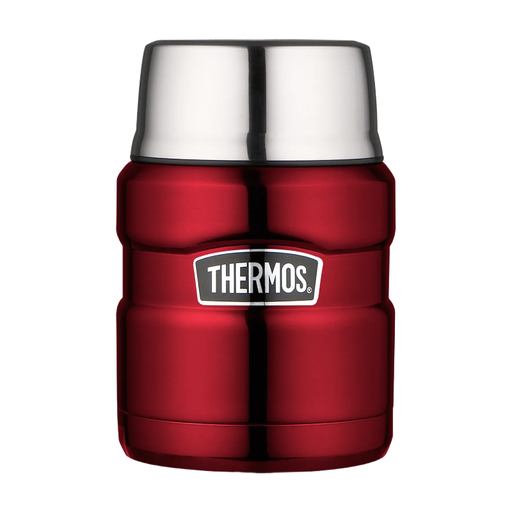
Why This Fits Their Persona: This compact 470 ml model is ideal for a single portion of soup or oatmeal. It fits easily into a backpack or laptop bag. The built-in, foldable spoon in the lid is a handy feature for those who eat on the go.
The Thermos King series is known for its reliable, simple screw-top lid that is genuinely leak-proof. The wide mouth makes cleaning easy and prevents the 'cleaning nightmare'.
Proven insulation performance from a trusted brand. Made of durable 18/8 stainless steel and comes with a convenient built-in spoon.
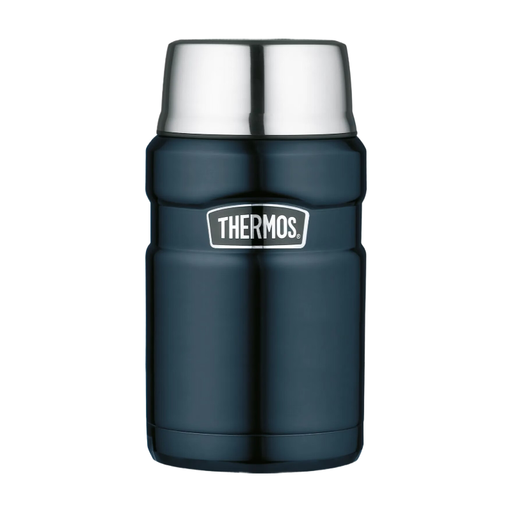
Why This Fits Their Persona: With a capacity of 710 ml, this model is large enough for a full, hot meal. Ideal for those who have a long day, work outdoors, or simply have a big appetite.
Offers realistic heat retention for a larger volume (up to 14 hours warm, according to the manufacturer), which is more practical than exaggerated claims. The robust stainless steel construction is built for durability.
Large capacity (710 ml) and a very wide mouth for easy filling and eating. Dishwasher safe (top rack) according to the manufacturer for simple maintenance.
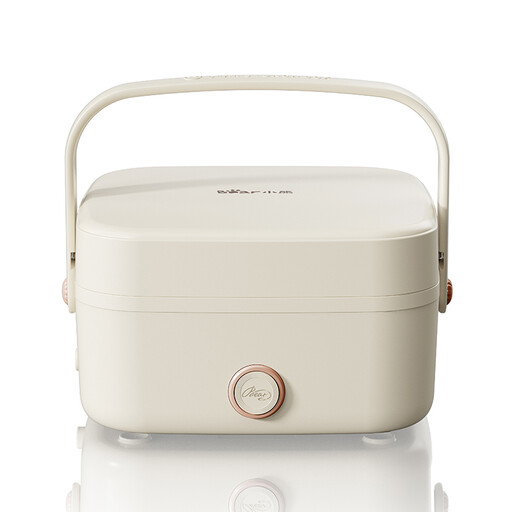
Why This Fits Their Persona: This isn't a traditional thermos, but an electric lunch box. You bring your cold meal with you and heat it up at your desk. No more dealing with a crowded office microwave. Ideal for leftovers that need to be piping hot.
Completely bypasses the problem of food cooling down. Instead of relying on insulation, this container heats your food up to 70°C (158°F). The removable inner pot with a non-stick coating solves the cleaning problem.
Heats your meal without water, right at your workspace. Guarantees a hot lunch, not a lukewarm one. The lid seals with vacuum pressure to keep the contents fresh.
We have compiled a complete, up-to-date list of products that fully meet these strict selection criteria and safety regulations.
The simplest method is pre-heating. Before adding your hot meal, fill the thermos with boiling water. Let it stand for 5 to 10 minutes with the lid on. Pour out the water and immediately fill the container with your meal. This ensures that the heat from your food isn't immediately lost to warming up the cold steel.
This varies by model. Always consult the manufacturer's instructions. Many stainless steel containers themselves can go in the top rack of the dishwasher, but the lids with their silicone rings are often better washed by hand. This extends the life of the seal and ensures it remains leak-proof.
Always screw the lid on tightly and straight. Regularly check the silicone ring in the lid for damage, cracks, or dirt, and clean it thoroughly. A simple test before you leave: fill the thermos with water, screw on the lid, and hold it upside down for a moment. This will help you avoid any nasty surprises.
