
Vandaag of morgen in huis

Kwaliteit gegarandeerd

Welkomstaanbiedingen ontgrendelen: GRATIS bezorging | Tot 80% korting | Gratis 30 dagen JoyPlus-proefperiode
Download de app
A stack of food storage containers is essential in any kitchen. Whether you're saving leftovers, taking lunch to the office, or meal prepping, the right food containers make your life much easier. But the search for a good set can be frustrating. The market is flooded with options that promise everything but don't always deliver. Before you buy another set that warps or leaks after a few weeks, here’s what you need to look out for.
Many marketing claims sound great, but in practice, a lot of products fall short. These are the two most common problems to watch out for.
1. The "Leak-Proof" Promise That Falls Short One of the biggest annoyances is a container that leaks in your bag. Many manufacturers claim their containers are leak-proof, but the weak link is often the lid. A simple plastic-on-plastic seal without a proper gasket will lose its shape after a few uses or a cycle in the dishwasher. The result? A bag full of soup or sauce. A truly leak-proof container has a lid with a silicone ring and a sturdy locking mechanism.
2. Warped and Stained After a Single Use "Microwave- and dishwasher-safe" is printed on almost every package. Yet, many plastic containers with lids end up as a warped, discolored mess of plastic. This often happens when the material is low-quality and cannot withstand the temperatures of a dishwasher or the heat from certain foods (like tomato sauce or curry) in the microwave.
To avoid a purchase you'll regret, focus on a few key features. These determine whether a food container set is worth the money.
The term BPA-free is a good start, but it doesn't tell the whole story. BPA is a chemical that was once widely used in plastics. Most modern food containers are now made from polypropylene (PP, recycling code 5). This material is generally considered safe for food contact and is naturally more heat-resistant. Check if the product complies with European food safety standards. This provides extra assurance that the material is suitable for daily use.
These three properties are crucial for the versatility of your food storage boxes:
Not everyone has the same needs. That's why we've highlighted a few options that suit different situations.
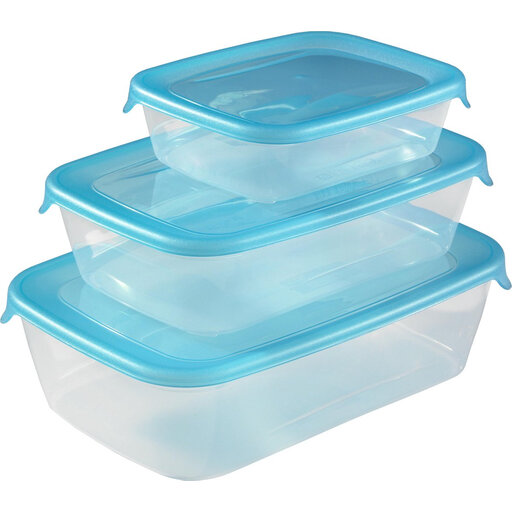
Why This Fits Their Persona: Perfect for those starting with meal prep containers who need various portion sizes. This set offers flexibility for a small snack, a lunch, or storing ingredients.
The material is designed for a temperature range of -40°C to +100°C. This reduces the risk of warping with correct use in the microwave (without the lid) and dishwasher.
Versatile set with three sizes. The containers are nestable and stackable, saving significant space in your kitchen cabinets.
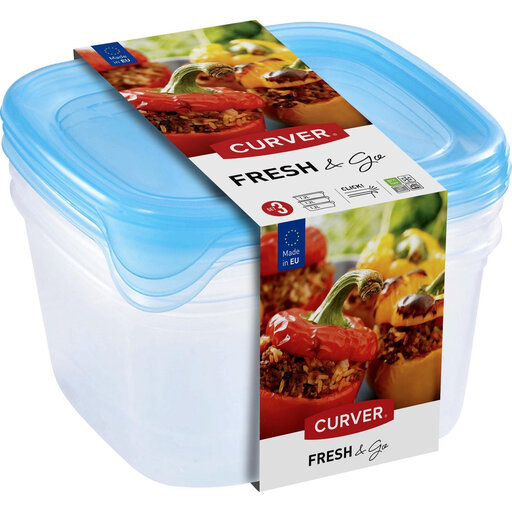
Why This Fits Their Persona: Ideal for storing dinner leftovers or preparing larger portions for the whole family. The generous capacity makes these containers highly practical.
These containers are made from sturdy, BPA-free plastic that meets European food safety standards. The click-on lids provide an airtight seal that helps maintain freshness.
Large 1.2L capacity per container. Suitable for the freezer, microwave, and dishwasher for maximum convenience in a busy household.
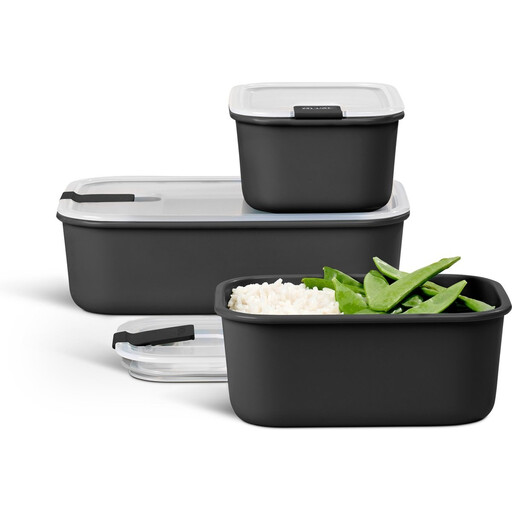
Why This Fits Their Persona: For those seeking a durable, stylish, and highly functional solution from a renowned Dutch brand. The design is not just practical but also thoughtfully engineered.
According to Mepal, the EasyClip is guaranteed leak-proof and airtight thanks to its special click-lock mechanism. The unique steam vent in the lid makes microwave heating safer and prevents the lid from creating a vacuum seal.
Lid with a steam vent for microwave use. The product is designed and manufactured in the Netherlands, which is a plus for many users.
We have compiled a complete, up-to-date list of products that fully meet these strict selection criteria and safety regulations.
The lifespan depends heavily on the quality of the material and how you use them. A high-quality set made of polypropylene (PP) can last for years with normal use. Inspect your containers regularly. Discard them if you see cracks, deep scratches, or a permanently warped lid. If a container is severely stained or retains an odor that won't wash out, it's also time for a replacement.
Not automatically. Always check the symbols on the bottom of the container or the manufacturer's specifications. Even if a container is microwave-safe, it's advisable to remove the lid or place it loosely on top. This prevents pressure buildup. Be extra cautious when heating very fatty or sugary foods at high temperatures, as this can degrade and damage the plastic.
These terms are often used interchangeably, but they don't mean the same thing. Airtight means no air can get in or out, which helps keep food fresh longer in the fridge or freezer. Leak-proof means no liquid can escape, which is essential for soups, stews, or sauces you take on the go. A container can be airtight but not completely leak-proof if held on its side. For liquids, a lid with a silicone seal and a secure locking mechanism is the safest choice.
