
Vandaag of morgen in huis

Kwaliteit gegarandeerd

Welkomstaanbiedingen ontgrendelen: GRATIS bezorging | Tot 80% korting | Gratis 30 dagen JoyPlus-proefperiode
Download de app
A leaking soup in your bag, a plastic container that permanently smells like last week's curry, or a lid that no longer fits after one dishwasher cycle. These are common frustrations. The market for food storage containers is vast, but not all are created equal. Many products overpromise and underdeliver, leading to a waste of both food and money.
As a Joybuy Product Recommendation Officer, I'll help you see through the marketing claims. This guide focuses on the practical features that truly matter, ensuring you make a choice you'll be happy with for years to come.
Before you purchase new containers, it's helpful to know their common weak spots. Watch out for these three frequent problems:
To avoid a bad purchase, it's wise to focus on a few objective specifications. These are the key factors that determine the quality and usability of food storage containers.
The material is the most critical factor for durability, hygiene, and ease of use.
A good lid is essential. Pay attention to the following two points:
Always check the product information for the following features:
Based on these criteria, we have selected a few products that suit different needs and lifestyles.
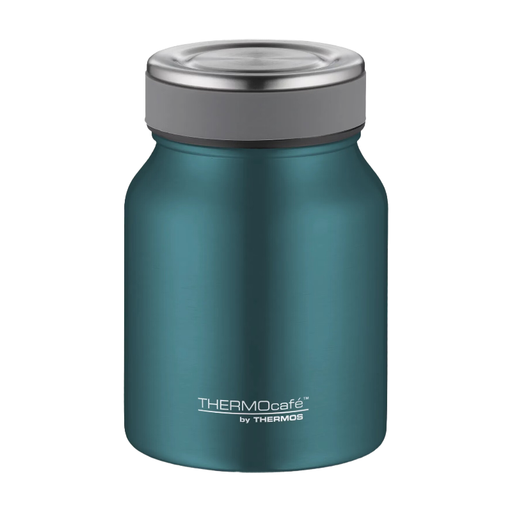
Why This Fits Their Persona: Ideal for those who want to enjoy a hot soup or meal on the go. This stainless steel food container is designed for insulation and reliability, perfect for the train or the office.
The screw-top lid with a silicone seal is designed to be 100% leak-proof, avoiding the 'leak-proof' lie pitfall. No surprises in your bag.
This is a heat-retaining food container. According to the manufacturer, the Thermax vacuum insulation technology keeps food hot for up to 9 hours and cold for 14 hours.
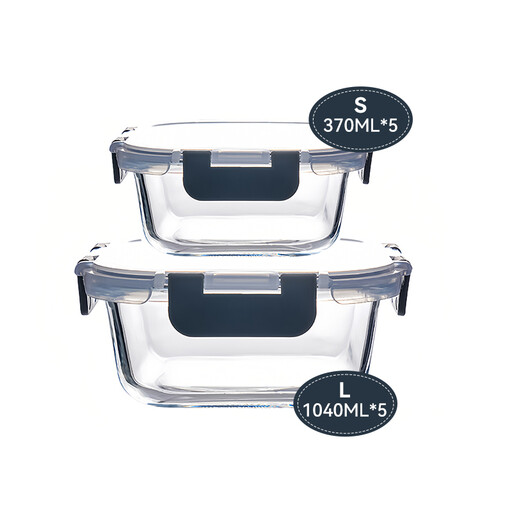
Why This Fits Their Persona: For those who love to prepare meals for the whole week. This glass food container set offers various sizes for main courses and snacks, and is suitable for the freezer, microwave, and dishwasher.
The high borosilicate glass avoids the pitfall of staining and odours. Even after storing heavily spiced dishes, the glass remains perfectly clean and fresh.
These glass food containers are versatile. They can go straight from the freezer to the microwave (without the lid). The 10-piece set provides a complete solution for meal prepping.
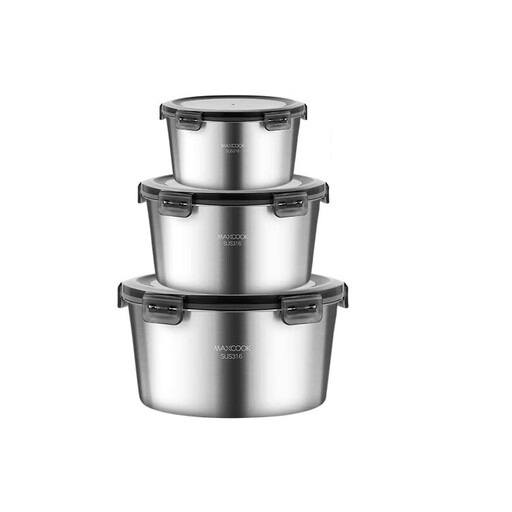
Why This Fits Their Persona: For those who invest in products that last a lifetime. This set of stainless steel food containers is a plastic-free alternative that withstands intensive daily use, from freezer to dishwasher.
Stainless steel is indestructible, avoiding the pitfall of materials that become brittle or warp. Unlike plastic, this material won't crack in the freezer or lose its shape.
Made from 316 stainless steel, a high-grade, corrosion-resistant variant known for its hygienic properties. The set is stackable for efficient storage.
We have compiled a complete, up-to-date list of products that meet these strict selection criteria and local safety regulations.
No, metal and stainless steel should never be put in a microwave. The metal surfaces can cause sparks and damage the microwave. However, stainless steel containers are excellent for storage in the fridge and freezer, and some can even be used in the oven (always check the manufacturer's specifications).
The best way to minimise staining is to rinse the container with cold water immediately after use. This prevents sauces and oils from setting into the plastic. For stubborn stains, you can try filling the container with a mixture of water and a little baking soda and letting it sit overnight.
It depends on your priorities. For hygiene, avoiding odours, and oven use, glass food containers are superior. For lightweight transport, unbreakability, and a more budget-friendly price point, high-quality, BPA-free plastic containers are a practical choice. For maximum durability and a plastic-free lifestyle, stainless steel food containers are an excellent investment.
Joybuy Product Recommendation Officer
