
Vandaag of morgen in huis

Kwaliteit gegarandeerd

Welkomstaanbiedingen ontgrendelen: GRATIS bezorging | Tot 80% korting | Gratis 30 dagen JoyPlus-proefperiode
Download de app
A good set of food storage containers can make a world of difference. Less food waste, an organised fridge, and easy meals on the go. But the search often leads to frustration: lids that don't fit, containers that leak in your bag, or plastic that's permanently stained orange after a single use with pasta sauce.
Before you invest in new storage containers for your kitchen, it's wise to know the common pitfalls. Many products overpromise and underdeliver. Here are the points where things often go wrong.
To avoid buyer's remorse, it's best to base your choice on a few objective specifications rather than marketing claims.
The material largely determines what you can use the container for.
These two terms are often confused, but the difference is crucial.
Not everyone needs the same type of container. Here are a few options tailored to specific situations.
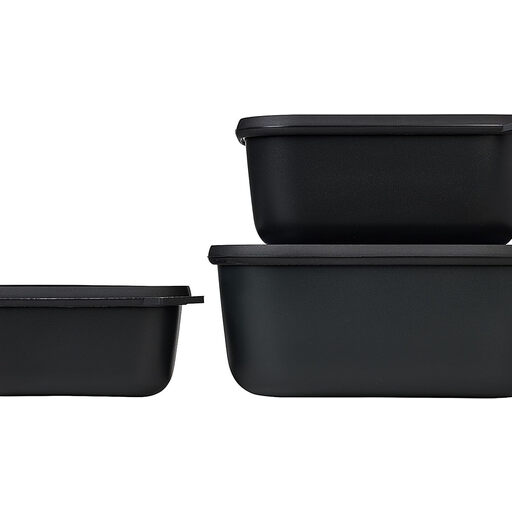
Why This Fits Their Persona: This set is an all-rounder for anyone who prepares meals for the entire week. The different sizes are ideal for salads, main courses, and snacks. You can store, freeze, microwave, and serve food directly from the bowl.
According to Mepal, the Cirqula is leak-proof, allowing you to safely transport meals with sauces or dressings. The material is microwave-safe (without the lid) and designed to resist staining.
Multifunctional: suitable for the freezer, microwave, and dishwasher. The containers are nestable, which saves cabinet space.
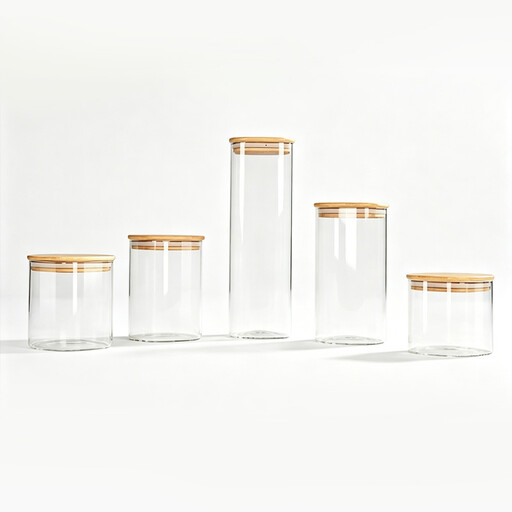
Why This Fits Their Persona: For those who dream of a tidy, Pinterest-worthy pantry. These glass storage jars are perfect for storing dry goods like pasta, rice, sugar, and grains, while also looking sleek on the shelf.
This set is designed for a uniform look and efficient use of space, which prevents the "awkward stacking" annoyance. The airtight seal is specifically intended to keep dry food fresh for longer.
Made of glass, so they are hygienic and won't retain odours. The set includes five different sizes for various types of contents.
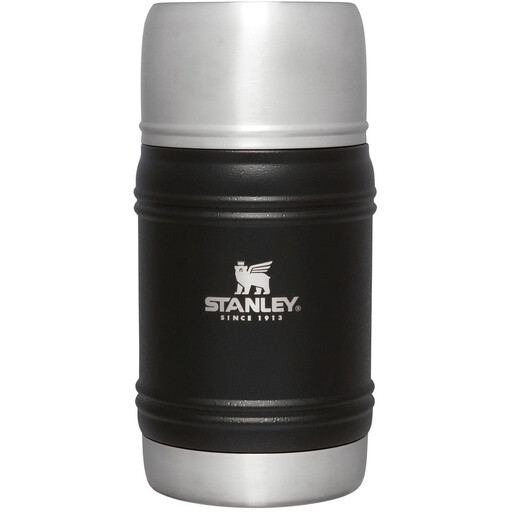
Why This Fits Their Persona: Ideal for anyone who likes to take a hot meal to work, school, or on a hike. This insulated stainless steel jar is specially made for soups, stews, or oatmeal.
This product is designed to be completely leak-proof, thus avoiding the "airtight isn't leak-proof" pitfall. The double-wall vacuum insulation ensures the contents stay hot, unlike standard containers.
According to Stanley, the jar keeps food hot for up to 13 hours. The insulated lid can also be used as a bowl. Made from robust stainless steel.
An organised kitchen starts with the right storage solutions. Browse our full range to find the perfect match for your household.
There's no single answer; it depends on your use case.
Tomato sauce and curries can leave stubborn stains. A simple tip is to rinse the container with cold water immediately after use, before washing it with hot water and soap. Cold water helps prevent the pigments from setting into the plastic, which can happen when hot water is used first.
BPA (Bisphenol A) is a chemical used in some types of plastic. There are concerns about its potential health effects when it leaches from the plastic into food, especially when heated. A BPA-free product is made without this chemical, making it a safer choice for storing and reheating food.
