A leaky lunchbox in your bag or a plastic container that warps in the microwave—these are common frustrations. The right food storage containers make storing leftovers, preparing meals (meal prepping), and packing lunches significantly easier. But with an overwhelming number of choices in material, shape, and closure, it can be difficult to determine which set or container meets your needs. This guide will help you make an informed decision based on factual product features.
What to Look for When Buying Food Storage Containers?
Before making a purchase, it's helpful to consider the key features of food storage containers. Your choice will depend on how you plan to use them: for freezing soup, reheating a meal in the oven, or taking a salad on the go.
Material Choice: Glass vs. Plastic
The choice between glass and plastic is the most fundamental one. Both materials have distinct advantages and disadvantages.
- Glass food storage containers: Often made from borosilicate glass, a type of glass that is highly resistant to thermal shock. This makes the material suitable for use in the freezer, microwave, and often the oven as well. Glass is non-porous, meaning it won't absorb food odours, flavours, or stains. It is hygienic and easy to clean. The downside is that glass is heavier and more fragile than plastic.
- Plastic food storage containers: Lightweight, typically more affordable, and less fragile. Ideal for on-the-go use or for storing large quantities. A crucial point of attention is whether the plastic is BPA-free. Bisphenol A (BPA) is a chemical used in some plastics that is best avoided in contact with food. Modern plastic food containers are often made from polypropylene, a strong and safe material. Disadvantages can include that plastic may discolour or retain odours over time.
Functionality and Features
Besides the material, other specifications determine usability.
- Closure: An airtight and leak-proof lid is essential, especially for a lunchbox. Systems with a silicone seal and four-sided locking clips typically offer the best seal.
- Temperature Resistance: Always check the manufacturer's specifications. Not every container is microwave-safe, freezer-safe, or oven-safe. Pay attention to the indicated temperature limits. The lids are almost never oven-safe and should often be placed loosely on the container or removed before heating in the microwave.
- Size and Sets: A food storage container set is practical for meal prep containers, as it provides you with uniform, stackable containers. For storing varying leftovers, a mix of individual sizes might be more convenient.
Our Top Food Storage Container Picks for 2026
Based on the criteria above, we have selected products with clear and functional features.
Alpina Glass Food Storage Container - 620mL
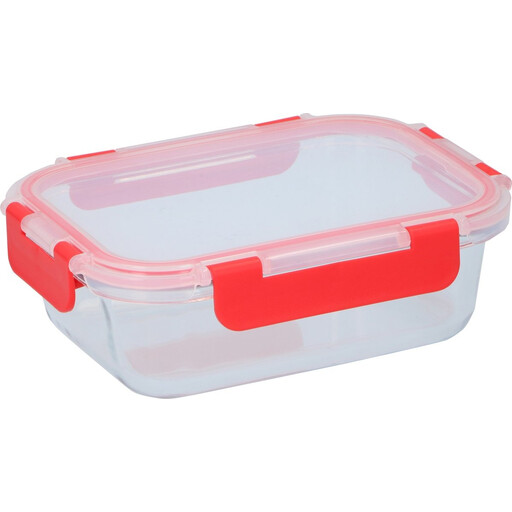
- Why we chose this product: This container is made from borosilicate glass, which makes it extremely versatile. You can freeze a dish, thaw it in the microwave, and then heat it in the oven, all in the same container.
- Advantages:
- Material: Borosilicate glass and a polypropylene lid.
- Temperature Resistance: The glass dish is oven-safe up to 400°C and also freezer-safe and microwave-safe (without the lid).
- Safety: The product is BPA-free.
- Closure: The lid has a four-sided locking clip system for an airtight result.
- Maintenance: The glass container is dishwasher-safe.
- Who is this for: For individuals seeking a durable and hygienic solution for storing and reheating individual meals. Ideal if you prefer glass over plastic and want the option to prepare or heat dishes in the oven.
Curver Fresh & Go Food Storage Container Set - 3 Pieces
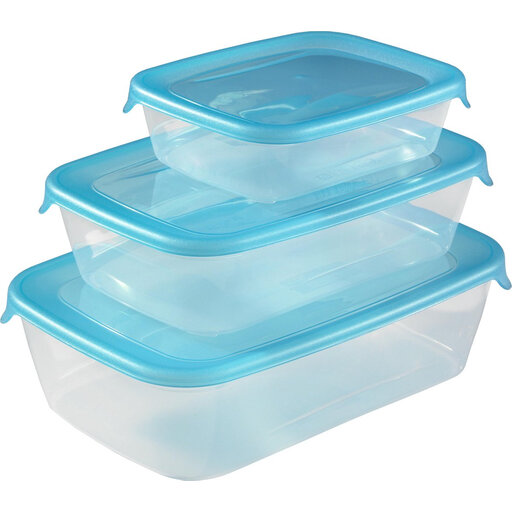
- Why we chose this product: This set from Curver offers a practical and space-saving solution with three different sizes. The containers are nestable, meaning they fit inside each other and take up little storage space.
- Advantages:
- Material: High-quality, BPA-free plastic.
- Contents: A set of 3 pieces with sizes 0.5L, 1L, and 2L.
- Temperature Resistance: Suitable for a temperature range of -40°C to +100°C, making it freezer-safe and microwave-safe (remove lid).
- Ease of Use: The lids have tabs for easy opening. The set is stackable and nestable.
- Maintenance: The entire set is dishwasher-safe.
- Who is this for: For students, starters, or small households looking for a reliable basic set of food storage containers for daily use, such as storing leftovers or packing a simple lunch.
Alpina Food Storage Container Set - 13 Pieces
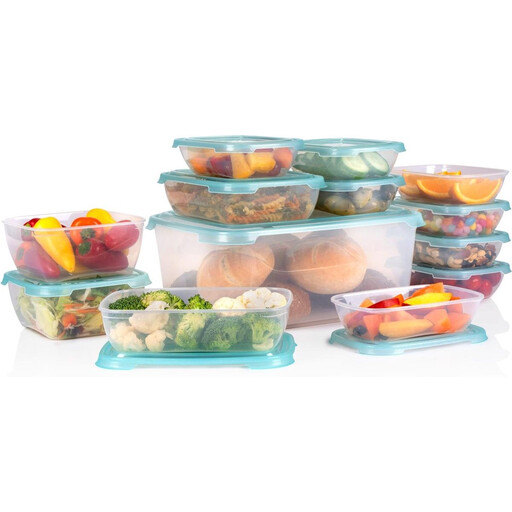
- Why we chose this product: This comprehensive food storage container set is designed for those who want to get serious about organisation and meal preparation. With 13 containers in four different sizes, you'll have a suitable container for every situation.
- Advantages:
- Material: BPA-free plastic.
- Contents: A complete set of 13 pieces, including 8x 500ml, 2x 1000ml, 2x 1150ml, and 1x 6800ml.
- Functionality: Suitable as meal prep containers and for general storage.
- Temperature Resistance: The containers are microwave-safe and freezer-safe.
- Maintenance: The entire set is dishwasher-safe.
- Who is this for: For families, avid meal preppers, and anyone who aims for an organised fridge and freezer. The variety in sizes makes this set highly versatile for storing soups, salads, main courses, and snacks.
Looking for Something Specific?
The food storage containers mentioned above are focused on storing prepared meals and leftovers. Do you have specific storage needs, for example, for large quantities of dry goods like rice, flour, or pasta? In that case, a specialised storage container might be a better solution. These are often designed for efficient stacking and feature a convenient pouring spout.
Check out our range of Rice Storage Container for solutions designed for long-term freshness of dry goods.
Frequently Asked Questions about Food Storage Containers
1. What does BPA-free mean and why is it important? BPA-free means the product is made without the chemical Bisphenol A. This substance has been linked to potential health risks upon exposure through food. Choosing BPA-free food storage containers is a precautionary measure to ensure no unwanted substances leach into your food, especially during heating.
2. Can all food storage containers go in the microwave? No, not all containers are microwave-safe. Always check the symbols on the bottom of the product or the manufacturer's specifications. Glass containers made of borosilicate glass are generally safe, as are many modern plastic containers made of polypropylene (PP, often indicated with a '5' in the recycling symbol). Always remove the lid or place it loosely on the container to prevent pressure build-up.
3. How do I prevent odours and stains in plastic containers? To minimise staining from foods like tomato sauce or curry, you can rinse the container with cold water immediately after use before washing it with hot water and soap. Stubborn odours can sometimes be removed by filling the container with a mixture of water and a little baking soda and letting it sit overnight.
Written by the Joybuy Product Recommendation Officer
Our recommendations are based on an objective analysis of product parameters and specifications, designed to help you make an informed choice.