
Vandaag of morgen in huis

Kwaliteit gegarandeerd

Welkomstaanbiedingen ontgrendelen: GRATIS bezorging | Tot 80% korting | Gratis 30 dagen JoyPlus-proefperiode
Download de app
Taking a hot meal to work, school, or on a day trip sounds ideal. But the reality is often a lukewarm soup or, even worse, a bag full of leaked curry. A good food jar, also known as an insulated food container, can prevent this. However, the market is flooded with models that make lofty promises. Before you invest in a new insulated container for your lunch, it's wise to know what to look for. Many food jars look the same at first glance, but the differences in performance are significant.
Here are the most common pitfalls consumers fall into:
To avoid a bad purchase, it's important to look beyond the marketing. Focus on the objective specifications that determine whether a food container for on-the-go does its job well.
The foundation of any good food jar is double-wall vacuum insulation. This means the container has an inner and an outer wall, with a vacuum in between. Because there is virtually no air, heat (or cold) has difficulty escaping.
A stainless steel food jar is the standard, and for good reason. It's durable, hygienic, and doesn't impart flavours. Pay attention to the quality of the steel. 18/8 S/S (also known as type 304) is the most common food-grade quality and is fine for most applications. For those who often carry acidic foods like tomato soup, 316 S/S may be a better choice, as it is even more resistant to corrosion.
The lid is just as important. A reliable, leak-proof thermos has a screw-on lid with a thick silicone sealing ring. This ring creates an airtight seal that can handle pressure and won't deform.
A practical insulated food container should be easy to fill, eat from, and clean. A wide mouth is essential here. It not only makes it easier to scoop soup or pasta into it but also to eat directly from it and to clean the inside thoroughly. Always check the manufacturer's maintenance instructions as well. Some models are dishwasher-safe, which significantly simplifies cleaning, while others must be hand-washed to protect the vacuum seal.
Based on these objective criteria, we have selected a number of models that suit different user profiles.
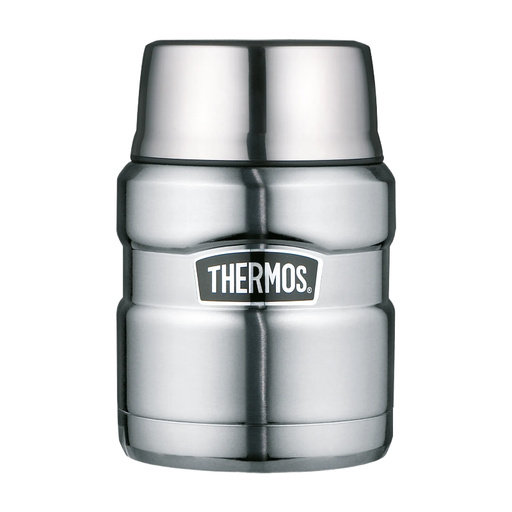
Why This Fits Their Persona: Ideal for those who take a daily portion of soup, pasta, or yoghurt. The compact 470 ml size fits easily in a bag, and the included spoon makes it a complete on-the-go solution.
The screw-on lid with an integrated seal is designed for reliability and prevents the leaks often seen with more complex closures.
Made from durable 18/8 stainless steel. Includes a handy, foldable spoon that fits inside the lid.
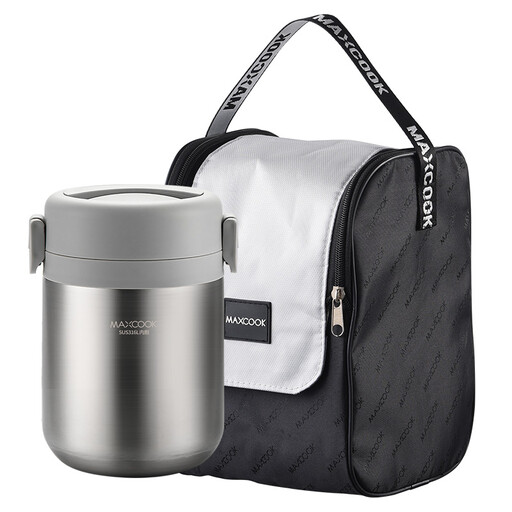
Why This Fits Their Persona: With a 1.5-litre capacity, this model is perfect for big eaters, carrying a meal for two, or for a long day outdoors. The included bag makes transport easy.
Made from 316 stainless steel, which is superior in corrosion resistance. This prevents the container from retaining odours or being affected by acidic ingredients.
Very large capacity and high-quality material for intensive use. The set comes with an insulated carrying bag.
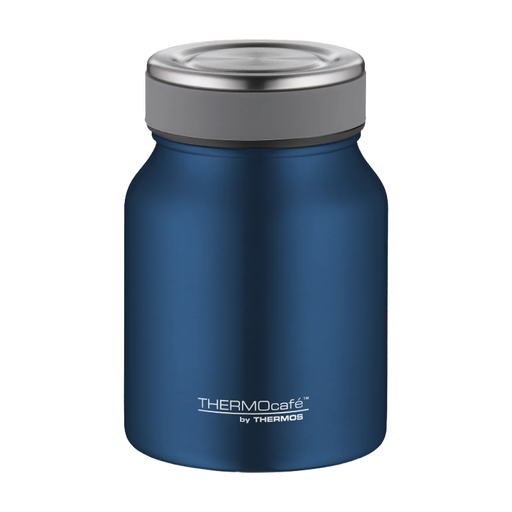
Why This Fits Their Persona: For those who prioritise convenience. This model combines a practical 500 ml size with a stylish finish and, most importantly, the convenience of being dishwasher-safe.
Because this model is fully dishwasher-safe, the risk of damage from improper cleaning is minimised and hygiene is guaranteed.
According to the manufacturer, it keeps food hot for up to 9 hours and is fully dishwasher-safe for maximum maintenance convenience.
We have compiled a complete, up-to-date list of products that fully meet these strict selection criteria and UK safety regulations.
The effectiveness of the insulation heavily depends on how you use the container. For the best results, first fill the food jar for 5 to 10 minutes with boiling water (for hot meals) or ice-cold water (for cold meals). Empty the container and then immediately fill it with your food. Also, make sure to fill the container as much as possible, as more air means faster temperature loss.
This varies by model. Some food jars, especially lids with complex mechanisms, can be damaged by the high temperatures and powerful water jets of a dishwasher. This can compromise the vacuum seal. Other models are specifically designed to be dishwasher-safe. Always check the manufacturer's instructions. When in doubt, hand washing with warm water and a soft sponge is the safest method.
A good seal is crucial. Regularly check that the silicone ring in the lid is clean and properly seated. Tighten the lid firmly, but do not overtighten it. Also, do not overfill the container; leave about a centimetre of space at the top. This provides some room for the pressure that can build up from hot contents.
