
Vandaag of morgen in huis

Kwaliteit gegarandeerd

Welkomstaanbiedingen ontgrendelen: GRATIS bezorging | Tot 80% korting | Gratis 30 dagen JoyPlus-proefperiode
Download de app
Bringing a warm, homemade meal to work, school, or on a day trip sounds ideal. Unfortunately, the search for the perfect food flask often ends in disappointment: lukewarm soup, a leaky bag, or a container that smells musty after just a few uses. The market is flooded with promises that often don't hold up in reality.
As a Product Recommendation Officer at Joybuy, I see the daily frustrations consumers face. Before you buy a thermos for food, it's crucial to recognise the common pitfalls. This will help you avoid a poor purchase and ensure you can genuinely enjoy a hot meal on the go.
The 3 pitfalls of choosing an insulated food container:
To avoid these problems, it's smart to focus on a few concrete, verifiable features. These are the specifications that make the difference between a good investment and money down the drain.
The foundation of any good food flask is double-wall vacuum insulation. The air between the inner and outer walls is removed, creating a vacuum that prevents heat (or cold) from escaping. The container's material is crucial here. Always opt for a stainless steel food container, preferably made from food-grade 304 (18/8) or 316 stainless steel. These materials are durable, do not transfer flavours, and are resistant to rust and dents.
Tip: Preheat your flask with boiling water for 5-10 minutes before adding your meal. This simple trick can significantly extend its heat retention.
A leak-proof soup flask depends entirely on the quality of its lid. Pay attention to the following:
The functionality of a lunch box for keeping food warm is defined by its design. A wide mouth is essential. It not only simplifies filling and cleaning but also allows you to eat directly from the container. Also, consider the capacity you need:
Based on these objective criteria, we have selected several popular choices that suit different users.
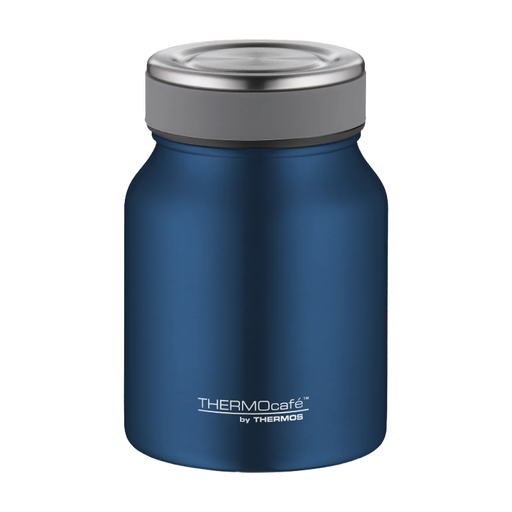
Why it's a match: The compact 500 ml size is perfect for a lunch portion of soup or pasta. It's ideal for a work bag without taking up too much space. Its reliability is crucial for those who depend on their container daily.
Tackles the "leak-proof" pitfall. According to the manufacturer, this model is 100% leak-proof thanks to a sturdy screw-on lid and a high-quality silicone sealing ring, designed for worry-free transport.
According to Thermos, the container keeps food hot for up to 9 hours. Additionally, this model is dishwasher-safe, which makes daily maintenance very easy.
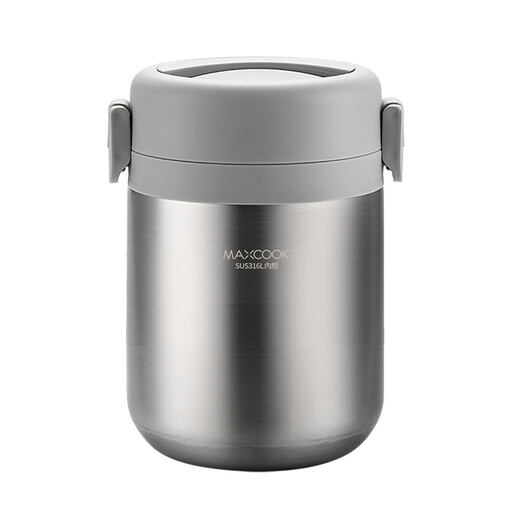
Why it's a match: With a 1.5-litre capacity, this container is perfect for a large portion, bringing a meal for two, or for construction workers and field staff who need a substantial lunch.
Counters the "exaggerated claims" pitfall. The manufacturer provides a realistic heat retention time of 4-6 hours. This is an honest estimate for a lunch break and prevents disappointment.
The extra-wide mouth makes filling, eating, and cleaning very easy, which bypasses the "hard to clean" pitfall. Made from 316 stainless steel, a material known for its superior corrosion resistance.
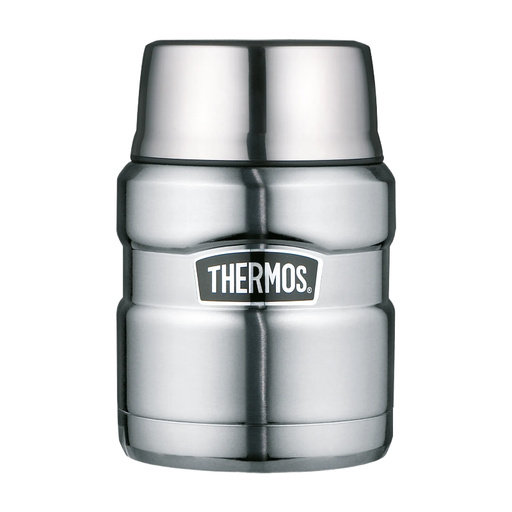
Why it's a match: Hikers and campers need a robust, reliable, and compact container. This model is designed for durability and fits easily into a backpack for a warm meal after a long trek.
Its simple yet effective screw-on lid with an integrated seal is engineered for reliability, minimising the risk of leaks during a bumpy hike.
Comes with a handy, built-in spoon. This is a major practical advantage on the go, as you don't need to carry separate cutlery. The 18/8 stainless steel construction is dent- and shatter-proof.
We have compiled a complete, up-to-date list of products that fully meet these strict selection criteria and current regulations.
The effectiveness of the insulation heavily depends on how you use it. For optimal results, first fill the container with boiling water. Let it stand for 5 to 10 minutes with the lid on. Pour out the water and immediately fill the flask with your hot meal. Also, ensure the container is as full as possible; less air means less heat loss.
This varies by model. Some stainless steel food containers are dishwasher-safe, but hand washing is recommended for many models. The high temperatures and harsh detergents in a dishwasher can degrade the vacuum seal or the external coating over time. Always check the manufacturer's instructions. When in doubt, washing by hand is the safest choice.
The key is to clean the container with warm water and soap immediately after use. Do not leave any food residue behind. For stubborn odours (like from curry or garlic), you can fill the container with a mixture of warm water and a tablespoon of baking soda. Let it sit overnight and then rinse it thoroughly.
