
Vandaag of morgen in huis

Kwaliteit gegarandeerd

Welkomstaanbiedingen ontgrendelen: GRATIS bezorging | Tot 80% korting | Gratis 30 dagen JoyPlus-proefperiode
Download de app
A leaky lunchbox in your bag or a storage container that’s permanently stained orange after one use with pasta sauce. These are minor annoyances, but they make storing and transporting food unnecessarily difficult. The market for food containers is vast, and many products overpromise and underdeliver. Before you invest in a new set, it’s wise to know where the pitfalls lie.
Common problems include lids that no longer seal properly after a few washes, or the "leak-proof" claim that only holds true if the container is kept perfectly upright. Another issue is the "microwave-safe" label, which often just means the plastic won’t melt, but can still warp or absorb odors and stains.
You don’t need to be a materials scientist to make a smart choice. Just pay attention to a few practical specifications that make the difference between a useful product and a source of frustration.
The choice of material determines the durability, ease of use, and hygiene of your food containers.
A "leak-proof" container is useless if the seal is weak. The most reliable systems feature a lid with a silicone gasket and four-sided locking clips. This combination creates an airtight and watertight seal, allowing you to safely transport soup or yogurt in your bag. Simple snap-on lids without a separate gasket are often only suitable for solid foods.
Always check the manufacturer's specific instructions.
Based on these criteria, we have selected several products that cater to different needs.
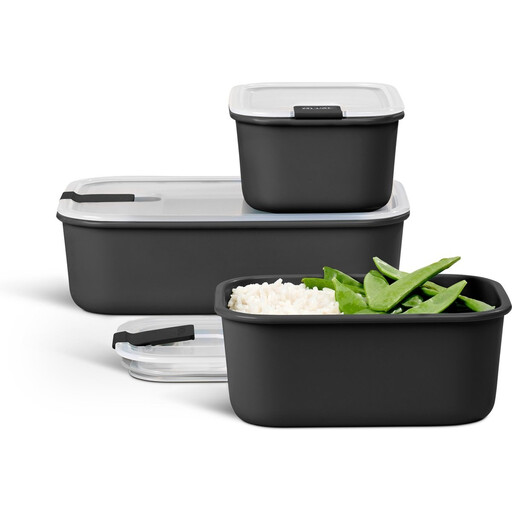
Why This Fits Their Persona: This set is designed for those who plan their meals in advance. The different sizes are practical for main courses and side dishes. The containers are freezer, microwave, and dishwasher safe, which simplifies the entire process from prep to cleanup.
The EasyClip system is leak-proof and airtight with a single click. This avoids the pitfall of a "nearly leak-proof" lid. The unique steam vent in the lid makes microwave reheating safe and easy, without having to remove the lid.
Leak-proof, airtight, and odor-proof. The lid is transparent, so you can see the contents at a glance. Made in the Netherlands and BPA-free.
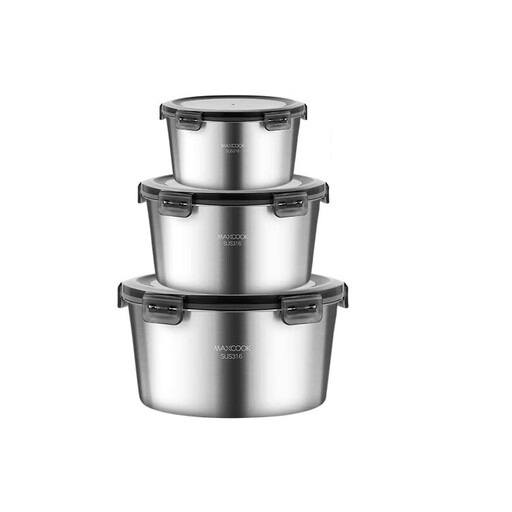
Why This Fits Their Persona: For those who want to avoid plastic and invest in long-lasting products. This stainless steel set is robust, hygienic, and versatile for storing leftovers, packing a lunch, or organizing the pantry.
These containers completely solve the problem of staining and odors. Stainless steel is inert and does not react with food. They won't warp from heat (in the dishwasher) or cold (in the freezer), unlike cheap plastic alternatives.
Made from 316 stainless steel, which has higher corrosion resistance than standard 304 SS. The set is freezer and dishwasher safe.
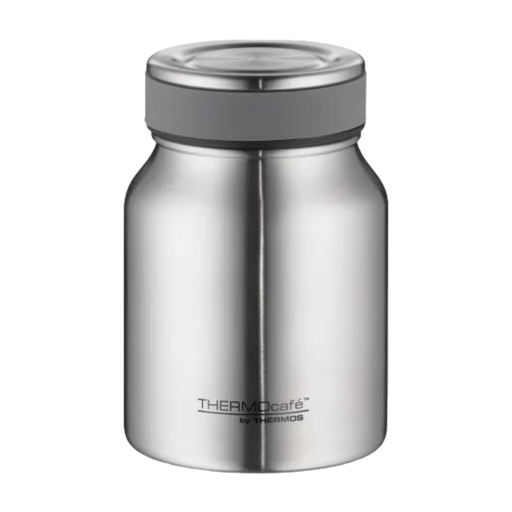
Why This Fits Their Persona: Ideal for anyone who wants to enjoy a hot meal on the go, like soup, stew, or pasta. This thermos food jar is specifically designed to keep food at temperature for hours, without needing access to a microwave.
This isn't a standard lunch box, but a specialized insulated food jar. It solves the problem of a cold lunch, something general-purpose containers aren't designed for. The screw-top lid with a silicone gasket is designed for liquids and is 100% leak-proof.
According to the manufacturer, Thermos vacuum insulation technology keeps food hot for up to 9 hours or cold for up to 14 hours. The stainless steel body is shock-resistant and durable.
A good food container must meet strict standards. We've curated a complete list of products that fit various needs and meet our selection criteria.
Yes, most stainless steel food containers are dishwasher-safe. Stainless steel can withstand the high temperatures and harsh detergents used in dishwashers. However, it is advisable to place lids with silicone gaskets on the top rack to maximize the lifespan of the seal.
Staining from foods like tomato sauce or curry is a common issue with plastic containers. To minimize this, rinse the container with cold water immediately after use before washing it with hot, soapy water. Spraying a thin layer of cooking spray on the inside before adding food can also help create a barrier. To avoid the problem entirely, opt for a stainless steel or glass container.
Both are food-grade types of stainless steel. 304 SS is the most common and is excellent for general use. 316 SS contains an additional element (molybdenum), which makes it even more resistant to corrosion from acids and salts. For most household applications, 304 SS is sufficient, but if you frequently store acidic or salty foods, 316 SS offers superior long-term durability.
